
Himalayan salt lamps continue to appear in many modern living spaces thanks to their soothing pinkish-orange light and relaxing decorative style. This popularity has fueled a need to understand how to use the product safely.
In household settings, factors such as electrical components, heat, humidity, and the potential for pets to come into contact with the salt all deserve attention. Regularly inspecting the device and choosing a suitable location helps control potential risks.
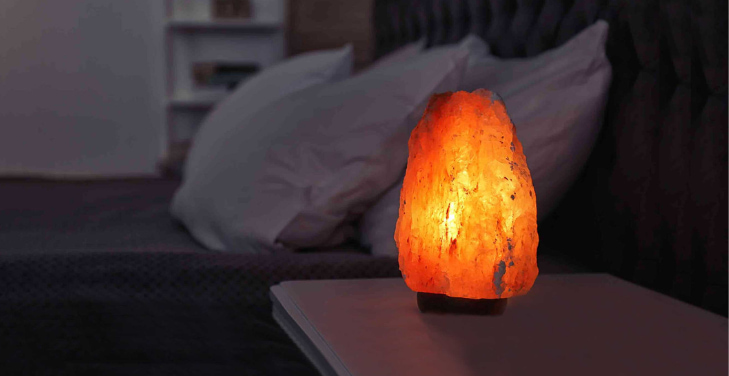
Himalayan salt lamps can pose electrical, moisture, and pet safety risks when used improperly.
What Are Himalayan Salt Lamps?
Himalayan salt lamps are decorative products that create warm light from a block of natural salt, usually hollowed out and placed with a light bulb or electric light source in the center. People commonly place them in bedrooms, living rooms, offices, or relaxation spaces.
Natural Salt Structure
Himalayan salt contains primarily sodium chloride along with small amounts of minerals and compounds that create its characteristic colors ranging from pinkish-white to reddish-orange. The salt's surface is hygroscopic, so the lamp can absorb moisture in humid environments.
How Himalayan Salt Lamps Work
The light bulb inside generates heat and light that shines through the salt block, providing a soft, warm light suitable for decorative purposes. The bulb's heat also promotes evaporation of the moisture the salt absorbs.
Common Household Uses
Many families use salt lamps to create a relaxing atmosphere or enhance their rooms' aesthetics. Safe use depends on the quality of the electrical components, the lamp's placement, ambient humidity, and proper storage.
Are Himalayan Salt Lamps Dangerous?
Himalayan salt lamps can pose some risks in the home, especially when placed in damp areas, using low-quality electrical components, or accessible to pets. Risk depends on the design, the device's condition, and the environment in which it is used.
Electrical and Fire Risks
Damaged wiring, loose plugs, overheating bulbs, or low-quality controllers can increase the risk of short circuits and fires. Users should regularly check wiring, lamp holders, and power sources, and disconnect power at the first sign of malfunction.
Moisture and Surface Damage
Salt absorbs moisture from the air, especially in high-humidity environments. Accumulated water can seep down the surface where the lamp is placed, causing dampness, corrosion, or damage to furniture.
Pet Safety Concerns
Dogs and cats may lick the lamp's surface when salt builds up on the outside. Excessive sodium intake can cause health problems, so pet owners should place the lamp out of reach.
Electrical and Fire Hazards of Salt Lamps
Himalayan salt lamps use electricity and generate heat during operation, so component quality and equipment condition are crucial for home safety. A degraded electrical system can create abnormal heat, sparks, or fire hazards.
Faulty Wiring and Damaged Cords
Cracked wires, loose plugs, deformed lamp holders, or insecure connections can increase resistance and generate heat. Users should inspect the wires regularly, especially in areas that are frequently bent or stressed.
Overheating and Fire Risks
The light bulb generates heat during use, while the salt block retains heat around the light source. Higher temperatures, flammable surfaces, or bulbs exceeding the recommended wattage can increase fire risk.
Warning Signs
A burning smell, buzzing sound, sparks, unusually hot plugs, flickering lights, or discolored wires are all warning signs. Unplug appliances immediately if you notice these signs, and replace the faulty component.
Can Himalayan Salt Lamps Cause Water or Moisture Damage?
Himalayan salt lamps can absorb moisture during use, especially when placed in high-humidity areas. Salt's hygroscopic properties can cause condensation on the lamp's surface, creating conditions for moisture leakage and damage to nearby items.
Salt and Moisture Absorption
Natural salt absorbs moisture from the environment through the process of moisture absorption. Enclosed rooms, tropical climates, the rainy season, or locations near bathrooms can cause moisture to accumulate more quickly, making the lamp's surface wet and sticky.
Surface and Furniture Damage
Saltwater runoff can leave damp streaks, corrode metal, and alter the surface of wood, stone, or other sensitive materials. A waterproof tray or protective base helps limit direct liquid contact with furniture.
Safe Placement in Humid Areas
Place the lamp on a dry, stable, heat-resistant surface. Keeping lights away from windows, sinks, bathrooms, and steam-prone areas helps reduce moisture buildup and protect the surrounding space.
Are Himalayan Salt Lamps Dangerous for Pets?
Himalayan salt lamps can pose a significant health risk to dogs, cats, and other pets that habitually lick or chew household items. Salt crystals can accumulate on the lamp's surface, exposing pets to high levels of sodium through frequent licking.
Salt Toxicity in Dogs and Cats
Dogs and cats need a suitable amount of sodium for their physiological needs, while excessive salt intake can increase blood sodium levels. This can lead to excessive thirst, vomiting, diarrhea, muscle tremors, disorientation, and seizures in severe cases.
Licking and Chewing Risks
The salty scent on the lamp's surface can attract curious pets. Animals that like to explore with their mouths may repeatedly lick or chew the salt, thereby increasing sodium consumption.
Safer Placement
Pet owners should place the lamp on a high shelf, a sturdy table, or an area inaccessible to pets. Regular surface inspections also help you detect salt and moisture buildup.
Do Himalayan Salt Lamps Release Harmful Substances?
Himalayan salt lamps contain natural salt along with small amounts of minerals and trace elements. This composition makes the salt source, manufacturing process, and use conditions important factors when assessing product safety.
Natural Minerals and Impurities
Salt can contain natural minerals in varying amounts depending on the source. Some products may also contain impurities from the raw materials or processing. Reputable manufacturers usually control raw materials and clearly disclose product information.
Product Quality and Electrical Components
Safety also depends on the wiring, lamp holder, switch, and accompanying light bulb. Components that meet appropriate electrical standards reduce the risk of overheating, short circuits, and fires during use.
Choosing Safer Products
Consumers should prioritize products with transparent origins, complete usage instructions, and appropriate electrical safety certifications for the market. Regularly inspect the salt block and electrical components to maintain safe operating conditions.
Can Salt Lamps Affect Air Quality or Respiratory Health?
Himalayan salt lamps are often used in relaxing spaces with the expectation that they support air quality and respiratory health. These effects largely stem from claims about negative ions, humidity, and the ability to trap certain airborne particles.
Negative Ion Claims
Some people believe the lamp's heat promotes the release of negative ions from the salt mass, creating a more pleasant air environment. Current scientific evidence has not established a clear effectiveness of salt lamps in purifying the air or improving respiratory function.
Indoor Air Quality
Salt lamps create a soft light and may contribute to a relaxing atmosphere in a room. Indoor air quality depends primarily on ventilation, dust control, humidity, and sources of pollutants such as cigarette smoke, mold, or volatile organic compounds.
Respiratory Considerations
People with sensitive respiratory systems should maintain good ventilation and appropriate humidity control in their rooms. Regularly cleaning light fixtures helps reduce dust and debris buildup in living areas.
How to Use a Himalayan Salt Lamp Safely
Using a Himalayan salt lamp correctly helps control risks related to electricity, heat, humidity, and placement. A few simple habits can help maintain a more stable, safer environment.
Choose a Safe Location
Place the lamp on a flat, stable, dry, and heat-resistant surface. Keep it away from curtains, paper, blankets, furniture, and flammable materials. A high, stable location also helps limit access for children or pets.
Inspect Electrical Components
Regularly inspect the power cord, plug, switch, lamp holder, and bulb. Using the correct type and wattage bulb as directed by the manufacturer helps control heat during operation.
Control Moisture Exposure
Keep the lamp away from sinks, bathrooms, and areas with frequent steam. In humid environments, periodically wipe the lamp surface and base dry to prevent salt water buildup.
Follow Manufacturer Instructions
Follow the instructions regarding installation, wattage, usage time, and maintenance. Unplug the appliance when inspecting, cleaning, or replacing the bulb to reduce the risk of electrical problems.
Who Should Be Extra Careful With Himalayan Salt Lamps?
Several household situations require extra caution when using Himalayan salt lamps. Young children, pets, high-humidity environments, and aging equipment all require special attention to minimize risks of electricity, heat, and salt exposure.
Homes With Young Children
Families with young children should place the lamp on a high, stable surface and out of reach. The heavy salt block, hot bulb, and power cord can create a risk of impact, burns, or knocking over the device.
Households With Pets
Keep dogs and cats that lick or chew objects at a safe distance from the lamp. Consuming large amounts of salt can increase blood sodium and cause symptoms such as vomiting, excessive thirst, muscle tremors, or seizures.
Humid Environments
Humid climates promote salt absorption, creating condensation and saltwater on surfaces. Users should regularly check the lamp base, the surface the lamp sits on, and the surrounding area.
Older or Damaged Lamps
Thoroughly inspect older lamps with frayed wires, deformed plugs, loose lamp holders, or cracked casings before continued use.
When Should You Stop Using a Himalayan Salt Lamp?
Inspect Himalayan salt lamps regularly to maintain safe operating conditions. Unusual changes in wiring, temperature, salt block structure, or moisture buildup may indicate when to stop using the device.
Damaged Electrical Components
Frayed wiring, deformed plugs, loose lamp holders, faulty switches, or cracked component housings increase the risk of electrical problems. Burning smells, buzzing noises, and sparks also indicate that the electrical system needs to be disconnected immediately.
Excessive Heat
The bulb generates heat during operation. Unusual temperature increases in the bulb, holder, or surrounding area can increase fire risk, especially when the lamp is placed near flammable materials.
Moisture and Leakage
Excessive salt buildup, constantly wet surfaces, or liquid dripping onto the base can damage the interior and affect electrical components. Users should stop using the device, dry the area, and assess its condition.
When Replacement Makes Sense
Replace a lamp that has deteriorated, shows signs of damage, or continues to malfunction after replacing suitable components. New equipment with clearly sourced, standard-compliant components enhances safety during use.
Conclusion
Himalayan salt lamps can add aesthetic appeal and warm light to living spaces, but safety considerations are still crucial during use.
Users should prioritize devices with standard electrical components, place the lamp on a dry, stable surface, and control room humidity. Families with young children or pets need to pay special attention to the lamp's placement.
Regularly checking the power cord, light bulb, and signs of overheating helps reduce the risk of fire, damage, and accidents in the home.
Frequently Asked Questions (FAQs)
- Are Himalayan Salt Lamps Safe to Leave On Overnight? – Himalayan salt lamps can generate continuous heat when operating for many hours. Users should follow the bulb's wattage rating, inspect the power cord, and place the lamp on a heat-resistant surface. If the device shows signs of overheating, disconnect it and have it inspected.
- Can Himalayan Salt Lamps Cause a Fire? – Damaged power cords, loose plugs, bulbs with excessive wattage, or poor-quality components can increase heat and fire risk. Placing a lamp near curtains, paper, or other flammable materials can further increase the danger.
- Are Himalayan Salt Lamps Toxic to Cats and Dogs? – Cats and dogs may lick a Himalayan salt lamp because of its salty taste. Excessive sodium consumption can cause excessive thirst, vomiting, muscle tremors, disorientation, and seizures. Pet owners should keep the lamp out of reach.
- Can Himalayan Salt Lamps Damage Furniture? – Salt absorbs moisture from the air and can create brine on surfaces, especially in humid environments. This liquid can leave stains, corrode metal, or damage wood. Using a protective tray can help limit contact with furniture.
- Do Himalayan Salt Lamps Improve Air Quality? – Himalayan salt lamps are often marketed as generating negative ions and purifying the air. Current scientific evidence has not established clear benefits for air quality or respiratory health. Ventilation and humidity control remain important for indoor air quality.
