
Acerola is a tiny tropical fruit packed with vitamin C, supporting overall health and protecting cells from free-radical damage. Its vibrant red color and distinctive tartness make it a nutrient-rich fruit.
What happens when you consume acerola daily? What is the appropriate serving size to support immunity, boost collagen synthesis, and avoid the risk of vitamin C overdose?
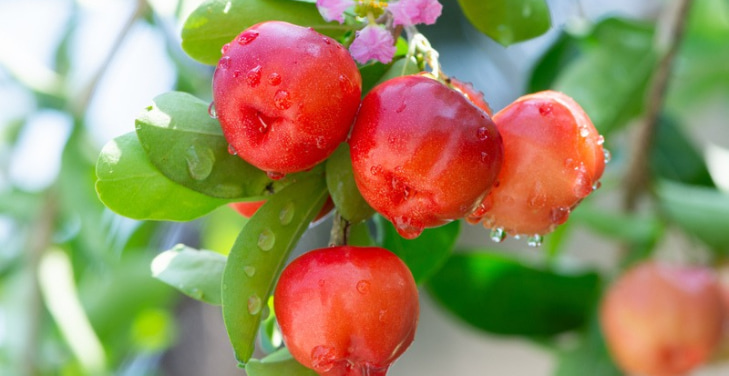
Acerola provides vitamin C, and daily intake depends on serving size, dietary needs, and supplement concentration.
What Is Acerola?
Acerola is a tropical fruit rich in vitamin C, notable for its vibrant red color, tangy flavor, and remarkable antioxidant content. This fruit helps supplement essential micronutrients, supports immune function, and maintains tissue health.
Nutritional Profile of Acerola Cherries
Acerola provides vitamin C, vitamin A, fiber, and antioxidant-active plant compounds. Nutritional composition varies by variety, ripeness, and growing conditions. These nutrients support many physiological processes, from cell protection to maintaining healthy skin.
Acerola as a Natural Source of Vitamin C
Acerola is renowned for its abundant vitamin C content. This nutrient promotes collagen synthesis, supports iron absorption from plant-based foods, and helps maintain normal immune function.
Fresh Fruit, Juice, Powder, and Supplement Forms
Users can supplement acerola through fresh fruit, juice, fruit powder, or dietary supplements. Each form has its own vitamin C concentration, depending on the processing method and degree of concentration.
Recommended Acerola Intake Per Day
The recommended daily intake of acerola depends on the fruit's vitamin C content, nutritional needs, and total vitamin C intake from other foods. Adults can start with approximately 50–100 g of fresh acerola per day as a fruit serving.
Typical Serving Sizes for Fresh Acerola
A 50 g serving of fresh acerola can provide a very high amount of vitamin C, depending on the variety and ripeness. Adults can consume 50–100 g per day, combined with a varied diet to supplement vitamins and antioxidants.
Factors That Influence Appropriate Daily Intake
The recommended daily vitamin C intake for adults is 75 mg/day for women and 90 mg/day for men. Smokers need an additional 35 mg/day. The appropriate amount of acerola depends on these needs, fruit serving size, and individual health status.
Differences Between Whole Fruit and Concentrated Products
Acerola powder and concentrated extract have significantly varying vitamin C content depending on the product. Consumers should check the label for vitamin C per serving and keep total vitamin C intake below the adult daily limit of 2,000 mg.
How Much Vitamin C Does Acerola Provide?
Acerola is notable for its abundant vitamin C content, which helps meet daily nutritional needs and supports many physiological functions. Vitamin C per serving varies by variety, ripeness, storage conditions, and processing method.
Vitamin C Content in Fresh Acerola Cherries
A 100g serving of fresh acerola can provide about 1,000–1,700 mg of vitamin C, depending on the fruit's characteristics. This exceeds the recommended daily intake for adults: 75 mg for women and 90 mg for men.
Variations by Fruit Variety, Ripeness, and Processing
Plant variety, climate, ripeness, and storage time significantly affect vitamin C content. High temperatures and prolonged processing can reduce this sensitive vitamin.
Comparing Acerola with Other Vitamin C-Rich Foods
Oranges provide approximately 53 mg of vitamin C per 100 g, green kiwis about 93 mg, and red bell peppers about 127 mg. Acerola typically contains significantly higher amounts of vitamin C, making it an effective supplement when consumed in appropriate portions.
Daily Acerola Intake for Different Age Groups
Appropriate daily acerola intake depends on age-specific vitamin C needs, diet, and health status. Children, adults, and older adults should adjust their intake based on individual nutritional needs, especially when using acerola powder or concentrated supplements.
Daily Vitamin C Requirements for Children
Children aged 1–3 years need 15 mg of vitamin C daily, children aged 4–8 years need 25 mg, and children aged 9–13 years need 45 mg. Parents can supplement with fresh acerola in small portions (about 10–20 g), depending on the child's age and ability to eat.
Recommended Vitamin C Intake for Adults
Adults need 75 mg of vitamin C daily for women and 90 mg for men. Pregnant women need 85 mg, while breastfeeding women need 120 mg daily. Balance acerola portions with the total vitamin C intake from food.
Special Considerations for Older Adults
Older adults should aim for about 75–90 mg of vitamin C per day, along with fruits, vegetables, and appropriate protein sources. Fresh acerola can help supplement this micronutrient, support collagen synthesis, and enhance iron absorption.
Acerola Powder and Supplement Dosage
Acerola powder and supplements provide vitamin C in varying amounts, depending on the ingredients, concentration, and manufacturing process. Users should determine the vitamin C amount in each serving to choose a dosage that fits their daily nutritional needs.
Reading Vitamin C Amounts on Product Labels
Product labels usually list the amount of acerola powder and the vitamin C content in milligrams (mg). Adults need approximately 75 mg of vitamin C per day for women and 90 mg for men. Refer to the nutritional information to adjust your serving size.
Differences Between Acerola Extract and Whole-Fruit Powder
Whole-fruit acerola powder contains fiber and many plant compounds, while concentrated extracts may provide higher vitamin C levels. The actual composition depends on each product's processing technology and manufacturing standards.
Avoiding Excessive Intake from Combined Supplements
Adults should keep their total vitamin C intake below 2,000 mg per day from food and supplements. Consider multivitamins, individual vitamin C tablets, and acerola powder to ensure adequate intake.
Potential Benefits of Eating Acerola Daily
Acerola provides vitamin C and antioxidants, contributing to overall health when consumed in appropriate amounts. Eating this fruit regularly enhances nutritional quality, supports various biological processes, and promotes normal bodily functions.
Supporting Normal Immune Function
Vitamin C in acerola supports immune cell function, maintains the skin's protective barrier, and helps protect cells from free radicals. Adequate daily vitamin C intake helps maintain healthy immune function.
Promoting Collagen Production and Skin Health
Vitamin C supports collagen synthesis, an essential protein for the structure of skin, blood vessels, cartilage, and connective tissue. Acerola contributes nutrients that support skin elasticity, wound healing, and tissue health.
Improving Absorption of Non-Heme Iron
Vitamin C increases non-heme iron absorption from beans, leafy green vegetables, and grains. Combining acerola with these foods helps the body utilize iron more effectively, supporting red blood cell production and oxygen transport.
Side Effects of Excessive Acerola Intake
Acerola contains high levels of vitamin C, so consuming too much fresh fruit, acerola powder, or supplements may cause adverse reactions. The impact depends on the total vitamin C intake, individual tolerance, and health status.
Digestive Discomfort, Diarrhea, and Abdominal Cramps
High amounts of vitamin C can cause nausea, abdominal pain, bloating, and diarrhea. Adults should keep their total vitamin C intake below 2,000 mg per day from all sources. Dividing portions appropriately helps reduce the risk of gastrointestinal discomfort.
Kidney Stone Considerations with High Vitamin C Intake
Excess vitamin C can be metabolized into oxalate, increasing oxalate excretion in the urine. Individuals with a history of kidney stones should consult a healthcare professional before using high supplemental doses, especially if kidney function is impaired.
Potential Concerns for People with Iron Overload
Vitamin C increases iron absorption from food. People with iron overload conditions, such as hemochromatosis, should use high-dose acerola supplements cautiously because large amounts of vitamin C can increase iron accumulation in the body.
Factors That Affect Daily Acerola Needs
The appropriate daily acerola intake depends on individual vitamin C needs, dietary habits, and health characteristics. Determining the serving size requires considering total nutrient intake from food and supplements, as well as physiological factors that may alter nutritional requirements.
Overall Dietary Vitamin C Intake
Adults need about 75 mg of vitamin C per day, and men need 90 mg. Smokers need an additional 35 mg per day. Base acerola servings on vitamin C intake from fruits, vegetables, and other supplements.
Pregnancy, Breastfeeding, and Individual Nutritional Needs
Pregnant women need approximately 85 mg of vitamin C per day, while breastfeeding women need 120 mg. Nutritional needs also depend on age, diet, and health status. Choose acerola to support your total daily vitamin C intake.
Health Conditions and Medication Considerations
Individuals with kidney disease, a history of kidney stones, or iron overload should consult a healthcare professional before using concentrated acerola. High doses of vitamin C may also affect how certain health conditions are managed and how medications are used.
Tips for Consuming Acerola Safely
Using acerola correctly helps supplement vitamin C, enhance nutritional quality, and maintain long-term health. Users should choose reliable sources, control daily portions, and consider individual nutritional needs when using fresh fruit or supplements.
Choosing Fresh Fruit and Reputable Supplements
Choose fresh acerola fruit with a characteristic color, an intact surface, and a natural aroma. For acerola powder or tablets, prioritize products with clear origins, transparent vitamin C content information, and specific usage instructions.
Following Product Serving Instructions
Read product labels carefully to determine serving sizes and vitamin C intake per serving. Adults should maintain total vitamin C intake below 2,000 mg per day from all sources. Individuals with kidney disease or risk of kidney stones should consult a healthcare professional before taking high doses.
Maintaining a Balanced Diet
Combine acerola with leafy greens, fruits, whole grains, and a variety of protein sources to ensure adequate intake of essential micronutrients. Prioritize fresh foods and adjust acerola intake to meet your nutritional needs to maintain a balanced diet.
Conclusion
Acerola is a rich source of vitamin C, which helps support the immune system, promotes collagen synthesis, and increases iron absorption. Adding this fruit to your daily diet as part of a balanced diet improves nutritional quality.
Consumers should adjust intake based on age, vitamin C needs, and health status. Controlling the dosage of acerola powder and supplements helps reduce the risk of digestive disorders, kidney stones, and excess vitamin C.
Frequently Asked Questions (FAQs)
- How Much Acerola Should You Eat Per Day? – Adults can start with about 50–100 g of fresh acerola per day, depending on their vitamin C needs and overall diet. Vitamin C content varies by fruit variety, ripeness, and storage conditions.
- Can You Take Acerola Supplements Every Day? – Adults may take acerola supplements daily according to the product label. Check the vitamin C content from all sources and consult a healthcare professional if you have underlying medical conditions or take medications.
- Does Acerola Contain More Vitamin C Than Oranges? – Acerola generally contains much more vitamin C than oranges. Per 100 g of fresh fruit, acerola may provide approximately 1,000–1,700 mg of vitamin C, while oranges provide around 53 mg. Actual amounts vary by variety, ripeness, and storage conditions.
- What Are the Side Effects of Eating Too Much Acerola? – Consuming excessive amounts of acerola can cause nausea, stomach pain, bloating, and diarrhea because of its high vitamin C content. People with a history of kidney stones or iron overload should seek medical advice before using high-dose acerola supplements.
- Is Acerola Safe for Children? – Children can eat acerola in age-appropriate portions that suit their dietary needs. Parents should offer fresh, thoroughly washed fruit, consider children's vitamin C requirements, and consult a healthcare professional before giving them concentrated acerola products or supplements.
