
Ceylon cinnamon has been used in traditional medicine for centuries, and today the polyphenol compounds in this spice continue to attract the attention of nutritional science. Ceylon cinnamon powder contains cinnamaldehyde and many other bioactive plant compounds.
These properties suggest potential benefits for metabolic health, blood sugar control, and antioxidant activity. The method of use, dosage, and product quality determine its actual value in the daily diet.
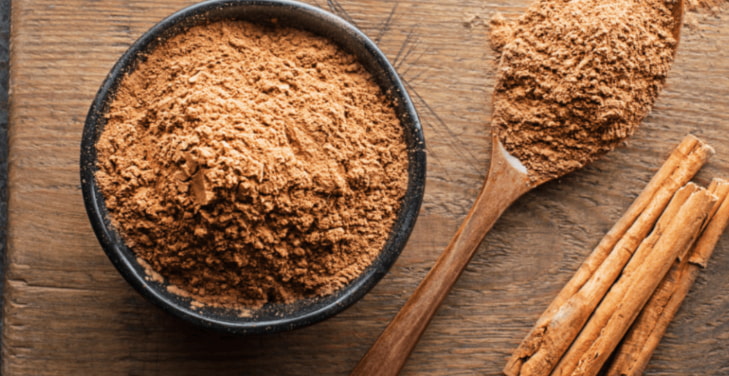
Ceylon cinnamon powder provides aromatic flavor and beneficial plant compounds for everyday nutrition.
What Is Ceylon Cinnamon Powder?
Ceylon cinnamon powder is a fine powder made from the bark of the Cinnamomum verum tree, a species of cinnamon native primarily to Sri Lanka and rich in characteristic plant compounds.
Botanical Origin
The Cinnamomum verum tree produces fragrant bark containing essential oils and many polyphenol compounds. People harvest the bark, dry it, and grind it into powder for use in cooking and health products.
Processing Into Powder
The processing begins with harvesting the cinnamon bark, drying it, and grinding it to the appropriate fineness. The finished powder has a light brown color, a mild aroma, and a characteristic sweet and spicy taste.
Common Uses
Ceylon cinnamon powder flavors oatmeal, yogurt, smoothies, tea, coffee, and many other dishes. Users also often incorporate this spice into a balanced diet to supplement its bioactive plant compounds.
Nutritional Profile of Ceylon Cinnamon Powder
Ceylon cinnamon powder provides a small amount of nutrients in a typical serving, while concentrating many bioactive plant compounds. This composition creates the characteristic nutritional value of this aromatic spice.
Antioxidants and Polyphenols
Ceylon cinnamon contains polyphenols, cinnamaldehyde, eugenol, and many phenolic compounds that participate in antioxidant activity. These substances help protect cells from the effects of oxidative stress and support a healthy biological environment.
Vitamins and Minerals
Cinnamon powder provides small amounts of manganese, calcium, iron, and several other micronutrients. Manganese participates in energy metabolism and the body's antioxidant enzyme system.
Low-Calorie Culinary Ingredient
The amount of cinnamon typically used per serving is quite small; therefore, its contribution to energy and carbohydrates in the total serving is low. The key value lies in the plant compounds themselves, rather than the macronutrient content.
Benefits of Ceylon Cinnamon Powder
Ceylon cinnamon powder provides numerous bioactive plant compounds, offering potential to support metabolic health and protect cells. Research on cinnamon has shown positive effects related to blood glucose, oxidative stress, and inflammatory responses.
Antioxidant Properties
Polyphenols and aromatic compounds in Ceylon cinnamon contribute to increased antioxidant activity, helping the body manage oxidative stress at the cellular level.
Metabolic Health Support
Cinnamon has the potential to support blood glucose and several metabolic markers. Metabolic analyses have shown positive effects on fasting blood glucose and insulin resistance in several study groups.
Anti-Inflammatory Effects
Several meta-analyses have shown cinnamon to be associated with improved inflammatory markers, including IL-6 and CRP. These data expand the spice's potential in a diet geared towards metabolic health.
Ceylon Cinnamon Powder and Blood Sugar
Ceylon cinnamon powder has attracted attention in metabolic nutrition due to its bioactive compounds that can influence glucose utilization. Studies on cinnamon have shown positive effects on fasting blood glucose and several markers of glucose control, although the level of effectiveness varies between studies.
Glucose Metabolism
Polyphenols and aromatic compounds in cinnamon may support glucose metabolism in tissues, contributing to the uptake and utilization of glucose by cells. These mechanisms form the biological basis for its potential to support blood glucose.
Insulin Sensitivity
Several meta-analyses have shown cinnamon to be associated with improved fasting blood glucose and the HOMA-IR insulin resistance index. This suggests a role in supporting insulin metabolism when combined with a suitable diet and lifestyle.
Diabetes Considerations
People with diabetes may use Ceylon cinnamon powder as a spice in a balanced diet. Cinnamon serves as a nutritional supplement, while medication and glucose control plans remain central. Individuals taking blood sugar-lowering medication should consult a healthcare professional before using cinnamon in concentrated form or as a dietary supplement.
Ceylon Cinnamon Powder for Weight Management
Ceylon cinnamon powder may support weight management goals through its potential impact on glucose metabolism, insulin, and metabolic markers. Meta-analyses have shown cinnamon to be associated with slight weight and BMI reductions in several adult groups.
Balanced Diet Support
Ceylon cinnamon adds a strong aroma to oatmeal, yogurt, fruit, and beverages, enhancing the appeal of whole-food-rich meals. This use supports flexible calorie-controlled diet planning.
Sugar-Free Flavoring
The characteristic sweet and spicy flavor of cinnamon enhances the taste of many dishes without added sugar. A small amount of cinnamon powder can add a distinct flavor to coffee, tea, smoothies, or cereal.
Metabolic Health
Several studies have shown cinnamon to be associated with improved blood glucose and insulin sensitivity, factors that play a role in metabolic health. Ceylon cinnamon powder is suitable for weight management strategies when combined with a balanced diet, regular exercise, and appropriate overall energy intake.
How to Use Ceylon Cinnamon Powder
Ceylon cinnamon powder provides a warm aroma and a mildly sweet and spicy flavor, making it suitable for many everyday dishes and drinks. Its versatile use allows this spice to blend naturally into your diet.
Oatmeal, Yogurt, and Smoothies
Sprinkle a small amount of cinnamon powder onto oatmeal, yogurt, fruit, or smoothies. The cinnamon flavor pairs well with bananas, apples, nuts, and whole grains, adding depth to your dishes.
Tea, Coffee, and Beverages
Stir Ceylon cinnamon powder into tea or coffee to enhance its warm flavor. You can also combine cinnamon with milk, cocoa, or smoothies for a balanced meal.
Savory Dishes
Ceylon cinnamon powder is suitable for curries, soups, stews, and sauces. A small amount adds a distinctive layer of flavor while also supplementing your diet with plant-based compounds. Spices, in the amounts commonly used in food, are generally safe.
How Much Ceylon Cinnamon Powder Should You Take Daily?
Ceylon cinnamon powder is best suited as a daily spice. Medical sources have not yet established a specific standard dosage for Ceylon cinnamon, as research has used various forms of cinnamon and different dosage levels.
Typical Culinary Serving
A small amount, about 1/4–1/2 teaspoon per day, is suitable for flavoring oatmeal, yogurt, tea, or coffee. The actual amount used may vary depending on the dish and taste.
Powder vs. Concentrated Supplements
Cinnamon powder used in food provides a milder exposure than concentrated extracts. The NCCIH notes that cinnamon at levels below 6 g/day has not shown a clear health risk in the available data; this applies to cinnamon in general and is for safety reference only, rather than a specific therapeutic dose for Ceylon cinnamon.
Individual Intake Factors
The amount used should be considered based on nutritional goals, liver condition, medications being taken, and duration of use. Ceylon cinnamon contains trace amounts of coumarin, while cassia products typically contain higher levels of coumarin.
Ceylon Cinnamon Powder vs. Cassia Cinnamon
Ceylon cinnamon and cassia cinnamon belong to different Cinnamomum species, resulting in distinct characteristics regarding origin, flavor, and chemical composition.
Origin and Flavor
Ceylon cinnamon (Cinnamomum verum) originates primarily in Sri Lanka, possessing a delicate aroma, a mildly sweet and spicy taste, and a soft powder texture. Cassia cinnamon (Cinnamomum aromaticum) is common in many Southeast Asian regions, boasting a stronger and more intense spicy flavor.
Coumarin Content
Coumarin is a key difference in chemical composition. Cassia cinnamon contains varying amounts of coumarin depending on the product, while Ceylon cinnamon typically contains only trace amounts. Coumarin is associated with a risk of liver damage when the body is exposed to high amounts over a long period.
Choosing for Regular Use
Ceylon cinnamon is suitable for those who want to use cinnamon regularly as a spice, especially when prioritizing products with low coumarin content. Users should check the species name and ingredients on the label to identify the correct type of cinnamon.
How to Choose High-Quality Ceylon Cinnamon Powder
The quality of Ceylon cinnamon powder depends on the source of the raw materials, purity, traceability, and storage conditions. Buyers can assess the product through clear labeling and testing information.
Authentic Ceylon Cinnamon
Prioritize products that clearly state Cinnamomum verum or Cinnamomum zeylanicum, the two scientific names used for Ceylon cinnamon. Originating from Sri Lanka and specific manufacturer information increase the likelihood of product identification.
Labels and Ingredient Lists
Check the ingredient list, production date, expiration date, batch number, and storage instructions. Products with a Certificate of Analysis from the manufacturer or an independent testing laboratory provide additional data on purity, heavy metals, and contaminants.
Freshness and Storage
Choose powder in airtight packaging and store it in a cool, dry place away from direct sunlight. Sealing tightly after each use helps maintain aroma and quality. Consumers should also check for food recall warnings, as the FDA has previously found some ground cinnamon products to contain high levels of lead.
Ceylon Cinnamon Powder Side Effects and Safety
Ceylon cinnamon powder is generally suitable for use as a spice in normal amounts. Safety needs to be considered more carefully when used in high amounts, for extended periods, or in combination with medications and supplements.
Digestive and Allergic Reactions
High amounts of cinnamon may cause digestive irritation, stomach discomfort, or allergic reactions in some people. Allergic reactions may include itching, rash, and skin irritation.
Coumarin and Liver Health
Ceylon cinnamon contains trace amounts of coumarin, which is an advantage in terms of safety for regular use. People with liver disease should consult a healthcare professional before using large amounts or concentrated products.
Medication and Long-Term Use
Cinnamon may interact with certain medications and herbal products. People taking diabetes medication or other prescription medications should inform their doctor about using cinnamon. The amount used in food creates an appropriate level of exposure for daily culinary needs.
Conclusion
Ceylon cinnamon powder offers a distinctive aroma and rich, bioactive plant compounds, making it suitable for many everyday dishes and beverages. This spice has the potential to support metabolic health, although clinical evidence has not yet established clear therapeutic benefits.
The amount used in food is generally safe. Prioritize pure Ceylon cinnamon, control portion sizes, and consult a healthcare professional when using high amounts or combining it with medication.
Frequently Asked Questions (FAQs)
- What are the benefits of Ceylon cinnamon powder? – Ceylon cinnamon powder provides polyphenols and other bioactive plant compounds that may support metabolic health, blood sugar regulation, and antioxidant activity as part of a balanced diet.
- How much Ceylon cinnamon powder should I use daily? – A small culinary amount is generally appropriate for daily use. Research has not established a standard dose, so intake should reflect the product, purpose, duration, and individual health status.
- Does Ceylon cinnamon help control blood sugar? – Some studies suggest cinnamon may lower fasting blood sugar and improve certain insulin resistance markers, while current evidence remains insufficient to establish it as a diabetes treatment.
- Is Ceylon cinnamon safe for regular use? – Ceylon cinnamon is generally suitable as a food spice. High or prolonged intake may cause digestive discomfort or allergic reactions, and potential drug interactions should be considered.
- How to choose quality Ceylon cinnamon powder? – Choose products that clearly identify Cinnamomum verum, provide transparent sourcing, contain simple ingredients, and use sealed packaging. Check batch details, expiration dates, and safety information.
