
Bed bugs are becoming a significant concern in urban pest control, particularly in high-density living spaces with frequent foot traffic. Their ability to hide in mattresses, luggage, clothing, and furniture allows them to spread through various habitats.
The bites cause itching, skin irritation, and allergic reactions; prolonged infestations can also affect sleep and mental health.
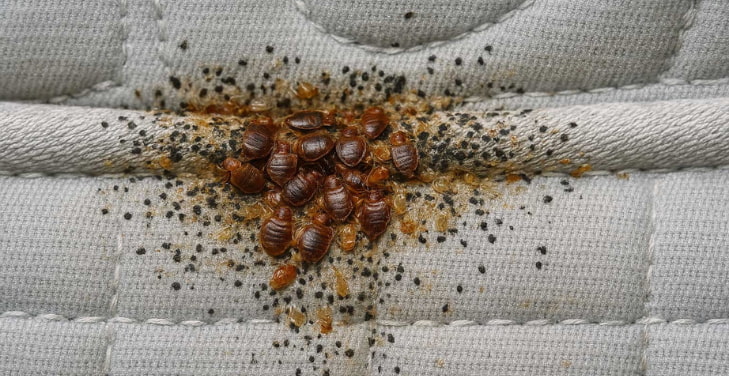
Bed bugs can cause itchy bites, allergic reactions, sleep disruption, and skin irritation.
What Are Bed Bugs?
Bed bugs are small, parasitic insects that are primarily nocturnal and feed on human blood. They often reside near areas where people rest, especially in bedrooms.
Definition and Common Species
Bed bugs are blood-sucking insects, with Cimex lectularius being the most common species in human environments. Adult bed bugs are small, oval-shaped, and reddish-brown. Bed bugs go through several developmental stages, from egg to nymph to adult.
Hiding Places and Reproduction
Bed bugs often hide in mattress seams, bed frames, wall crevices, furniture, and dark corners. Females lay eggs in discreet locations, allowing the population to multiply rapidly when food is abundant.
How Bed Bugs Spread
Bed bugs migrate through luggage, clothing, bedding, and furniture. They can easily invade new spaces when items infested with bed bugs are moved from one place to another.
Why Are Bed Bugs Dangerous?
Bed bugs cause numerous health problems through bites, skin reactions, sleep disturbances, and psychological stress. The severity of the impact depends on the frequency of exposure, the body's sensitivity, and the level of infestation in the living environment.
Health Effects of Repeated Bites
Bed bug bites often cause itching, redness, and skin irritation. Repeated exposure can lead to prolonged skin damage, especially in people with sensitive skin or strong allergic reactions.
Sleep and Psychological Effects
Bed bugs are most active at night, causing itching and discomfort during rest. This can disrupt sleep, increase stress, and keep people living in infested areas constantly alert to their surroundings.
Factors That Increase Exposure
High bed bug densities, ample hiding places, and frequent movement through accommodation areas can increase the risk of exposure. Luggage, clothing, and furniture also provide opportunities for bed bugs to spread to new areas.
Common Symptoms of Bed Bug Bites
Bed bug bites often cause an inflammatory reaction in the affected area of skin. Symptoms may appear immediately after being bitten or develop over time, depending on the individual's immune response.
Itchy Red Bumps and Swelling
Bite marks typically create red, slightly raised bumps on the skin's surface, accompanied by noticeable itching. Some cases may present with localized swelling, mild warmth, or a stinging sensation around the affected area.
Typical Bite Patterns
The lesions often cluster together or form short rows on the skin exposed during sleep. Common locations include the arms, legs, shoulders, neck, and other exposed areas of skin.
Individual Symptom Variation
The severity of skin reactions varies depending on individual sensitivities. Sensitive individuals may experience numerous bumps, intense itching, or widespread swelling, while others may only experience mild irritation.
Allergic Reactions to Bed Bug Bites
Allergic reactions to bed bug bites reflect the level of immune response to components in the bed bug's blood-sucking process. Manifestations can be localized to the skin or widespread, depending on the individual.
Mild Skin Reactions
Mild reactions often cause intense itching, redness, localized swelling, or hives around the bite area. Some people experience blisters and persistent irritation, especially with repeated contact.
Severe Allergic Responses
Severe systemic reactions can cause widespread hives, swelling of the face, lips, or throat, accompanied by shortness of breath, wheezing, and dizziness. In rare cases, it can progress to anaphylaxis, a medical emergency requiring immediate treatment.
When Medical Evaluation Is Needed
Individuals experiencing severe skin reactions, widespread swelling, or respiratory symptoms should seek prompt medical evaluation. Difficulty breathing, a swollen throat, dizziness, or fainting require immediate medical attention.
Can Bed Bug Bites Cause Skin Infections?
Bed bug bites can create conditions for secondary skin infections, especially when the itching sensation encourages repeated scratching. The CDC notes that vigorous scratching can abrade the skin and open the way for bacteria to enter.
Effects of Repeated Scratching
Persistent itching causes sufferers to frequently touch, scratch, or rub the affected area. Repeated friction weakens the skin's protective barrier, creating small abrasions and areas of skin erosion that are conducive to bacterial growth.
How Skin Infections Develop
Bacteria on the skin's surface can enter through the damaged skin, leading to secondary infections. Staphylococcus and Streptococcus are common causative agents in skin infections related to scratches.
Signs of Secondary Infection
The infected bite area may show worsening pain, spreading redness, swelling, warmth, discharge, or pus. Fever or fatigue accompanied by skin lesions requires medical evaluation to determine the extent of infection and the need for treatment.
Bed Bugs and Sleep Problems
Bed bugs are nocturnal, so their presence can directly disrupt rest. The CDC notes that itching and insomnia are common health effects of bed bug bites.
Itching and Nighttime Discomfort
Itching, irritation, and bumps on the skin can cause those bitten to wake up repeatedly. Constant scratching further irritates the skin, perpetuating the itch-scratch cycle and prolonging discomfort throughout the night.
Stress and Difficulty Sleeping
Worry about future bites can increase alertness before bedtime. People living in bed bug-infested environments may experience anxiety, restlessness, and difficulty maintaining stable sleep.
Effects of Chronic Sleep Disruption
Prolonged sleep deprivation can affect mood, concentration, and daily performance. Controlling the source of bed bugs helps reduce nighttime exposure and supports the restoration of sleep quality.
Psychological Effects of Bed Bug Infestations
The prolonged presence of bed bugs can create significant psychological stress, especially when sufferers are constantly worried about bites and sleep quality. The CDC notes anxiety, insomnia, and skin problems in those affected by bed bug infestations.
Anxiety and Persistent Worry
People living in bed bug-infested environments may develop heightened vigilance, frequently checking their beds, mattresses, and clothing. An observational study also noted a link between bed bug exposure, anxiety symptoms, and sleep disturbances.
Stress After Discovering an Infestation
Discovering bed bugs in a sleeping space can cause stress, anxiety, and a sense of loss of control. The cost of treatment, the cleaning process, and the worry of bed bugs spreading to other items can increase the emotional burden.
Effects on Daily Quality of Life
Prolonged anxiety, disrupted sleep, and constant vigilance can affect concentration, functioning, and a sense of security within one's own home. Some people also report nightmares, flashbacks, and avoidant behaviors after a bed bug infestation.
Can Bed Bugs Spread Diseases?
Bed bugs are currently considered a public health pest, primarily through bites, skin irritation, allergies, and sleep disturbances. The CDC and EPA have not proven that bed bugs are vectors for human diseases.
Current Evidence on Disease Transmission
Studies have identified various pathogens in bed bugs; however, evidence of direct disease transmission to humans remains unestablished.
Carrying Pathogens vs. Transmitting Disease
Bed bugs may carry or contain certain microorganisms after feeding on blood, but the presence of pathogens in the insect's body does not automatically equate to disease transmission. The mechanism of disease transmission requires sufficient evidence that the pathogen can sustain itself, be transmitted to the host, and cause infection.
Why Infestation Control Matters
Bed bug control remains crucial for health and quality of life. Reducing bed bug populations helps limit bites, allergic reactions, skin damage from scratching, anxiety, and sleep disruption.
Who Is Most Vulnerable to Bed Bug Problems?
The impact of bed bug infestations varies depending on individual factors, exposure frequency, and living conditions. Children, the elderly, and individuals with sensitive skin or allergies may require special attention during bed bug infestations.
Children and Older Adults
Children have sensitive skin and are easily affected by itching, irritation, and disrupted sleep. Older adults may have difficulty identifying or treating bed bug infestations, especially as their ability to recognize symptoms decreases with age.
People With Allergies or Sensitive Skin
Individuals with allergies may develop itchy rashes, swelling, or severe allergic reactions after multiple bites. Bed bugs can also worsen skin damage due to prolonged scratching, creating conditions for secondary infections.
People in Heavily Infested Environments
High bed bug populations increase the frequency of contact and prolong biting during sleep. Continuous exposure can lead to itching, insomnia, stress, and a decline in daily quality of life.
How to Prevent and Control Bed Bugs
Effective bed bug control requires a systematic strategy that combines cleaning, heat treatment, reducing hiding places, and continuous monitoring. The EPA recommends integrated pest management (IPM) to increase control effectiveness and reduce the risk of re-infestation.
Laundry and Heat-Drying
Laundry and heat-drying bedding, clothing, and other suitable items helps kill bed bugs and their eggs. The EPA recommends drying heat-sensitive items on high heat for about 30 minutes.
Reducing Hiding Places
Clearing out furniture, keeping clothes off the floor, thoroughly vacuuming crevices, and using specialized mattress covers helps reduce hiding places for bed bugs.
Professional Pest Control
Prolonged or widespread bed bug infestations require the assistance of a professional pest control expert. IPM methods can combine monitoring, vacuuming, heat treatment, sealing gaps, and appropriate insecticides.
Conclusion
Bed bugs significantly impact health through itchy bites, allergic reactions, skin lesions, and disrupted sleep. Excessive scratching can lead to secondary skin infections, while prolonged infestations increase stress and anxiety.
Early detection, inspection of hiding places, and timely environmental treatment are crucial for effective bed bug population control.
Frequently Asked Questions (FAQs)
- Can bed bugs make you sick? – Bed bugs can cause itching, redness, allergic reactions, and skin damage from scratching. Prolonged infestations can also contribute to insomnia, anxiety, and reduced quality of life.
- Can bed bug bites cause infections? – Bed bug bites can create skin lesions, particularly when scratching damages the skin. Bacteria can enter through broken skin and cause secondary infections such as impetigo or soft-tissue infections.
- Do bed bugs spread diseases? – Bed bugs can carry some microorganisms, but current evidence has not established them as vectors of disease transmission to humans. Controlling infestations helps reduce bites, allergic reactions, and related health effects.
- How do bed bugs affect sleep? – Bed bug activity at night can cause itching, irritation, and wakefulness. Prolonged exposure may contribute to stress, insomnia, and persistent alertness around bedtime.
- How can you prevent bed bugs? – Washing and drying bedding at high temperatures, reducing clutter and hiding places, inspecting luggage after travel, and using integrated pest management can help prevent bed bug infestations.
