
Did you know a tiny seed with a sweet, licorice-like aroma contains plant compounds that may support digestive health? Anise has long attracted attention for its anethole-rich essential oil and its unique applications in traditional medicine.
Behind that distinctive aroma are many aspects worth exploring, including nutrition, health benefits, uses, and potential risks.
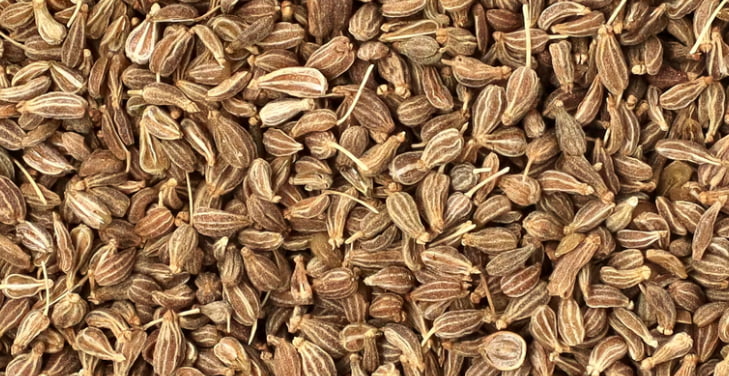
Anise is an aromatic spice traditionally used in cooking, herbal teas, and digestive remedies.
What Is Anise?
Anise is a fragrant herb widely used in cooking, herbal teas, and traditional medicine. Anise seeds contain bioactive plant compounds, particularly anethole, which gives them their sweet, warm aroma and supports potential digestive health benefits.
Botanical Name and Classification
Anise, scientifically known as Pimpinella anisum, belongs to the Apiaceae family. The plant grows annually and produces small, fragrant seed-containing fruits, commonly used as a spice and herbal ingredient.
Origin and Plant Characteristics
Anise originates from the Mediterranean and Southwest Asia. It has a slender herbaceous stem, green leaves that vary in shape by growing location, and small white flower clusters. Mature anise fruits are grayish-brown and contain a characteristic fragrant essential oil.
Common Names and Traditional Uses
Anise is also known as aniseed or anise seed in English. The seeds have a mildly sweet taste and a licorice-like aroma, and are commonly used in baked goods, beverages, herbal teas, and traditional digestive aids.
Anise Nutrition and Active Compounds
Anise (Pimpinella anisum) provides many bioactive plant compounds, particularly concentrated in the fruit and essential oil. Anise's nutritional composition includes fiber, carbohydrates, protein, a small amount of fat, and essential micronutrients. These components contribute to its nutritional value and potential healthcare applications.
Essential Nutrients and Plant Compounds
Anise seeds contain fiber that supports bowel function, along with protein, lipids, and minerals such as calcium, iron, magnesium, and potassium. The nutritional content depends on growing conditions and storage methods.
Anethole and Aromatic Constituents
Anethole is the main aromatic compound in anise essential oil and gives it its characteristic sweet flavor. Additionally, estragole, anisaldehyde, and several terpenoids contribute to the herb's chemical properties.
Antioxidant Properties
The phenolic and flavonoid compounds in anise exhibit antioxidant activity, helping to neutralize free radicals and protect cells from oxidative stress.
Potential Health Benefits of Anise
Anise contains anethole, flavonoids, and other bioactive plant compounds, supporting its potential applications in healthcare. Current research focuses on its ability to support digestion, regulate inflammatory responses, protect cells, and its physiological effects related to women's health.
Digestive and Gastrointestinal Health
Anise's digestive properties come from anethole and other aromatic compounds that act on the smooth muscles of the digestive tract. These components help reduce spasms, support the release of accumulated gas, and improve bloating and abdominal discomfort.
Antioxidant and Anti-inflammatory Potential
Flavonoids and phenolic compounds in anise show antioxidant activity, helping control oxidative stress and regulate inflammatory responses. These properties open up potential research into cell protection.
Respiratory and Women's Health
Anise has a history of use in preparations to aid expectoration and soothe the respiratory tract. Additionally, anethole exhibits estrogen-like activity in some experimental studies, providing a basis for investigating traditional applications related to the menstrual cycle and lactation.
Anise for Digestion and Bloating
Anise has a long history of use in traditional medicine to improve bloating, gas, and discomfort after meals. The aromatic compounds in anise seeds have attracted researchers because they can affect smooth muscle activity and gastrointestinal motility.
Traditional Use for Gas and Abdominal Discomfort
Traditional medicine uses anise seeds as an herbal remedy to help expel gas, soothe bloating, and relieve indigestion. These applications are mainly based on long-standing experience.
Effects on Digestive Activity
Anethole and some components in anise essential oil have shown antispasmodic effects in preclinical studies. This activity suggests it may regulate smooth muscle contractions in the intestine and reduce discomfort associated with digestive spasms.
Anise Tea for Digestive Comfort
Anise tea, made from lightly crushed anise seeds, has a delicate aroma and is often included in post-meal digestive care routines. Hot water helps extract some of the aromatic compounds, creating a traditional herbal beverage.
Anise Seeds, Oil, and Tea: Common Uses
Anise has many uses in daily life, from whole seeds and concentrated essential oil to herbal tea. Each preparation has its own aroma, application, and concentration of active ingredients, serving culinary, personal care, and health-supporting purposes.
Culinary Uses of Anise Seeds
Anise seeds have a mild sweetness and a characteristic licorice aroma, and are often used in bread, cookies, desserts, and stews. Users can lightly roast or grind the seeds to release essential oils and enhance the flavor of food.
Anise Herbal Tea Preparation
Anise tea typically uses about 1–2 grams of lightly ground seeds per cup of hot water. Steeping the seeds for 5–10 minutes helps extract the aromatic compounds, creating a mild-flavored beverage suitable for enjoying after meals.
Anise Essential Oil Applications
Anise essential oil contains a high concentration of anethole and is commonly used in fragrances, cosmetics, and scented products. In aromatherapy, use the product in a diffuser, following safety guidelines.
How to Use Anise Safely
Anise can be used in traditional dietary and health care methods through whole seeds, herbal tea, or extract preparations. Choosing the right form, dosage, and frequency helps control how much active ingredients you absorb, especially anethole in the essential oil.
Appropriate Culinary Quantities
Anise seeds are often used in small amounts in foods such as baked goods, stews, and beverages. A typical serving provides a distinctive aroma while adding plant compounds to the diet.
Common Preparation Methods
Users can lightly grind 1–2 g of anise seeds, then steep them in 150–250 ml of hot water for about 5–10 minutes to make tea. Store dried seeds in an airtight container in a dry place, away from direct sunlight.
Precautions for Concentrated Products
Anise essential oil contains a high concentration of anethole, so use caution. Users should avoid ingesting the pure essential oil and consult a healthcare professional before using concentrated extracts or supplements.
Anise Side Effects and Potential Risks
Anise is generally safe when used in normal amounts as a spice. However, the anethole content and aromatic compounds in concentrated preparations may cause some adverse reactions, especially in sensitive individuals or those who use it excessively.
Allergic Reactions and Skin Sensitivity
Anise can cause allergic reactions in people sensitive to plants in the Apiaceae family. Common symptoms include itching, hives, rashes, and lip swelling. Contact with concentrated essential oils can also irritate the skin.
Digestive Discomfort from Excessive Intake
Using large amounts of anise can cause nausea, abdominal discomfort, and digestive upset. High essential oil content increases exposure to anethole, making the body more susceptible to adverse reactions.
Risks of Concentrated Essential Oils
Anise essential oil contains high concentrations of active ingredients and requires careful dosage control. Ingesting pure essential oil can cause toxicity and mucosal irritation. Users should use concentrated preparations with particular caution.
Anise Interactions and Precautions
Anise contains anethole and other bioactive plant compounds that may affect several physiological processes. Consider using anise tea, extract, or essential oil based on your health conditions, medications, and life stage.
Potential Medication Interactions
Anise may affect drug metabolism through bioactive properties of its essential oils and plant compounds. Individuals undergoing long-term medication, especially hormonal drugs or drugs metabolized by the liver, should consult their doctor before using concentrated anise preparations.
Hormonal-Sensitive Conditions
Anethole has shown estrogen-like activity in some experimental studies. This characteristic raises concerns for individuals with uterine fibroids, endometriosis, or other hormone-sensitive conditions. This group should consult with a healthcare professional before using supplemental doses.
Pregnancy, Breastfeeding, and Children
Pregnant women should limit anise to the usual spice intake due to limited safety data on medicinal doses. Breastfeeding women and young children should seek medical advice before using concentrated anise tea, extract, or essential oil.
Anise vs. Star Anise: Key Differences
Both anise and star anise possess a characteristic sweet aroma due to their anethole content, commonly found in culinary and herbal preparations. These two ingredients differ in botanical origin, morphology, chemical composition, and applications, allowing users to choose the one best suited to their needs.
Botanical Classification and Plant Origins
Anise, scientifically known as Pimpinella anisum, belongs to the Apiaceae family and is a herbaceous plant native to the Mediterranean region. Star anise, scientifically known as Illicium verum, belongs to the Schisandraceae family and originates from China and Vietnam.
Flavor and Active Compounds
Anise creates a mild licorice-like aroma thanks to anethole and other aromatic compounds. Star anise has a stronger aroma, a warm, sweet taste, and a high anethole content in its essential oil.
Culinary and Medicinal Applications
Anise is commonly used in baked goods, herbal teas, and as a spice. Star anise is popular in broths, stews, five-spice powder, and traditional medicine preparations.
Conclusion
Anise is an herb rich in plant compounds, particularly anethole, flavonoids, and antioxidant-active components. Its distinctive aroma and traditional uses make anise a popular ingredient in cooking and digestive care.
Using anise in appropriate doses, choosing safe preparations, and watching for potential interactions can reduce risks, support health, and help you get the most from this herb.
Frequently Asked Questions (FAQs)
- What Is Anise Commonly Used For? – Anise is commonly used as a culinary spice, in herbal teas, and as a food flavoring. Its seeds contain anethole, which gives them a distinctive licorice-like flavor. Anise also has a long history of traditional use for digestive support.
- Does Anise Help With Bloating? – Preclinical studies suggest that anise may have antispasmodic properties. Aromatic compounds, particularly anethole, may help relax intestinal smooth muscles and ease gas-related discomfort and bloating. However, clinical evidence in humans remains limited.
- What Nutrients Does Anise Contain? – Anise seeds provide fiber, protein, carbohydrates, fats, and minerals such as calcium, iron, magnesium, and potassium. They also contain anethole, flavonoids, and phenolic compounds with potential antioxidant activity.
- How Much Anise Tea Can You Drink Daily? – A traditional preparation uses approximately 1–2 grams of anise seeds per cup, steeped in 150–250 ml of hot water. The appropriate amount depends on individual tolerance, health conditions, and possible medication interactions. Consult a healthcare professional before using anise tea regularly for medicinal purposes.
- What Are the Side Effects of Anise? – Anise may cause allergic reactions, itching, hives, or gastrointestinal discomfort in sensitive individuals. Concentrated anise essential oil can cause irritation or toxicity when used improperly, particularly when swallowed.
