
Hibiscus tea unlocks a layer of health secrets hidden within its vibrant red color and refreshing, tangy flavor. Each sip triggers subtle biological responses that spread through the circulatory system and affect numerous vital mechanisms.
The natural compounds within act as regulatory signals, promoting homeostasis and unleashing latent energy. The body responds noticeably, creating a feeling of lightness, agility, and vitality.
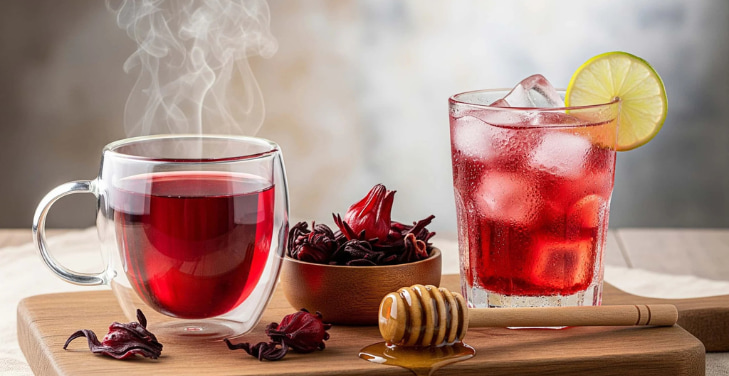
Hibiscus tea supports heart health and hydration but may affect blood pressure levels.
What Is Hibiscus Tea?
Hibiscus tea immediately captures attention with its vibrant red color and distinctly tangy flavor. This beverage provides instant refreshment while supplying many valuable bioactive compounds to the body.
Botanical Origin
Hibiscus tea is brewed from the calyxes of the Hibiscus sabdariffa plant. This plant thrives in tropical regions where abundant sunlight helps accumulate high levels of anthocyanins and organic acids. The calyxes are harvested at optimal ripeness and dried to preserve their nutrients.
Flavor and Sensory Profile
The flavor of hibiscus tea is characterized by its bright acidity, cool aftertaste, and a quickly spreading refreshing sensation. The deep ruby red color creates a strong visual impression, stimulating a more vibrant drinking experience.
Traditional and Modern Uses
Many cultures use hibiscus tea as part of their daily routine. This beverage is featured in traditional rituals and has become a popular choice in modern life due to its health-boosting properties and ability to quickly soothe the body.
Nutritional and Active Compounds
The nutritional composition of hibiscus tea underlies its noticeable biological effects on the body. Each sip of tea carries a powerful combination of active compounds that promote many physiological processes, enabling them to run smoothly and efficiently.
Polyphenols and Anthocyanins
Hibiscus tea contains high levels of polyphenols, especially anthocyanins, which give it its characteristic red color. These compounds help neutralize free radicals, supporting the maintenance of cellular and vascular stability.
Organic Acid Profile
Organic acids such as citric, malic, and tartaric contribute to its bright, tangy taste. These compounds stimulate digestive enzymes, promote energy metabolism, and leave the stomach feeling light after drinking.
Vitamin and Mineral Content
Vitamin C plays a prominent role in supporting the immune system's effective function. Potassium and magnesium help regulate electrolyte balance, thereby supporting cardiovascular function and maintaining a stable physiological state.
Pros of Hibiscus Tea
Hibiscus tea offers a range of distinct biological benefits, directly impacting many vital organ systems. The combination of antioxidants and organic acids creates a ripple effect, helping the body maintain a dynamic balance.
Cardiovascular Support
Hibiscus tea helps regulate blood pressure by acting on blood vessel walls and blood flow. The active compounds promote vasodilation, thereby helping the heart function more smoothly and stably throughout the day.
Antioxidant Protection
The high anthocyanin content helps protect cells from oxidative stress. The body maintains cellular integrity while reducing the accumulation of microdamage over time.
Metabolic Enhancement
Hibiscus tea stimulates energy metabolism, supporting the body in more efficient nutrient utilization. Enzyme activity is more efficient, contributing to maintaining a stable weight and a feeling of increased energy.
Cons of Hibiscus Tea
Hibiscus tea offers many benefits, but it also produces some physiological effects that need to be clearly identified. Uncontrolled consumption or use in specific contexts can trigger strong reactions in the body.
Blood Pressure Sensitivity
Hibiscus tea promotes vasodilation and significantly lowers blood pressure. People with low blood pressure may experience mild dizziness, decreased concentration, and changes in heart rate when consuming large quantities.
Drug Interaction Potential
The active compounds in hibiscus tea affect liver drug metabolism. The body alters the rate of absorption and breakdown of certain drugs, thereby fluctuating treatment effectiveness.
Hormonal Influence
Hibiscus tea affects hormone balance through complex biological mechanisms. Hormonal changes are more pronounced in individuals with sensitive backgrounds, especially during critical physiological periods.
Cardiovascular Effects Explained
Hibiscus tea directly impacts the cardiovascular system through several closely linked biological mechanisms. The active compounds act synergistically, producing a noticeable effect on blood pressure, blood vessel walls, and blood circulation.
Vascular Relaxation Mechanism
Anthocyanins and polyphenols activate vasodilation by increasing endogenous nitric oxide production. Blood vessels become more flexible, blood flow is smoother, and pressure on the heart is significantly reduced throughout the circulatory cycle.
Blood Pressure Modulation
Hibiscus tea regulates blood pressure by influencing the renin-angiotensin system. The body better controls vasoconstriction, thereby maintaining blood pressure within a safe and balanced range.
Cholesterol and Lipid Impact
The bioactive compounds in hibiscus tea help regulate blood lipids, contributing to reduced cholesterol buildup in blood vessel walls. Blood flow remains unobstructed, helping the cardiovascular system function more efficiently and sustainably over time.
Effects on Metabolism and Digestion
Hibiscus tea activates a series of biological reactions related to metabolism and digestion, creating a feeling of lightness in the body and a stable energy flow. Natural compounds work harmoniously to promote more efficient nutrient processing with each serving.
Enzyme Activation and Nutrient Breakdown
Organic acids in hibiscus tea stimulate digestive enzymes to work vigorously. Food is broken down quickly, nutrients are absorbed more deeply, and the body makes maximum use of the energy intake.
Metabolic Rate Enhancement
Polyphenols promote thermogenesis and increase the basal metabolic rate. The body expends energy more efficiently, supporting balance and alertness throughout the day.
Gut Motility and Comfort
Hibiscus tea supports smooth bowel movements, helping the digestive system maintain a stable rhythm. The feeling of bloating subsides quickly, and the abdominal area feels comfortable and light after use.
Who Should Be Cautious or Avoid It
Hibiscus tea produces noticeable biological effects, so each group needs to assess its suitability based on their physical condition and health goals. The right choice helps maintain positive effects and control physiological responses.
Low Blood Pressure Individuals
People with low blood pressure are prone to dizziness when using hibiscus tea regularly. The vasodilatory effect is strong, causing a significant drop in blood pressure and impairing the ability to maintain alertness.
Medication-Sensitive Users
Those using cardiovascular or metabolic medications need to closely monitor their body's reactions. Hibiscus tea affects liver enzymes, altering drug metabolism and leading to fluctuations in treatment effectiveness.
Pregnancy and Hormonal Phases
Women during pregnancy or experiencing hormonal fluctuations need to pay attention to their bodies' reactions. The bioactive compounds in hibiscus tea affect hormone balance, thereby influencing natural physiological regulation.
Recommended Dosage and Frequency
The dosage and frequency of hibiscus tea consumption directly determine the biological effects received by the body. Proper control optimizes benefits while maintaining stable homeostasis over time.
Daily Intake Range
Common consumption ranges from 1 to 2 cups per day, equivalent to 240–480 ml. This amount provides sufficient polyphenols and organic acids to activate beneficial responses in the body, while maintaining a pleasant feeling after drinking.
Frequency and Consistency
Regular daily use allows the body to adapt to the bioactive compounds. A stable consumption rate supports long-term effectiveness, especially in cardiovascular and metabolic goals.
Adjusting Based on Individual Response
The body responds differently depending on health background and lifestyle. Observing how you feel after drinking helps adjust the dosage flexibly, thereby maintaining optimal effectiveness and a balanced physiological state.
Best Time to Drink Hibiscus Tea
The timing of hibiscus tea consumption directly affects how the body absorbs and responds to its bioactive compounds. Choosing the right time optimizes metabolic efficiency and maintains stable energy levels throughout the day.
Morning Activation Window
Morning offers an early opportunity to activate the metabolism. Hibiscus tea promotes circulation, creates a noticeable sense of alertness, and helps the body establish a positive circadian rhythm.
Afternoon Energy Stabilization
Afternoon is the ideal time to maintain energy. A cup of hibiscus tea helps the body maintain focus, supports blood sugar regulation, and reduces accumulated fatigue.
Post-Meal Digestive Support
After meals, hibiscus tea helps stimulate digestive enzymes to work more effectively. The breakdown of nutrients occurs smoothly, creating a feeling of lightness in the stomach and supporting deeper nutrient absorption.
Tips to Maximize Benefits and Minimize Risks
Hibiscus tea is most effective when used in a way that suits your body's condition and health goals. Small adjustments to your daily routine can significantly improve absorption and physiological responses.
Optimal Brewing Technique
Water temperature of around 90–95°C maximizes the release of anthocyanins and polyphenols. Brewing time of 5–7 minutes creates a balanced flavor while maintaining the stability of the active ingredient structure.
Portion Control Strategy
Maintaining a reasonable portion size helps the body absorb nutrients effectively while maintaining homeostasis. One to two cups per day creates a stable usage rhythm, supporting smooth biological processes.
Smart Ingredient Pairing
Combining hibiscus tea with mint or ginger creates a noticeable synergistic effect. This combination enhances digestion while adding depth of flavor and a richer drinking experience.
Body Response Awareness
Observing your body's reaction after each use allows for flexible adjustments. Heart rate, energy levels, and digestive sensations provide clear signals to optimize usage for each individual.
Conclusion
Hibiscus tea offers a clear spectrum of biological effects, from supporting cardiovascular health to promoting metabolism and digestion. Each benefit manifests when used appropriately to meet the body's needs.
Choosing the right dosage, timing, and frequency creates lasting effects. The body responds positively when a consistent and conscious routine is maintained.
A proactive approach maximizes the value of hibiscus tea while maintaining long-term physiological balance.
Frequently Asked Questions (FAQs)
- Is hibiscus tea safe for daily consumption? – Hibiscus tea is suitable for daily use in moderate amounts, with one to two cups supporting polyphenol intake, hydration, and overall cardiovascular wellness.
- Can hibiscus tea help lower blood pressure? – Hibiscus tea supports blood pressure regulation by promoting vasodilation and improving circulation, helping maintain stable cardiovascular function.
- When is the best time to drink hibiscus tea? – Morning intake supports metabolism and alertness, while afternoon consumption helps maintain energy levels and supports digestion.
- Who should be cautious when drinking hibiscus tea? – Individuals with low blood pressure, those using cardiovascular or metabolic medications, and women in hormonally sensitive stages should monitor their response when drinking hibiscus tea.
- Does hibiscus tea support weight management? – Hibiscus tea supports metabolism and appetite control, complementing a balanced diet and regular exercise for long-term weight management.
