
The digestive system is under significant pressure from modern diets rich in refined foods and low in fiber. Disorders of bowel motility, bloating, and poor absorption are increasingly common, directly impacting energy levels and overall health.
Blueberries offer a natural nutritional solution with their rich fiber, polyphenols, and micronutrients. These compounds activate the gut microbiota, promote efficient digestion, and lay a solid foundation for gut health.
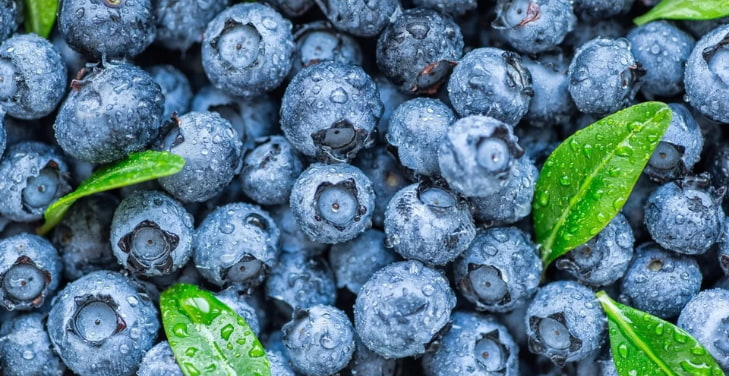
Blueberries rich in fiber support digestion and promote a healthy gut naturally.
What Are Blueberries?
Blueberries are a concentrated source of nutrients, boasting a distinctive bluish-purple color and a thin skin containing powerful bioactive compounds. This fruit grows naturally in temperate climates, accumulating many compounds that support digestion and overall health.
Origin and Characteristics
Blueberries belong to the Ericaceae family and are small and spherical, with a sweet and slightly tart flavor. The flesh is juicy and rich in anthocyanin pigments, creating a deep bluish-purple color. Their soft texture allows for easy absorption of nutrients immediately after consumption.
Digestive-Friendly Nutrients
The natural fiber content in blueberries supports stable bowel movements. Polyphenols are actively involved in the digestive system, contributing to the nourishment of beneficial bacteria and promoting a balanced gut environment.
Natural Functional Food
Blueberries act as a natural functional food, providing vitamin C, vitamin K, and manganese. These components participate in metabolic processes, improve digestive efficiency, and maintain a healthy microbiome.
Nutritional Profile for Digestive Health
The nutritional profile of blueberries reveals a rich biological structure, focusing on compounds that directly support the digestive system. Each component participates in distinct mechanisms, creating a powerful synergistic effect in the gut.
Dietary Fiber Composition
The fiber in blueberries includes both soluble and insoluble forms. The soluble form creates a light gel environment in the intestine, supporting smooth food transit. The insoluble form stimulates bowel motility, promoting regular elimination and maintaining stable stool structure.
Polyphenols and Antioxidants
Polyphenols, especially anthocyanins, are actively involved in the gut. These compounds interact with the microbiome, promoting the growth of beneficial bacteria and enhancing microbial diversity. Their strong antioxidant activity helps protect the intestinal mucosa from the effects of the digestive environment.
Micronutrients Supporting Digestion
Vitamin C, vitamin K, and manganese in blueberries participate in important enzymatic reactions. These micronutrients support energy metabolism, increase absorption efficiency, and maintain stable digestive system function.
How Blueberries Support Gut Function
Blueberries directly impact gut function through multiple simultaneous biological mechanisms. The bioactive compounds in the fruit coordinate intestinal peristalsis, the microbiome, and the mucosal lining, thereby significantly improving digestive efficiency.
Enhancing Bowel Regularity
The fiber in blueberries stimulates rhythmic bowel movements. Stool volume improves in structure and moisture, facilitating smooth elimination. Food transport in the digestive tract becomes stable, creating conditions for a continuous digestive cycle.
Supporting Digestive Efficiency
Digestive enzymes function more effectively in the presence of micronutrients and polyphenols from blueberries. The breakdown of carbohydrates, lipids, and proteins occurs more smoothly, helping the body maximize nutrient utilization from food.
Strengthening Gut Barrier Function
Anthocyanins in blueberries strengthen the intestinal mucosa, maintaining the integrity of the biobarrier. The intestinal epithelium becomes stronger, contributing to the stability of the internal environment and supporting the smooth functioning of the digestive system.
The Role of Fiber in Digestive Health
Fiber plays a central role in regulating all digestive activity. It creates a favorable physiological environment in the gut, promoting the harmonious coordination between peristalsis, microorganisms, and nutrient absorption.
Soluble Fiber Function
Soluble fiber absorbs water and forms a soft gel structure in the intestinal lumen. This gel slows down digestion, stabilizing the flow of food. At the same time, it provides nutrients for beneficial bacteria, activating fermentation to produce beneficial short-chain fatty acids.
Insoluble Fiber Action
Insoluble fiber increases stool volume and stimulates strong bowel movements. The movement of food mass becomes continuous, helping to maintain a stable bowel rhythm and supporting effective intestinal cleansing.
Stool Formation and Gut Rhythm
The combination of these two types of fiber creates an ideal stool structure, balancing softness and consistency. The digestive system's circadian rhythm is strengthened, thereby improving overall digestive efficiency.
Supporting Gut Microbiome Balance
The gut microbiome reflects a delicate balance among thousands of bacterial species. Blueberries provide a rich source of bioactive nutrients, shaping a stable microbial environment and promoting the diversity of beneficial bacteria.
Prebiotic Compounds Activity
Soluble fiber and polyphenols in blueberries act as nutrients for beneficial bacteria. These compounds stimulate biofermentation, producing short-chain fatty acids that nourish gut cells and strengthen the microbial environment.
Promoting Beneficial Bacteria Growth
Anthocyanins support the vigorous growth of beneficial bacterial strains such as Lactobacillus and Bifidobacterium. Increased density of beneficial bacteria contributes to maintaining a balanced and stable gut ecosystem.
Microbial Diversity and Stability
Microbial diversity is strengthened through the rich nutrients provided by blueberries. A harmonious balance of gut bacteria creates an effective biological defense system and enhances the gut's adaptability.
Reducing Digestive Inflammation
Inflammation in the digestive system directly affects absorption efficiency and the stability of the gut environment. Blueberries offer a spectrum of highly active bioactive compounds that exert a strong regulatory effect on inflammatory responses and support mucosal recovery.
Anti-inflammatory Polyphenols
Anthocyanins and flavonoids in blueberries activate endogenous anti-inflammatory mechanisms. These compounds regulate cytokine signaling, thereby calming inflammatory responses in intestinal tissue. The digestive environment becomes balanced, creating conditions for epithelial cells to function effectively.
Oxidative Stress Reduction
The strong antioxidant activity helps neutralize free radicals formed during digestion. Intestinal mucosal cells are protected, tissue structure maintains integrity, and continuous regeneration occurs.
Soothing the Digestive Lining
The nutrients in blueberries help soothe the mucosal lining and strengthen the intestinal barrier. The epithelial layer maintains a stable state, contributing to improved digestive function and providing a foundation for the harmonious development of the microbiome.
Enhancing Nutrient Absorption
The ability to absorb nutrients directly reflects the efficiency of the digestive system. Blueberries provide a set of bioactive compounds that optimize the transport, breakdown, and uptake of micronutrients in the intestinal mucosa, thereby enhancing the nutritional value of the daily diet.
Improving Intestinal Lining Integrity
Anthocyanins and vitamin C strengthen the structure of intestinal epithelial cells. The mucosal layer maintains high flexibility and integrity, facilitating the smooth and efficient passage of nutrients through the absorption membrane.
Supporting Digestive Enzyme Activity
Micronutrients such as manganese activate many important digestive enzymes. Strong enzyme activity promotes the breakdown of carbohydrates, proteins, and lipids into easily absorbable forms.
Enhancing Nutrient Transport Mechanisms
Polyphenols in blueberries regulate the activity of micronutrient transport channels in the gut. This stabilizes vitamin and mineral absorption, helping the body make the most of nutrients from food.
Blueberries and Prevention of Digestive Issues
Blueberries play an active role in maintaining the stability of the digestive system and limiting the occurrence of common disorders. The bioactive compounds in the fruit have a synergistic effect on bowel motility, the microbiome, and the mucosal lining.
Supporting Regular Bowel Movements
The fiber in blueberries promotes regular bowel movements. Stool volume is regulated, helping to ensure regular excretion and maintain a stable digestive cycle.
Maintaining Gut Environment Stability
Polyphenols and anthocyanins nourish beneficial microorganisms, creating a balanced ecosystem in the gut. This environment helps control factors that cause digestive disorders and strengthens bowel function.
Long-Term Digestive Protection
The antioxidant compounds in blueberries protect intestinal cells from the effects of oxidative stress. The mucous membrane is kept strong, thereby enhancing adaptability and maintaining long-term digestive health.
Best Ways to Eat Blueberries for Digestion
The way you consume blueberries directly affects their digestive benefits and nutrient absorption. Choosing the right method optimizes the bioavailability of fiber, polyphenols, and vitamins in the fruit.
Fresh and Whole Consumption
Fresh blueberries retain their natural fiber structure and water content. Eating them whole activates the chewing process, thereby promoting the secretion of digestive enzymes and improving food processing efficiency in the stomach.
Blended and Functional Pairings
Blueberry smoothies combined with yogurt or oatmeal create a mixture rich in probiotics and fiber. This combination enhances microbiome activity and supports beneficial fermentation in the gut.
Consistent Daily Intake
Maintaining a daily serving of blueberries helps stabilize the digestive environment. Regular consumption creates conditions for the sustainable growth of the microbiome and improves long-term digestive efficiency.
Who Can Benefit Most from Digestive Support?
The need for digestive support arises in many groups with different physiological characteristics and lifestyles. Blueberries provide a suitable source of nutrients, helping to optimize gut function and comprehensively improve digestive quality.
Individuals with Sensitive Digestion
Those with sensitive digestive systems benefit from the fiber and polyphenols in blueberries. These compounds stabilize bowel movements, soothe the mucous membrane, and promote a balanced microbiome, thereby improving post-meal comfort.
People with Irregular Bowel Patterns
Those experiencing irregular bowel rhythms receive significant support. Natural fiber helps regulate bowel frequency, create stable stool structure, and maintain regular digestive cycles.
Preventive Health Seekers
Those who proactively focus on health utilize blueberries as part of a balanced diet. Regular supplementation helps strengthen the gut microbiome, improve absorption efficiency, and maintain long-term digestive stability.
Practical Tips to Maximize Digestive Benefits
Optimizing the digestive benefits of blueberries requires a combination of food choices, eating habits, and consistency in your diet. Appropriate strategies enhance bioactivity and promote overall digestive efficiency.
Pairing with Complementary Foods
Blueberries paired with yogurt, chia seeds, or oatmeal create a nutrient-rich and probiotic-rich diet. This combination activates biofermentation, nourishing the microbiome and improving digestive performance.
Timing and Portion Strategy
Consuming blueberries in the morning or between meals helps the digestive system function efficiently. Appropriate portion sizes maintain a steady energy flow and support efficient food processing.
Consistency in Daily Intake
Maintaining a daily blueberry intake strengthens the microbiome and stabilizes bowel movements. Regular repetition lays a solid foundation for long-term digestive health.
Conclusion
Blueberries offer a holistic impact on the digestive system through fiber, polyphenols, and essential micronutrients. These compounds work in harmony, promoting bowel movements, nourishing the microbiome, and strengthening the mucosal barrier.
Adding blueberries to your daily diet lays a solid foundation for gut health. This habit improves digestive efficiency, supports nutrient absorption, and maintains long-term balance in the digestive system.
Frequently Asked Questions (FAQs)
- How do blueberries support faster digestion? – Blueberries provide fiber and polyphenols that support bowel regularity and healthy digestive function, helping food move through the digestive tract efficiently.
- How many blueberries should I eat daily to improve gut health? – About one cup of blueberries provides fiber and antioxidants that support gut health, regular digestion, and a balanced intestinal environment.
- Do blueberries help balance the gut microbiome? – Blueberry polyphenols and anthocyanins support beneficial gut bacteria and may promote a more diverse, stable microbiome and healthy bowel function.
- When is the best time to eat blueberries for better digestion? – Morning or between meals can be convenient times to eat blueberries, providing fiber and plant compounds that support healthy digestion and nutrient absorption.
- Do blueberries help reduce indigestion and bloating? – The fiber and polyphenols in blueberries support healthy intestinal function and regular bowel movements, which may help promote digestive comfort and reduce occasional bloating.
