
A thin layer of petroleum jelly can significantly reduce water evaporation from the skin, thereby maintaining moisture and supporting the skin's protective barrier. This property has made this familiar ingredient a popular choice in skincare for decades.
Despite its widespread use in personal care products, many people still want to understand its origin, mechanism of action, and proper usage. This article provides information on petroleum jelly, its uses, benefits, safety, and effective usage guidelines for daily skincare.
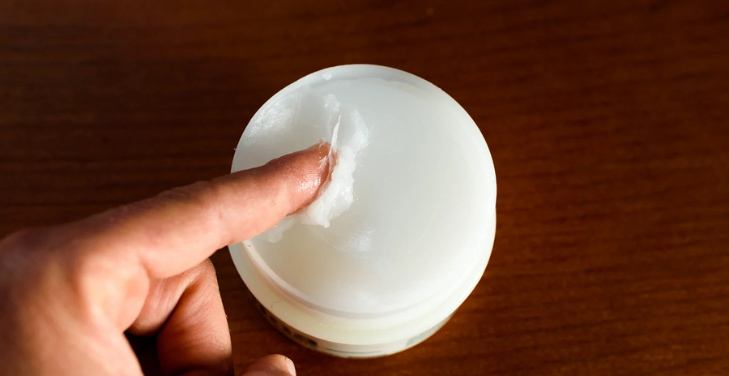
Petroleum jelly creates a protective barrier that helps retain skin moisture and comfort daily.
What Is Petroleum Jelly?
Petroleum jelly is a familiar skin protectant in personal care due to its effective moisture-locking ability and characteristic semi-solid texture. This ingredient appears in many daily skincare products, helping maintain a soft skin surface and a pleasant feeling after use.
Definition and Composition
Petroleum jelly contains a mixture of semi-solid hydrocarbons derived from petroleum refining. After several purification steps, the finished product meets cosmetic standards, appearing white or pale yellow, almost odorless, and highly stable. Its dense structure allows the product to adhere evenly to the skin surface, creating a thin protective film.
Why It Is Considered an Occlusive Ingredient
Petroleum jelly acts as an occlusive, covering the skin surface with a protective film that helps retain water in the stratum corneum. This mechanism helps maintain natural moisture, creating a favorable environment for the skin's protective barrier to function effectively and contributing to a soft, smooth feel.
How Is Petroleum Jelly Made?
The petroleum jelly production process combines modern refining technology and strict quality control standards. Each stage aims to create a highly pure product that meets the requirements for use in the skincare and cosmetics industry.
Origin from Petroleum Refining
Petroleum jelly originates from wax fractions formed during the petroleum refining process. This raw material undergoes several processing steps to separate components suitable for skincare purposes. The manufacturer then further selects and stabilizes the structure to create a semi-solid substance with a smooth and uniform texture.
Purification Process
The refining process uses multiple cleaning steps to remove impurities, unwanted compounds, and components that affect quality. The finished product meets cosmetic standards, possessing stable color, a smooth texture, and the ability to create an effective protective film on the skin surface.
Cosmetic-Grade Versus Industrial-Grade Products
Petroleum jelly used in cosmetics meets stringent safety standards and is suitable for daily skincare. Consumers should prioritize products that clearly state their cosmetic grade, have a transparent origin, and provide complete ingredient information to ensure quality during use.
What Does Petroleum Jelly Do for the Skin?
Petroleum jelly offers many benefits in skincare thanks to its surface protection and moisture retention mechanisms. When used correctly, it helps strengthen the natural protective barrier, keeping the skin soft and healthy.
Forms a Protective Moisture Barrier
Petroleum jelly creates a thin film on the skin's surface, retaining water within the stratum corneum and reducing dryness. This protective layer also helps the skin reduce the impact of wind, dry weather, and friction from daily activities, thus maintaining a longer-lasting feeling of moisture.
Supports the Skin's Natural Repair Process
A sufficiently moist environment promotes the regeneration of the epidermis. Petroleum jelly helps preserve the necessary moisture for the skin's protective barrier to function properly, while also supporting the care of dry, cracked, or peeling skin, making the skin surface softer and more comfortable.
Common Uses of Petroleum Jelly
Petroleum jelly is present in many personal care routines due to its ability to moisturize and protect the skin's surface. The product is suitable for various skin areas, contributing to improved dryness and increased comfort in daily life.
Dry Skin and Cracked Heels
Petroleum jelly helps soften dry skin, calloused heels, and areas prone to dehydration. The moisture-locking film helps maintain softness, creating conditions for smoother skin after regular care.
Chapped Lips
A thin layer of petroleum jelly helps lips maintain moisture, reducing dryness and tightness, and increasing softness. Many people use the product in the evening or before exposure to dry, cold weather for effective lip care.
Minor Cuts and Scrapes
Petroleum jelly helps maintain a moist environment on minor cuts or skin injuries after proper cleaning. This helps protect the skin surface during the recovery phase and provides a comfortable feeling.
Protecting Skin from Friction
Petroleum jelly creates a thin cushion in areas of skin that frequently rub against it, such as the thighs, heels, or areas in contact with clothing. This method of use keeps the skin soft, reduces friction, and enhances comfort during daily activities.
Potential Benefits of Petroleum Jelly
Petroleum jelly offers many practical benefits in daily skincare thanks to its ability to maintain moisture and protect the skin barrier. The product is suitable for many users and can enhance the effectiveness of skincare routines when used correctly.
Moisture Retention
Petroleum jelly retains water in the stratum corneum, helping the skin surface maintain moisture longer after application. The skin becomes soft, supple, and comfortable, especially in areas that are often dry or affected by environmental conditions.
Skin Protection
The film created by petroleum jelly helps cover the skin surface, reducing the effects of friction, wind, and dry air. The natural protective barrier thus functions stably, helping maintain healthy skin in daily life.
Gentle Care for Sensitive Skin
Petroleum jelly has a simple formula with few ingredients, making it suitable for many types of sensitive skin. Its reasonable price and high applicability make it a popular choice for at-home and daily skincare.
Is Petroleum Jelly Safe to Use?
Petroleum jelly has a high safety profile when users choose products that meet cosmetic standards and apply them correctly. Many health organizations and dermatologists use this ingredient in skincare products due to its stability and ability to protect the skin barrier.
Safety Profile for Most People
Petroleum jelly is suitable for many skin types and age groups. The ingredient has an inert structure, is less reactive with the skin surface, and helps maintain moisture and create an effective protective layer during daily skincare.
Importance of Using Purified Products
Cosmetic-grade products undergo a rigorous refining process, meeting quality standards for skincare. Users should prioritize reputable brands, intact packaging, and clear ingredient information.
Situations Requiring Extra Caution
Cleansing the skin area before application helps increase the effectiveness of skincare and maintain hygiene. Individuals with extensive skin lesions, specific skin conditions, or those requiring intensive treatment should consult a healthcare professional to select the appropriate method.
Are There Any Risks or Side Effects?
Petroleum jelly is generally safe for skincare; however, some situations still require caution to achieve optimal results. Choosing a standard product and applying it correctly helps maintain healthy, clean, and comfortable skin throughout use.
Possible Allergic or Irritation Reactions
Some people with particularly sensitive skin may experience itching, redness, or irritation after use. Testing the product on a small area before applying it to a larger area helps assess suitability. Keeping the skin clean before application also contributes to better skincare results.
Acne Concerns for Certain Skin Types
Petroleum jelly creates a moisture-locking film on the skin's surface, so oily or acne-prone skin needs to use an appropriate amount and thoroughly cleanse the skin beforehand. Proper application helps maintain skin breathability while maximizing protection and hydration in your daily skincare routine.
How to Choose and Use Petroleum Jelly
Choosing the right product and applying it correctly helps petroleum jelly achieve optimal skincare results. A few simple principles during use contribute to maintaining hygiene, protecting the skin barrier, and enhancing your daily skincare experience.
Reading Product Labels
Users should prioritize petroleum jelly that is cosmetic-grade, has a clear origin, and complete ingredient information. Intact packaging, a long expiration date, and a reputable brand ensure product quality throughout use.
When and How to Apply It
Petroleum jelly works best when applied to clean, slightly damp skin after showering or washing your face. A thin, even layer on the area needing care effectively moisturizes and provides a long-lasting soft feeling.
Storage and Hygiene Recommendations
Store the product in a dry place, away from high temperatures, and keep the lid tightly closed after each use to maintain quality. Using clean product scoops or thoroughly washed hands contributes to hygiene and supports safe daily skincare.
Conclusion
Petroleum jelly plays a crucial role in skincare due to its ability to lock in moisture, protect the skin barrier, and help maintain a soft skin surface. This ingredient is suitable for many daily needs when users choose products that meet cosmetic standards and follow the instructions correctly.
Carefully reading product labels, using the appropriate amount, and maintaining hygiene during application optimize skincare effectiveness. A healthcare professional will provide suitable solutions when the skin requires assessment or specialized treatment.
Frequently Asked Questions (FAQs)
- Can petroleum jelly clog pores? – Petroleum jelly forms an occlusive barrier that helps reduce moisture loss from the skin. People with oily or acne-prone skin may prefer applying a thin layer only to dry or irritated areas while maintaining a consistent cleansing routine based on their skin type.
- Is petroleum jelly suitable for sensitive skin? – Many people with sensitive skin tolerate petroleum jelly well because it contains few ingredients and helps protect the skin barrier. Applying a small amount to a limited area first can help assess individual skin compatibility.
- Can petroleum jelly help heal cracked skin? – Petroleum jelly helps maintain a moist environment on the skin's surface, which supports the skin's natural repair process. It is commonly used on dry, cracked heels, hands, elbows, and lips to reduce moisture loss and improve skin comfort.
- Should petroleum jelly be applied before or after moisturizer? – Petroleum jelly is generally applied after a moisturizer or to slightly damp skin. This layering method helps seal in moisture and may keep the skin feeling hydrated for a longer period.
- Can petroleum jelly expire? – Petroleum jelly has a long shelf life when stored properly in a cool, dry place with the container tightly closed. Always check the expiration date and avoid using products that show changes in appearance, texture, or odor.
