
Genistein is attracting attention in nutrition and health research because of its phytoestrogen activity and its ability to interact with estrogen receptors. This compound is naturally present in soybeans and many soy-based foods.
The trend of using dietary supplements containing isoflavones and concentrated genistein has increased attention to dosage, side effects, drug interactions, and safety issues. Understanding these factors is crucial for guiding the appropriate use of genistein.
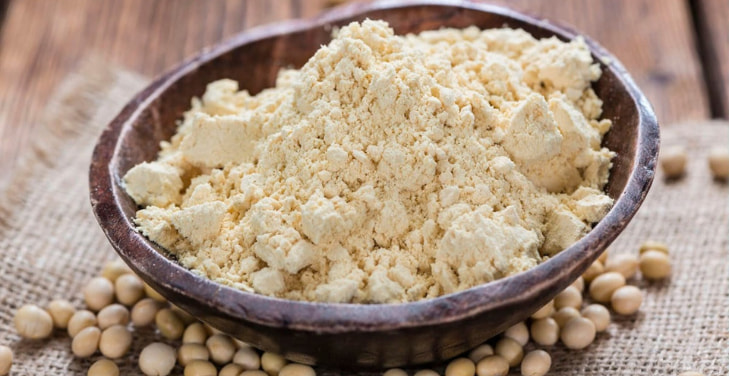
Genistein may cause side effects or interactions, particularly when consumed in concentrated supplement forms.
What Is Genistein?
Genistein is a plant compound belonging to the isoflavone group, naturally present in soybeans and many soy-based foods. This compound has attracted attention in nutrition and health research because it can interact with estrogen receptors and various biological pathways in the body.
Natural Sources of Genistein
Soybeans, tofu, soy milk, miso, and tempeh provide genistein in amounts that vary by soybean variety, processing method, and serving size. The body metabolizes genistein into various metabolites after absorption through the digestive tract.
Dietary Genistein and Supplements
Genistein from food creates an exposure level linked to daily dietary intake. Supplements may contain genistein in concentrated extracts, creating a higher exposure level per serving. Dosage, use frequency, and product composition directly affect the total amount of genistein absorbed.
Common Side Effects of Genistein
Genistein is commonly found in soy-based foods and concentrated supplements. Some people may experience digestive reactions or systemic symptoms during use, especially when genistein intake increases rapidly.
Digestive Symptoms
Genistein can cause bloating, abdominal distension, nausea, or gastrointestinal discomfort. Symptoms often relate to the amount used, individual tolerance, and the supplement's accompanying ingredients.
Headaches and Other Reactions
Some people using genistein may experience headaches or mild discomfort. Reaction severity depends on individual sensitivity, dosage, and how long you use it.
Dose and Individual Sensitivity
Dosage plays a significant role in how likely symptoms are. Products containing concentrated genistein lead to higher exposure per serving, so follow label instructions and monitor your body's reaction to ensure proper use.
Genistein and Hormonal Activity
Genistein is an isoflavone with phytoestrogen activity, meaning it can interact with the body's estrogen system. This property is especially relevant when genistein is present in dietary supplements or concentrated supplements.
Estrogen Receptor Interaction
Genistein can bind to estrogen receptors, particularly estrogen beta receptors. This interaction can affect estrogen-related signaling in various tissues. The degree of impact depends on the genistein concentration, the target tissue, and the individual's biological characteristics.
Phytoestrogen Activity
Phytoestrogens describe plant compounds that can interact with estrogen receptors. Genistein has this property because of its molecular structure and how it interacts with the endocrine system.
Dietary Intake and Supplements
Genistein from food primarily comes from soybeans and soy products. Dietary supplements containing concentrated genistein lead to higher exposure levels, making dose a crucial factor when assessing endocrine effects.
Genistein and Thyroid Health
Genistein is biologically linked to thyroid function through mechanisms involving thyroid hormones and iodine metabolism. This topic is particularly noteworthy in individuals with thyroid disease or those regularly using thyroid medications.
Thyroid Function
Genistein may interact with several biological processes related to thyroid activity. Soy isoflavones are also a focus of research on thyroid hormone metabolism, especially when the diet provides high amounts of isoflavones.
Soy and Iodine Status
Iodine status significantly affects thyroid function. Consider genistein intake from soy foods alongside total iodine intake, thyroid health, and dietary habits.
Thyroid Medications
Individuals taking levothyroxine should pay attention to the timing of medication intake and soy-based foods, as dietary components may affect drug absorption. Maintaining a consistent medication schedule helps support thyroid hormone control.
Genistein and Medication Interactions
Genistein has biological activity related to estrogen and several drug-metabolizing enzymes, so the use of concentrated supplements should be considered in conjunction with the list of medications being taken. The extent of interaction depends on the genistein dose, the medication's pharmacological properties, and the individual's health condition.
Hormon-Related Medications
Genistein may interact with estrogen receptor mechanisms. Individuals undergoing hormone therapy or medications affecting estrogen should consult their doctor before taking high doses of genistein.
Thyroid Medications
Soy products may affect levothyroxine absorption when taken close to the time of taking medication. Individuals being treated for hypothyroidism should maintain an appropriate interval between doses as directed by their healthcare provider.
Prescription Drug Considerations
Genistein may affect several enzymes and transporters involved in drug metabolism. Providing a complete list of medications, supplements, and dosages helps healthcare professionals assess interaction risk more accurately.
Genistein and Cancer-Related Considerations
Genistein has received considerable attention in cancer research due to its potential interaction with estrogen receptors and signaling pathways related to cell proliferation.
Hormon-Sensitive Cancers
Genistein is particularly studied in hormone-sensitive breast cancer. Cell and animal studies have documented various biological mechanisms, while human data suggest a multifactorial association between soy isoflavone intake and cancer outcomes.
Laboratory Findings and Human Evidence
Laboratory studies show that genistein influences cell proliferation, apoptosis, and various signaling pathways. Clinical data currently focus heavily on isoflavones and soy-based foods, with several observational studies noting an association with lower recurrence rates in breast cancer survivors.
Individual Medical History
Individuals with hormone-sensitive cancers should discuss genistein supplementation with their doctor before using it. The type of cancer, hormone receptor status, treatments, and medications being used all influence the decision to supplement.
Genistein During Pregnancy and Breastfeeding
Genistein has phytoestrogen activity and can cross the placenta and appear in breast milk. Current data focuses heavily on soy isoflavones, while information specifically on concentrated genistein supplements during pregnancy and breastfeeding is limited.
Pregnancy Considerations
During pregnancy, women may be exposed to genistein through soy-based foods. The NCCIH recommends caution with higher-than-usual soy intake because safety data are limited at this exposure level.
Breastfeeding Exposure
Genistein and its isoflavone metabolites may appear in breast milk after maternal soy consumption. One study showed increased isoflavone levels in breast milk after consuming soy-based beverages.
Supplement Guidance
Concentrated genistein products create higher exposure levels than typical dietary intake. Pregnant or breastfeeding women should consult with a healthcare professional before using supplements containing genistein.
Who Should Use Caution With Genistein?
Genistein has phytoestrogen activity and the potential to interact with certain endocrine processes, so certain groups of people need to carefully consider the risks before using concentrated supplements. Individual assessment based on underlying medical conditions, medications, and genistein dosage helps guide safer use.
Hormon-Sensitive Conditions
Individuals with estrogen-sensitive conditions should consult a healthcare professional before using high doses of genistein. Because it interacts with estrogen receptors, medical history is an important factor in the assessment process.
Thyroid Disorders
Individuals with thyroid disorders should exercise caution when using genistein or concentrated isoflavone products. Thyroid function, dietary iodine intake, and medications all affect appropriate use.
Medication Users
Individuals taking hormone medications, levothyroxine, or other prescription medications related to estrogen metabolism should check for potential interactions before supplementing with genistein. A doctor or pharmacist can review your full list of medications and supplements to determine what's appropriate.
Genistein Supplements and Dosage Concerns
Genistein is present in soy-based foods and many concentrated supplement products. When using supplements, the total amount of genistein absorbed depends on the amount per serving, how often you take it, and other isoflavone sources in your diet.
Food Sources and Concentrated Extracts
Soybeans, tofu, tempeh, and soy milk provide genistein along with many other isoflavones in a complete food base. Genistein capsules or extracts deliver a concentrated dose in a small serving, so users should check product labels carefully.
Dose and Total Exposure
The dose determines genistein exposure and affects the likelihood of adverse reactions. Users should follow the manufacturer's instructions, monitor total isoflavone intake from multiple sources, and avoid increasing the dose on their own.
Supplement Quality
Products with clear origins, transparent ingredient information, and specific dosage instructions help users control their genistein intake. Healthcare professionals can help determine the appropriate dose based on existing medications and health conditions.
How to Use Genistein More Safely
Using genistein more safely begins with identifying its source, dosage, and intended use. Genistein from food often comes with many other nutrients, while supplements provide a more concentrated dose of the active ingredient.
Prioritize Food Sources
Soybeans, tofu, tempeh, and soy milk provide genistein in the daily diet. Appropriate serving sizes help control total isoflavone intake and maintain nutritional balance.
Choose Quality Supplements
When using supplements, choose products with clear origins, transparent ingredient labels, and specific dosage instructions. Checking the genistein content per serving helps control consumption effectively.
Review Medications
Individuals taking hormone medication, levothyroxine, or other prescription medications should consult their doctor or pharmacist before supplementing with genistein. Healthcare professionals can assess current medications, underlying medical conditions, and additional dosages to develop an appropriate treatment plan.
Conclusion
Genistein is an isoflavone with phytoestrogen activity, present in soybeans and many soy-based foods. This compound may affect the endocrine system, thyroid gland, and drug metabolism in some individuals.
Using genistein supplements requires careful consideration of dosage, underlying medical conditions, medications, and health goals. Pregnant women, breastfeeding mothers, or those with hormone sensitivities should consult a healthcare professional before supplementation.
Frequently Asked Questions (FAQs)
- Can Genistein Cause Side Effects? – Genistein may cause bloating, abdominal distension, nausea, headache, or discomfort in some people. The severity of the reaction depends on the dose, individual sensitivity, and product form, especially with concentrated supplements.
- Does Genistein Affect Hormones? – Genistein has phytoestrogen activity and may interact with estrogen receptors in the body. This property makes genistein a subject of concern when used in people with hormone-sensitive conditions or those undergoing estrogen-related therapy.
- Can Genistein Affect Thyroid Function? – Genistein and soy isoflavones may affect thyroid biological processes. People with thyroid disease should pay attention to their iodine intake, diet, and timing of supplement or medication use.
- Does Genistein Interact With Medications? – Genistein may affect several mechanisms related to hormones and drug metabolism. Individuals using levothyroxine, hormone therapy, or other prescription medications regularly should consult their doctor or pharmacist before taking genistein supplements.
- Is Genistein Safe During Pregnancy? – Data on concentrated genistein supplements during pregnancy is limited. Pregnant and breastfeeding women should consult a healthcare professional before using products containing high levels of genistein or isoflavones.
