
Annatto is a naturally occurring food coloring with a distinctive orange-yellow hue, found in many common foods. However, its plant origin and carotenoid pigments like bisine and norbisine pose significant health risks.
In some sensitive individuals, annatto can trigger allergic reactions, cause digestive upset, or irritate the skin. The level of exposure, tolerance, and the form of the extract determine the potential risks, especially with frequent use of concentrated products.
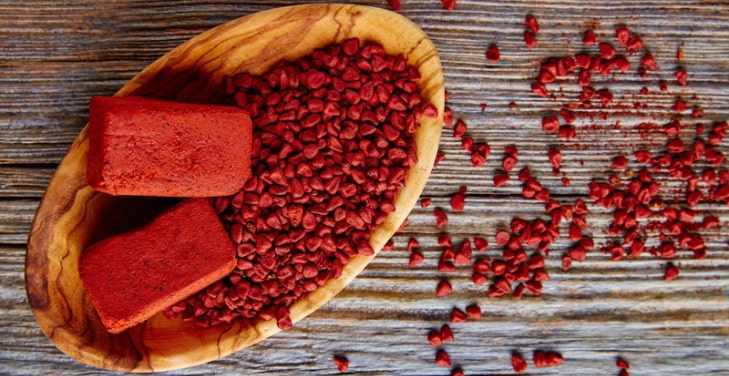
Annatto is a natural food coloring that may cause allergic reactions and other adverse effects in sensitive individuals.
What Makes Annatto a Potential Health Concern?
Annatto is a natural coloring agent containing biologically active carotenoid pigments. Pigment concentration, exposure level, and individual tolerance determine the potential health risks.
Bixin and Norbixin as Primary Active Compounds
Bixin and norbixin are two carotenoid pigments that give annatto its orange-yellow color. They have antioxidant activity and determine the coloring agent's properties. Tolerance to these two compounds varies depending on individual physiology and exposure levels.
Natural Annatto Pigments and Concentrated Extracts
Annatto extracts contain varying amounts of pigment depending on the raw material and processing method. Concentrated products increase the amount of bixin and norbixin entering the body, which may affect tolerance in sensitive individuals.
Differences Between Culinary Exposure and Supplemental Intake
Annatto in food typically provides small amounts of pigment through dietary intake. Dietary supplements may contain high concentrations of extracts, increasing exposure levels and the risk of adverse reactions.
Common Side Effects of Annatto
Annatto can cause several adverse reactions depending on individual constitution, consumption amount, and sensitivity. Common manifestations involve the digestive system, skin, and physical condition, especially with exposure to extracts with high pigment concentrations.
Digestive Discomfort and Stomach Pain
Some people may experience bloating, abdominal pain, or epigastric discomfort after consuming annatto. These symptoms are often related to individual tolerance and the amount of extract entering the digestive tract.
Nausea and Changes in Bowel Movements
Annatto may cause nausea, loose stools, or changes in bowel movements in sensitive individuals. These manifestations affect digestive function and may last depending on the body's reaction.
Headaches and General Discomfort
Some cases may experience headaches, fatigue, or general discomfort after exposure to annatto. The severity of the reaction depends on individual sensitivity.
Skin Irritation and Itching
Annatto can trigger skin reactions in sensitive individuals, causing itching, redness, or rashes. Symptoms usually appear at the point of contact or accompany an allergic reaction after consumption.
Allergic Reactions to Annatto
Annatto can trigger allergic reactions in people whose immune systems are sensitive to the components in this coloring agent. Allergic manifestations range from skin symptoms to respiratory disorders and systemic reactions. Severity depends on individual susceptibility, exposure level, and immune response.
Symptoms of Annatto Allergy
Annatto allergies can cause itching, redness, rashes, nausea, or lip swelling. Symptoms usually appear after consuming foods containing annatto, reflecting the body's immune response to the allergen.
Skin Rashes, Hives, and Swelling
Skin reactions can include hives, intense itching, and swelling of the face, lips, or eyelids. These reactions can spread, cause discomfort, and require medical evaluation if symptoms worsen.
Respiratory Symptoms and Breathing Difficulties
Some allergic reactions may present with sneezing, coughing, wheezing, or a feeling of tightness in the airways. These respiratory symptoms require special attention as they may signal a severe allergic reaction.
Severe Allergic Reactions and Anaphylaxis
Anaphylaxis is an acute allergic reaction that can cause a drop in blood pressure, swelling of the tongue, difficulty breathing, and loss of consciousness. This life-threatening condition requires immediate epinephrine administration and emergency medical attention.
Can Annatto Cause Digestive Problems?
Annatto can cause digestive problems in individuals with sensitivities or poor tolerance to the components in the extract. The degree of impact depends on the amount consumed, the concentration of pigments, and the state of gut health.
Stomach Irritation and Abdominal Discomfort
Some people may experience gastrointestinal irritation, abdominal pain, or a burning sensation in the upper abdomen after consuming annatto. These symptoms are often accompanied by bloating, gas, and prolonged discomfort after meals.
Nausea and Diarrhea
Annatto can cause nausea, loose stools, or diarrhea in sensitive individuals. These symptoms can affect digestion and nutrient absorption, especially with concentrated extracts.
Individual Sensitivity to Annatto Extracts
Tolerance to annatto varies among individuals. Some people may experience digestive symptoms immediately after exposure to small amounts, while others only experience discomfort when consuming products containing high concentrations of the extract.
Factors Influencing Digestive Tolerance
The amount of annatto consumed, the concentrations of bixin and norbixin, gut health, and individual sensitivity all affect tolerance. These factors determine the severity and duration of digestive symptoms.
Potential Risks of Excessive Annatto Consumption
Consuming large amounts of annatto may increase exposure to carotenoid pigments and other components in the extract. Health risks depend on product concentration, frequency of use, and individual tolerance.
High Exposure to Concentrated Annatto Extracts
Concentrated annatto extracts can provide significant amounts of bixin and norbixin per serving. Frequent use at high concentrations may increase the risk of digestive discomfort, irritation, and hypersensitivity reactions in sensitive individuals.
Uncertainty Surrounding Long-Term Excessive Intake
Scientific data on the long-term effects of excessive annatto consumption are limited. The extent of prolonged exposure, pigment metabolism, and cumulative reactions require further research to determine appropriate safe limits.
Differences in Safety Between Food Coloring and Supplements
Annatto in food is typically present in controlled amounts according to additive regulations. Supplements may contain concentrated extracts, increasing the total amount of pigment consumed and raising further concerns about dosage, purity, and tolerability.
Annatto and Medication Interactions
Annatto may pose some interaction issues when users combine foods containing this coloring agent with prescription medications or supplements. Extract content, frequency of use, and individual health conditions are factors to consider when assessing safety.
Potential Interactions with Prescription Medications
Interactions between annatto and prescription medications should be evaluated cautiously because clinical data are limited. Individuals taking long-term medications should discuss the inclusion of annatto concentrate in their daily regimen with their doctor.
Considerations for People Taking Multiple Supplements
Combining annatto with multiple supplements may increase overall exposure to bioactive compounds. Users of vitamins, herbs, and plant extracts should check ingredients and dosages to minimize the risk of adverse reactions.
Limited Clinical Evidence on Specific Interactions
Clinical studies currently lack sufficient data on interactions between bixin, norbixin, and specific drug classes. Individuals with chronic conditions should consult a healthcare professional before using annatto as a concentrated extract or dietary supplement.
Who Should Avoid Annatto?
Annatto can cause adverse reactions in certain groups of people with sensitivities or specific health conditions. Assessing allergy history, tolerance, and usage needs helps determine the safety level when exposed to this coloring agent.
Individuals with Known Annatto Allergies
Individuals who have experienced hives, itching, lip swelling, or difficulty breathing after contact with annatto should avoid products containing this ingredient. An allergy history helps identify the risk of serious reactions, including anaphylaxis.
People with Sensitive Digestive Systems
Individuals who frequently experience stomach pain, diarrhea, or digestive disorders may be sensitive to annatto extract. This group should use caution with products containing concentrated pigment to minimize discomfort.
Pregnant and Breastfeeding Individuals
Pregnant and breastfeeding women should pay attention to the source and amount of annatto in dietary supplements. Safety data on concentrated extracts at these stages is limited, so consulting a doctor is essential to protect the health of both mother and baby.
Children and Individuals with Underlying Health Conditions
Children and individuals with chronic illnesses require careful consideration of their annatto exposure. Age, metabolic status, allergy history, and existing products all affect tolerance.
Is Annatto Safe During Pregnancy and Breastfeeding?
The use of annatto during pregnancy and breastfeeding should be considered based on consumption levels, product form, and maternal health status. The pigments bixin and norbixin are the active components of annatto, while data on the effects of concentrated extracts on mother and infant are limited.
Safety of Ordinary Dietary Exposure
Annatto is commonly found in small amounts in cheeses, butter, and processed foods. Typical dietary exposure levels generally fall within the regulated additive usage range, subject to applicable food safety regulations.
Limited Evidence on Concentrated Extracts
Concentrated annatto extracts may provide significant amounts of carotenoid pigments. Studies on the effects of high concentrations on fetal development and breastfeeding infant health are limited, making further scientific evidence needed for risk assessment.
Precautions When Using Annatto Supplements
Pregnant and breastfeeding women should consult their doctor before using supplements containing annatto. Checking the ingredients, extract concentration, and dosage helps minimize the risk of overexposure and choose a suitable product.
How to Reduce the Risks of Annatto Side Effects
Controlling exposure to annatto helps limit the risk of allergies, digestive irritation, and adverse reactions associated with the concentrated extract. Choosing products, monitoring dosage, and recognizing unusual signs are crucial for safe use.
Check Food and Supplement Ingredient Labels
Carefully reading ingredient labels helps identify annatto, bixin, and norbixin in food or dietary supplements. People with a history of allergies should watch for related names and check ingredients before each use.
Choose Reputable Food-Grade Products
Prioritize products with clear origins, quality standards, and transparent ingredient information. These factors help control purity, pigment concentration, and the risk of contaminant exposure.
Avoid Excessive Consumption of Concentrated Extracts
Using annatto extract according to dosage guidelines helps limit excessive exposure. Consult a healthcare professional before combining multiple products containing the same ingredient.
Recognize Early Signs of Adverse Reactions
Monitor for itching, rash, abdominal pain, or nausea to help detect adverse reactions early. If shortness of breath, swelling of the tongue, or dizziness occurs, the patient should use epinephrine if prescribed and call emergency services immediately.
Conclusion
Annatto is a valuable natural food coloring agent, with bixin and norbixin being its characteristic carotenoid pigments. However, some people may experience allergies, skin irritation, or digestive disorders when exposed to this ingredient.
Limiting intake, choosing products from reputable sources, and monitoring for allergic reactions can help reduce risk. Pregnant women, children, and individuals with a history of allergies should consult a healthcare professional before using concentrated annatto extract.
Frequently Asked Questions (FAQs)
- Can Annatto Cause Allergic Reactions? – Annatto may trigger allergic reactions in sensitive individuals. Symptoms can include itching, hives, skin rashes, lip swelling, and difficulty breathing. Severe reactions, including anaphylaxis, require immediate emergency medical attention.
- What Are the Common Side Effects of Annatto? – Annatto may cause abdominal pain, bloating, nausea, diarrhea, headaches, and skin irritation in some people. The severity of these effects depends on individual sensitivity, the amount consumed, and tolerance.
- Can Excessive Annatto Consumption Be Harmful? – Excessive annatto consumption, particularly from concentrated extracts, may increase exposure to bixin and norbixin. Research on the long-term effects of excessive intake remains limited, so concentrated preparations should be used according to product instructions.
- Is Annatto Safe During Pregnancy? – Annatto used as a food coloring or culinary ingredient generally provides small amounts of pigment per serving. Pregnant individuals should exercise caution with concentrated annatto extracts and supplements because pregnancy safety data remain limited. Consult a healthcare professional before using these products.
- Can Annatto Interact With Medications? – Clinical evidence regarding interactions between annatto and medications remains limited. People taking prescription medications regularly or using multiple supplements should consult a doctor or pharmacist before adding concentrated annatto extracts to their routine.
