
The use of herbs in daily diets is gaining increasing attention due to their potential to provide bioactive plant compounds. Anise hyssop (Agastache foeniculum) stands out for its distinctive aroma and many uses in herbal teas and traditional cuisine.
However, consumption levels, essential oil concentrations, and safety remain important considerations. Understanding appropriate dosages helps control risks and maintain a healthy habit of using anise hyssop.
Daily anise hyssop intake depends on preparation strength, serving size, individual tolerance, and product quality.
What Is Anise Hyssop?
Anise hyssop (Agastache foeniculum) is a perennial herb belonging to the Lamiaceae family, with a distinctive aroma reminiscent of anise and mint. This plant is native to North America and typically grows in sunny areas. Its leaves, flowers, and young stems are used in cooking, herbal teas, and traditional health applications.
Botanical Characteristics
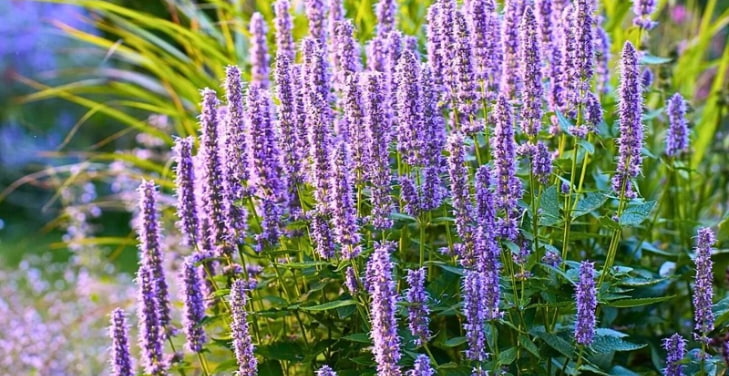
Anise hyssop has an upright stem, oval leaves with serrated edges, and small clusters of bluish-purple flowers. It usually blooms in summer, attracting bees and butterflies. The leaves release a distinct aroma when lightly crushed.
Traditional Culinary and Herbal Uses
Fresh and dried leaves are commonly used to make tea and to flavor salads, desserts, and beverages. In folk medicine, anise hyssop is used in remedies to aid digestion, soothe the throat, and support respiratory health.
Main Aromatic Compounds
Anise hyssop essential oil contains estragole, anethole, and many terpene compounds. These components create the characteristic aroma and also exhibit biological activity in experimental studies. The essential oil's composition varies by plant species, growing conditions, and extraction method.
How Much Anise Hyssop Per Day Is Recommended?
The appropriate daily amount of anise hyssop depends on the form used, concentration, and individual tolerance. Currently, scientific literature has not established an official daily dose for Agastache foeniculum. For healthy adults, small amounts in the diet and herbal teas are preferred, along with monitoring the body's response.
Recommended Daily Amount
In culinary applications, adults can start with approximately 1–2 teaspoons of dried leaves (1–2 g) per day or 5–10 g of fresh leaves. This is a reference amount for food use, not a clinically validated therapeutic dose.
Traditional Herbal Dosage
Some traditional herbal practice literature suggests 3–5 g of dried anise hyssop per 240 ml of hot water, up to 3 times per day. This amounts to approximately 9–15 g of dried leaves per day. This is a reference level based on traditional usage experience, not a dosage confirmed by clinical trials.
Factors Influencing Daily Intake
Age, sensitivity to essential oils, health condition, and raw material quality all affect the appropriate amount to use. Adults should start with a low dose, preferably using leaves in food, and adjust based on tolerance.
Daily Anise Hyssop Intake by Preparation
The daily intake of anise hyssop varies depending on the form of the ingredient and the processing method. Fresh leaves, dried leaves, herbal teas, and extracts all have different concentrations, which directly affects how much plant compounds the body absorbs.
Fresh and Dried Anise Hyssop Leaves
Adults can use approximately 5–10 g of fresh leaves or 1–2 g of dried leaves daily in their diet. Fresh leaves are suitable for salads, dishes, and beverages, while dried leaves are convenient for storage and portioning.
Herbal Tea and Infused Beverages
Anise hyssop tea can be made with about 1–2 g of dried leaves in 200–250 ml of hot water per serving. Users can drink 1–2 cups per day, depending on the concentration and tolerance.
Extracts, Tinctures, and Concentrated Products
Extracts and tinctures contain varying levels of active ingredients depending on the manufacturing process. Users should follow the dosage instructions on the product label and choose products with clear usage instructions. Anise hyssop essential oil is highly concentrated and requires professional evaluation before oral use.
How Much Anise Hyssop Tea Can You Drink Daily?
Adults can start with 1–2 cups of anise hyssop tea per day, using about 1–2 g of dried leaves per cup with 200–250 ml of hot water. The appropriate amount depends on the desired strength, frequency of use, and individual tolerance. Currently, studies have not determined a daily limit for anise hyssop tea consumption.
Typical Tea Preparation and Serving Size
Add 1–2 g of dried leaves to a teapot, and add 200–250 ml of hot water to make one serving of tea. Users can adjust the amount of leaves according to their desired flavor and strength.
Recommended Steeping Time
Steep the leaves for about 5–10 minutes; cover to retain volatile aromatic compounds. Then, strain and enjoy while the tea is still warm.
Daily Drinking Frequency and Tolerance
Starting with 1 cup per day helps assess your body's tolerance. Adults can maintain 1–2 cups/day when feeling comfortable. Long-term use requires attention to digestive reactions, allergies, and the total amount of herbs consumed.
Potential Benefits of Moderate Anise Hyssop Consumption
Anise hyssop contains many bioactive plant compounds, particularly flavonoids, phenolics, and essential oil components. Moderate consumption can supplement plant-based antioxidants and support digestive and respiratory health.
Antioxidant Activity
Phenolic and flavonoid compounds in anise hyssop demonstrate antioxidant activity in experimental studies. They help neutralize free radicals, protect cells against oxidative stress, and maintain biological balance.
Traditional Digestive Applications
Anise hyssop tea is often found in traditional herbal applications to aid digestion. The aroma from the essential oils and plant compounds can contribute to a pleasant feeling after meals.
Throat and Respiratory Comfort
Anise hyssop has traditionally been used in herbal teas for those with dry throats or respiratory discomfort. The warmth of the tea helps soothe the throat and rehydrate the body. The therapeutic benefits still require further clinical research to confirm.
Factors That Affect Anise Hyssop Dosage
The appropriate daily amount of anise hyssop depends on individual physiological characteristics, health status, and usage patterns. These factors influence tolerance to aromatic compounds, exposure to essential oils, and the body's reaction to regular consumption.
Age and Individual Sensitivity
Age affects the ability to metabolize and tolerate plant compounds. Adults should start with small amounts, about 1 g of dried leaves per day. Children and the elderly require a safety assessment based on their individual health conditions.
Preparation Method and Concentration
Tea brewed from 1–2 g of dried leaves in 200–250 ml of hot water is relatively mild. Extracts and essential oils contain concentrated components and require careful dosage control.
Health Conditions and Medication Use
Gastrointestinal disorders, allergy history, and liver function can affect the tolerance of herbs. People currently taking medication should consult a healthcare professional to assess the risk of interactions and determine the appropriate dosage.
Anise Hyssop Side Effects From Excessive Intake
Consuming large amounts of anise hyssop can increase the risk of adverse reactions due to excessive exposure to aromatic compounds and essential oil components. The degree of impact depends on the amount used, the concentration of the preparation, and individual sensitivity.
Digestive Discomfort
Excessive amounts of tea or herbal leaves can cause gastrointestinal discomfort, including nausea, abdominal pain, and digestive upset. Monitor these symptoms when increasing daily use.
Allergic Reactions
Some people with sensitivities to plants in the Lamiaceae family may experience itching, rashes, hives, or lip swelling. Serious reactions such as difficulty breathing and throat swelling require immediate medical attention.
Risks of Concentrated Essential Oils
Anise hyssop essential oil contains high concentrations of volatile compounds that can irritate mucous membranes and cause toxic reactions when used improperly. In particular, estragole in some preparations requires monitoring of long-term exposure levels. Oral administration of essential oils requires professional guidance.
Who Should Limit or Avoid Anise Hyssop?
Anise hyssop contains aromatic compounds and essential oils that may cause reactions in sensitive groups. Health status, age, and physiological characteristics determine the safety level when using this herb.
Pregnant and Breastfeeding Individuals
Pregnant and breastfeeding women should be cautious when using anise hyssop for herbal purposes. Data on the effects of the plant's compounds on the fetus and breastfeeding infants are currently limited. This group should consult a doctor before regular use.
Children and People With Herb Allergies
Young children have metabolic systems and essential oil tolerances specific to their age. People allergic to plants in the Lamiaceae family should be aware of the risk of itching, rashes, and hypersensitivity reactions.
Individuals with Chronic Conditions
Individuals with liver disease, digestive disorders, or those taking medication should consult a healthcare professional before supplementing with anise hyssop. Assessing their medical history and medications will help determine appropriate safety levels.
Tips for Using Anise Hyssop Safely Every Day
Using anise hyssop correctly helps control intake, minimize irritation, and maintain a healthy herbal supplement routine. Users should pay attention to the source of the ingredients, processing methods, and their body's reactions during use.
Choose Food-Grade Anise Hyssop
Prioritize anise hyssop leaves with a clear origin and accurate identification as Agastache foeniculum. Choose clean, properly stored products that meet food-grade standards to minimize contamination risk.
Follow Product Instructions
For teas and extracts, follow the manufacturer's instructions regarding serving size and concentration. Essential oils contain high levels of volatile compounds; consult a professional before oral use.
Start With Small Amounts
Begin with about 1 gram of dried leaves per day or one diluted cup of tea. Monitor digestive, skin, and respiratory reactions during use. Adjust the dosage based on individual tolerance and health condition.
Conclusion
Anise hyssop offers a distinctive herbal flavor and plant compounds with potential antioxidant properties that may support digestive health. Adults can start with 1–2 g of dried leaves daily or 1–2 cups of diluted tea to assess tolerance.
Choosing quality ingredients, controlling portion sizes, and paying attention to your body's reaction helps you use anise hyssop safely.
Frequently Asked Questions (FAQs)
- How Much Anise Hyssop Should You Take Daily? – Adults may start with approximately 1–2 g of dried anise hyssop leaves daily as a culinary ingredient or in herbal tea. This amount is a general reference because research has not established a standardized daily dosage or confirmed the long-term safety of regular medicinal use.
- How Many Cups of Anise Hyssop Tea Can You Drink Daily? – Adults may start with 1–2 cups of anise hyssop tea daily, using approximately 1–2 g of dried leaves per 200–250 ml of hot water. Steep the leaves for 5–10 minutes to release their aroma. The appropriate amount depends on individual tolerance and health conditions.
- Can You Drink Anise Hyssop Tea Every Day? – Healthy adults may drink anise hyssop tea regularly in moderation. Individual tolerance, digestive reactions, and possible allergic symptoms should guide consumption. Evidence confirming the long-term safety of daily use remains limited.
- What Happens If You Consume Too Much Anise Hyssop? – Excessive anise hyssop consumption may cause nausea, abdominal pain, digestive discomfort, or allergic reactions. Concentrated essential oils carry additional risks of irritation and toxicity when swallowed, particularly in large amounts.
- Is Anise Hyssop Safe During Pregnancy? – The safety of anise hyssop during pregnancy has not been adequately established. Pregnant individuals should consult a healthcare professional before using it medicinally, especially in the form of extracts or concentrated essential oils.
