
Anise contains anethole and other bioactive plant compounds that support digestion, offer antioxidant benefits, and support respiratory health. This aromatic herb is also found in many traditional tea recipes and daily diets.
However, the amount of anise consumed plays a crucial role in its safety. So, how much anise should you consume daily to reap health benefits and control the risk of side effects?
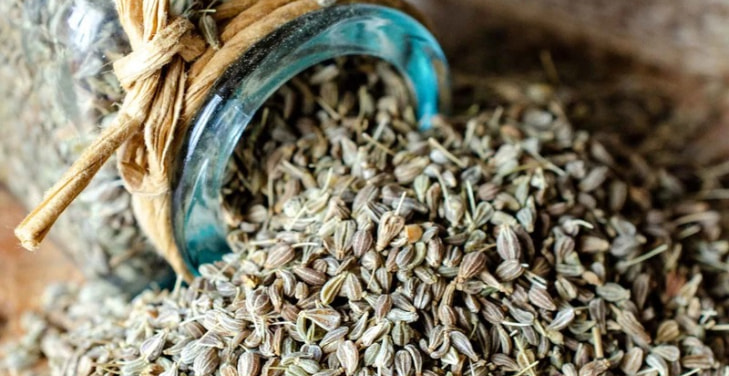
Daily anise intake depends on preparation methods, individual needs, and the concentration of active plant compounds.
What Is Anise?
Anise is a fragrant herb widely used in cuisine, traditional medicine, and health supplements. Anise seeds contain many bioactive plant compounds, especially anethole, the component that gives this spice its characteristic sweet, warm aroma and contributes to its health benefits.
Botanical Name and Plant Characteristics
Anise, scientifically known as Pimpinella anisum, belongs to the Apiaceae family (Umbelliferae family). It is an annual herbaceous plant with green leaves and small white flower clusters. The dried fruit contains anise seeds with a distinctive aroma and is often harvested for use in food and herbal teas.
Traditional Uses and Applications
In many traditional medicine systems, anise aids digestion, reduces bloating, and soothes respiratory discomfort. Anise seeds are also found in baked goods, beverages, herbal teas, and spice recipes.
Main Active Compounds
Anethole is the main aromatic compound in anise essential oil and contributes to the plant's characteristic flavor and biological activity. Anise also contains flavonoids, phenolic compounds, and antioxidants, which contribute to its nutritional value and potential healthcare applications.
How Much Anise Per Day Is Recommended?
The appropriate daily amount of anise depends on the form of use, age, and health purpose. For healthy adults, the recommended dose in traditional herbal preparations is usually between 3–9 g of dried anise per day, divided into several servings.
Recommended Daily Amount
Adults can use approximately 1–3 g of ground anise per serving, up to 3 times per day. The total amount is approximately 3–9 g/day, usually consumed as tea or herbal infusion.
Culinary Intake vs. Medicinal Use
When using anise as a spice, the amount you consume usually depends on the recipe and your portion size. For health support purposes, the European Medicines Agency (EMA) recommends a reference intake of 1–3.5 g of dried anise per serving, brewed with 150 ml of boiling water, up to 3 times per day. Traditional courses last up to 2 weeks.
Factors Influencing Daily Intake
Age, health condition, sensitivity to anethole, and the form of the preparation determine the appropriate amount of anise. The above guidelines apply to adults and adolescents over 12 years of age. Anise essential oil is highly concentrated; professional guidance is required for oral use.
Daily Anise Dosage by Preparation
The daily dose of anise varies by processing method, grinding level, and anethole concentration. Determining the right amount helps control consumption, maintain tolerance, and support health care goals.
Whole or Ground Anise Seeds
Adults can use approximately 3–9 g of dried anise seeds daily, divided into 2–3 servings. Whole seeds work well in dishes and herbal infusions. Ground seeds release aromatic essential oils, especially anethole, during preparation.
Anise Tea and Infusions
For each tea infusion, use 1–3.5 g of ground anise seeds with 150 ml of boiling water. Adults can drink up to 3 times daily according to the traditional EMA usage guidelines.
Anise Extracts and Essential Oils
The concentration of active ingredients in anise extracts varies by manufacturing technology and supplier instructions. Anise essential oil contains a high concentration of anethole; therefore, follow professional dosage guidelines and use products that meet food or pharmaceutical standards.
How Much Anise Tea Can You Drink Daily?
Anise tea is an herbal beverage made from Pimpinella anisum seeds and contains anethole and other aromatic plant compounds. The amount you can drink daily depends on the amount of seeds, the volume of water, and how often you use it.
Recommended Daily Servings
Adults can drink about 2–3 cups of anise tea per day, using 1–3.5g of dried anise seeds per cup with 150ml of boiling water. The total amount of seeds used is approximately 3–10.5g/day, depending on the amount used per serving.
Tea Preparation Method
Lightly grind the anise seeds, add them to boiling water, and cover for 10–15 minutes to extract the aromatic oils. Then, strain and enjoy while the tea is still warm.
Factors Affecting Tea Strength
Steeping time, seed size, and water temperature determine tea strength. Adults should maintain the recommended dosage of the herbal remedy, up to three times per day, while monitoring their body's tolerance.
Potential Benefits of Regular Anise Consumption
Anise provides anethole, flavonoids, and phenolic compounds with notable biological activity. Adding anise seeds to the diet may support several physiological functions, particularly related to digestion, antioxidant activity, and respiratory health.
Digestive Comfort and Bloating Relief
Anethole in anise has shown antispasmodic activity in experimental studies, helping relax smooth muscle in the digestive tract. Anise tea is often used traditionally to help relieve bloating, gas, and indigestion.
Antioxidant Activity
Anise contains flavonoids and phenolic compounds that neutralize free radicals. These components help protect cells from oxidative stress and support the body's natural antioxidant mechanisms.
Respiratory and Women's Health
Anise has a history of use in herbal preparations to aid in coughs and expectoration. Additionally, the estrogen-like activity of anethole provides a basis for research into its potential to support some symptoms related to the menstrual cycle and menopause. These benefits still require further clinical trials to determine their effectiveness in humans.
Factors That Affect Anise Dosage
The appropriate daily dose of anise depends on several physiological factors and the preparation's characteristics. Age, health status, tolerance, and anethole concentration all affect safe consumption levels. Considering these factors helps personalize usage and limit the risk of side effects.
Age and Individual Sensitivity
Age determines the ability to metabolize and tolerate plant compounds. Healthy adults typically consume about 3–9 g of dried anise seeds daily in traditional preparation. Children require appropriate dosage guidance from a healthcare professional.
Health Conditions and Medication Use
Health conditions, especially those related to hormones, liver, and the digestive system, can affect the decision to use anise. Individuals taking long-term medications should consult their doctor to assess the risk of interactions.
Product Concentration and Preparation Quality
Anethole content varies by source material, storage method, and extraction process. Whole seeds, anise powder, tea, and essential oils have different concentrations of active ingredients, so adjust the amount used to the specific preparation form.
Anise Side Effects From Excessive Intake
Anise contains anethole and many bioactive aromatic compounds. Consuming too much anise or using concentrated preparations for extended periods can cause adverse reactions, especially in sensitive individuals. The degree of impact depends on the dosage, frequency, and product form.
Nausea and Digestive Discomfort
High amounts of anise can cause nausea, abdominal discomfort, and digestive upset. Essential oils containing high concentrations of anethole can also irritate the digestive tract when taken orally.
Allergic Reactions and Skin Irritation
Some people may have allergic reactions to anise, including itching, rashes, hives, or lip swelling. Individuals sensitive to plants in the Apiaceae family should pay particular attention to these symptoms.
Risks of Concentrated Essential Oil
Anise essential oil has a high concentration of active ingredients, making it toxic when used in excessive amounts. Severe exposures can result in seizures, neurological effects, and systemic reactions, requiring immediate medical attention.
Who Should Be Careful With Daily Anise?
Anise contains anethole and other bioactive plant compounds that may trigger allergic reactions, affect hormone activity, and influence tolerance. Certain groups should use anise with caution, especially in extracts or concentrated essential oils.
Pregnant and Breastfeeding Individuals
Pregnant women should consult their doctor before using anise for therapeutic purposes or as a high-dose supplement. Breastfeeding women should also use concentrated preparations cautiously because safety data are limited on how much anethole transfers into breast milk.
People With Hormone-Sensitive Conditions
Anethole has shown estrogen-like activity in some experimental studies. Individuals with hormone-sensitive breast cancer, uterine fibroids, or endometriosis should discuss with their doctor before using anise regularly.
Children and Individuals with Spice Allergies
Young children require professional guidance on appropriate dosage and formulation. People with a history of allergies to anise, dill, celery, or parsley should watch for reactions such as itching, hives, and lip swelling when they use this herb.
Tips for Taking Anise Safely Every Day
Using anise correctly helps control how much anethole the body absorbs and maintain tolerance. Adults should focus on ingredient quality, daily dosage, and preparation method to maximize this herb's value in their health care regimen.
Choose High-Quality Anise Products
Prioritize Pimpinella anisum seeds with a clear origin, natural color, and characteristic aroma. The product must meet food safety standards and include ingredient information and an expiration date.
Follow Appropriate Dosage Instructions
Maintain a daily intake of approximately 3–9 g of dried anise seeds as traditionally used. For essential oils and concentrated extracts, follow professional guidance on dosage and usage.
Monitor Individual Tolerance
Watch for digestive reactions, skin changes, and signs of allergies during use. People with underlying health conditions, those taking medication, or those sensitive to hormones should consult their doctor before regularly supplementing with anise.
Conclusion
Anise provides many valuable plant compounds, especially anethole, flavonoids, and antioxidants. Consuming approximately 3–9 g of dried anise seeds daily, prepared in traditional ways, may be appropriate for healthy adults.
Maintaining a reasonable dosage, choosing quality ingredients, and paying attention to your body's reaction will help optimize its use. Pregnant women, children, and individuals with underlying health conditions should consult a healthcare professional before regularly supplementing with anise.
Frequently Asked Questions (FAQs)
- How Much Anise Can You Take Per Day? – Adults typically use approximately 3–9 g of dried anise seeds daily, divided into 2–3 servings, depending on the preparation and intended use. The appropriate amount depends on individual health conditions, tolerance, and other sources of anise consumed. This range should not be treated as a universal dosage recommendation.
- How Many Cups of Anise Tea Can You Drink Daily? – A traditional preparation uses approximately 1–3.5 g of anise seeds per 150 ml cup of boiling water. The number of cups depends on the strength of the tea and total daily seed intake. Evidence supporting the safety of drinking multiple cups every day over long periods remains limited.
- What Are the Benefits of Drinking Anise Tea Daily? – Anise tea contains anethole and other plant compounds with potential antioxidant activity. It has traditionally been used to support digestion, ease bloating, and soothe coughs. However, clinical evidence confirming these benefits in humans remains limited.
- What Happens If You Consume Too Much Anise? – Excessive anise consumption may cause nausea, digestive discomfort, skin irritation, and allergic reactions. Swallowing excessive amounts of concentrated anise essential oil may cause serious toxicity, with potential neurological effects.
- Who Should Avoid Taking Anise Daily? – Pregnant individuals, young children, people with hormone-sensitive conditions, and those with allergies to anise or related plants in the Apiaceae family should seek medical advice before regular use. Concentrated preparations and essential oils require particular caution.
