
Alfalfa is a rich source of vitamins and bioactive compounds, but it also poses notable health risks. Vitamin K in alfalfa may reduce warfarin's effectiveness, while L-canavanine is linked to lupus-like reactions.
Raw alfalfa sprouts also carry bacteria that can cause food poisoning. Understanding these side effects, drug interactions, and precautions will help users choose alfalfa more safely.
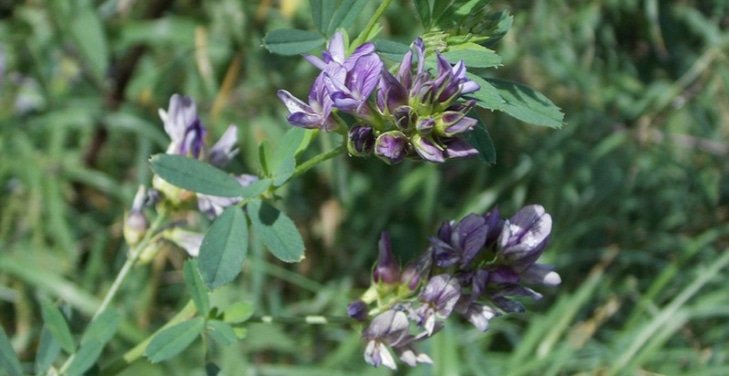
Alfalfa sprouts and supplements contain beneficial nutrients but may pose risks for certain people and medication users.
What Is Alfalfa?
Alfalfa (Medicago sativa) is a nutrient-rich legume used as food and an ingredient in herbal supplements. The plant contains vitamins, minerals, fiber, and many bioactive plant compounds. Alfalfa's nutritional value depends on the part used, processing method, and product form.
Edible Legume and Herbal Supplement
Alfalfa provides plant-based ingredients for dietary and health-supporting products. Leaves, seeds, and sprouts serve various purposes.
Common Forms of Alfalfa
Alfalfa sprouts are commonly found in salads and breads. People use dried leaves to make tea or process them into powders, capsules, and tablets as supplements.
Nutrients and Bioactive Compounds
Alfalfa contains vitamin K, vitamin C, folate, minerals, saponins, and flavonoids. These components contribute to the plant's nutritional value and biological properties and should be considered when using concentrated products.
Common Side Effects of Alfalfa
Alfalfa provides many beneficial nutrients; however, using alfalfa sprouts or supplements can still cause some adverse reactions. The impact depends on the amount consumed, the product form, and the individual's constitution.
Digestive Discomfort
Some people experience bloating, gas, mild abdominal pain, or diarrhea after using alfalfa. The fiber content and plant compounds may contribute to these symptoms, especially when consumption increases rapidly.
Allergic Reactions and Sensitivity
Alfalfa can cause allergic reactions in people sensitive to the plant's components. Symptoms include itching, hives, rash, or lip swelling. Difficulty breathing and throat swelling require immediate medical attention.
Food Portions and Concentrated Supplements
Alfalfa sprouts in the diet provide nutrients, while capsules and extracts may contain concentrated amounts of plant compounds. Higher doses increase the risk of side effects, so users should follow product instructions and monitor how their body reacts.
Alfalfa and Vitamin K: Blood-Thinning Medication Concerns
Alfalfa contains vitamin K, a micronutrient directly involved in blood clotting. This component is especially important for people taking anticoagulants, especially warfarin, because daily vitamin K intake can affect treatment effectiveness.
Vitamin K and Blood Clotting
Vitamin K helps the liver synthesize proteins necessary for blood clotting. The body needs adequate vitamin K to maintain hemostatic function and support overall health.
Effects on Warfarin Treatment
Warfarin reduces vitamin K activity to limit blood clot formation. A sudden increase in alfalfa intake can reduce the medication's effectiveness, causing changes in INR and affecting blood-clot control.
Maintaining Consistent Vitamin K Intake
Warfarin users should keep vitamin K intake stable and consult their doctor before supplementing with alfalfa. Regular INR monitoring helps healthcare professionals assess treatment effectiveness and adjust medication dosages as needed.
Alfalfa and Autoimmune Conditions
Alfalfa contains bioactive plant compounds, including L-canavanine, which may affect immune function. This characteristic means alfalfa use requires careful consideration in individuals with autoimmune diseases, particularly systemic lupus erythematosus.
Immune-Related Concerns
Some alfalfa compounds may affect immune function. Evaluate high-dose or long-term supplement use based on individual health status and medical history.
L-Canavanine and Biological Activity
L-canavanine is a non-protein-forming amino acid that can interfere with amino acid metabolism and cellular activity. This compound has been linked to reports of lupus-like reactions with alfalfa use.
Precautions for People with Lupus
People with lupus or other autoimmune diseases should consult their doctor before using alfalfa in tablet, powder, or extract form. A risk assessment helps limit the likelihood of triggering symptoms and supports long-term disease management.
Alfalfa Sprouts and Foodborne Illness
Alfalfa sprouts are nutrient-rich and commonly found in salads, on bread, or in fresh dishes. However, the warm, humid sprouting environment creates conditions for bacteria to grow, increasing the risk of food poisoning when you eat raw sprouts.
Bacterial Contamination Risks
Alfalfa sprouts can carry Salmonella, E. coli, and other pathogens. Even small amounts of bacteria can cause stomach pain, diarrhea, vomiting, and fever.
Vulnerable Groups
Young children, the elderly, pregnant women, and immunocompromised individuals are at higher risk of serious complications from foodborne infections.
Safer Handling and Cooking
Thoroughly cooking alfalfa sprouts reduces infection risk. Store sprouts in the refrigerator, keep cooking utensils clean, and choose products from reputable sources.
Alfalfa Supplement Interactions
Alfalfa in capsule, powder, or extract form contains plant compounds that may affect medication activity. Evaluating interactions helps users minimize risks, maintain treatment effectiveness, and choose the appropriate supplement dose based on their health condition.
Anticoagulant Medications
Alfalfa contains vitamin K, which may reduce warfarin effectiveness if vitamin K absorption increases suddenly. Anticoagulant users should maintain a stable diet and monitor their INR as directed by their medical advisor.
Immunosuppressive Treatment
The immunosuppressant compounds in alfalfa may concern users of immunosuppressant medications, especially after organ transplantation or when treating autoimmune diseases. This group should be evaluated by a doctor before starting supplementation.
Professional Medication Review
Users should provide their doctor or pharmacist with a list of medications, supplements, and alfalfa dosages. The review helps identify potential interactions and develop a safe-use plan.
Risks of Excessive Alfalfa Intake
Using alfalfa in large amounts, especially in capsule, powder, or concentrated extract form, may increase the risk of side effects. The degree of impact depends on the dose, duration of use, product composition, and individual health conditions.
Uncertainty Surrounding High-Dose Use
Scientific data on high doses and prolonged alfalfa use in humans are limited. Therefore, users should exercise caution when choosing supplements and evaluate benefits based on available evidence.
Potential Effects of Concentrated Compounds
Large amounts of alfalfa may increase exposure to vitamin K and L-canavanine. These components are particularly noteworthy for individuals taking warfarin or with autoimmune diseases because they may affect blood clotting control and immune function.
Following Product Directions
Users should adhere to the dosage on the label and consult a healthcare professional before regular use. If you experience abdominal pain, diarrhea, or an allergic reaction, stop using the product and seek appropriate medical advice.
Who Should Avoid Alfalfa or Use Caution?
Alfalfa provides many plant-based nutrients; however, certain groups of people need careful assessment of its safety before use. Health conditions, medications, and the product form all affect the risk of side effects.
People Taking Warfarin
People taking warfarin need to maintain stable vitamin K levels because alfalfa can affect INR and anticoagulant efficacy. Supplementation should be done under a doctor's guidance.
Individuals with Autoimmune Conditions
Individuals with lupus or autoimmune diseases should be cautious with alfalfa supplements because L-canavanine has been linked to a risk of lupus-like symptoms.
Pregnancy, Breastfeeding, and Young Children
Pregnant women, breastfeeding mothers, and young children should consult a healthcare professional before using alfalfa concentrate. This group needs individual assessment regarding dosage, safety, and the risk of contamination from live organisms.
Ways to Reduce Alfalfa-Related Risks
Safe alfalfa use requires attention to product quality, preparation methods, and individual health conditions. Appropriate precautions help reduce infection risk, limit side effects, and manage drug interactions.
Choosing Reputable Supplements
Consumers should choose products from reputable sources, check ingredients, dosages, and usage instructions. Following recommended doses helps control how much of the plant compounds you absorb daily.
Washing and Storing Sprouts
Alfalfa sprouts should be refrigerated and prepared using clean utensils. Cooking the sprouts helps reduce the risk of Salmonella and E. coli infection, especially for those prone to complications.
Seeking Professional Advice
People taking warfarin, those with autoimmune diseases, and those undergoing immunosuppressant therapy should consult their doctor before supplementing with alfalfa. Healthcare professionals can assess drug interactions and provide guidance on appropriate use.
Conclusion
Alfalfa provides many valuable nutrients and plant compounds, but it also carries potential risks, including side effects, drug interactions, and foodborne infections. Proper use helps manage these risks.
People taking warfarin, those with autoimmune diseases, pregnant women, and immunocompromised individuals should exercise particular caution. Choose reputable products, process sprouts safely, and consult a healthcare professional to improve the safety of using alfalfa.
Frequently Asked Questions (FAQs)
- What Are the Common Side Effects of Alfalfa? – Alfalfa can cause bloating, abdominal pain, diarrhea, or allergic reactions in sensitive individuals. The severity depends on the amount consumed, the product form, and individual sensitivity. Monitor symptoms when starting alfalfa supplementation.
- Can Alfalfa Interact With Warfarin? – Alfalfa contains vitamin K, which plays a role in blood clotting. Significant changes in vitamin K intake may reduce warfarin's effectiveness. People taking warfarin should maintain consistent vitamin K intake, monitor their INR as directed, and consult their healthcare professional before using alfalfa supplements.
- Can Alfalfa Trigger Lupus Symptoms? – Alfalfa contains L-canavanine, a compound associated with lupus-like reactions in some reports. People with lupus or other autoimmune diseases should use caution with alfalfa supplements and consult their healthcare professional before use.
- Are Raw Alfalfa Sprouts Safe to Eat? – Raw alfalfa sprouts may contain harmful bacteria such as Salmonella or E. coli, which can cause diarrhea, abdominal pain, and fever. Pregnant women, young children, older adults, and people with weakened immune systems should avoid raw sprouts and choose thoroughly cooked sprouts instead.
- Who Should Avoid Alfalfa Supplements? – People taking warfarin, those with autoimmune diseases, and those using immunosuppressant medications should consult a healthcare professional before taking alfalfa supplements. Pregnant women, breastfeeding mothers, and young children should also seek professional advice to assess safety.
