
Dandelion root has garnered attention for its rich plant compounds and diverse uses in daily life. A warm cup of tea, a small serving of powder, or convenient supplement capsules offer familiar choices for health-conscious individuals.
Each body has its own needs and tolerance levels. Determining the appropriate dosage, timing, and safety factors will help you be more proactive when incorporating dandelion root into your health routine.
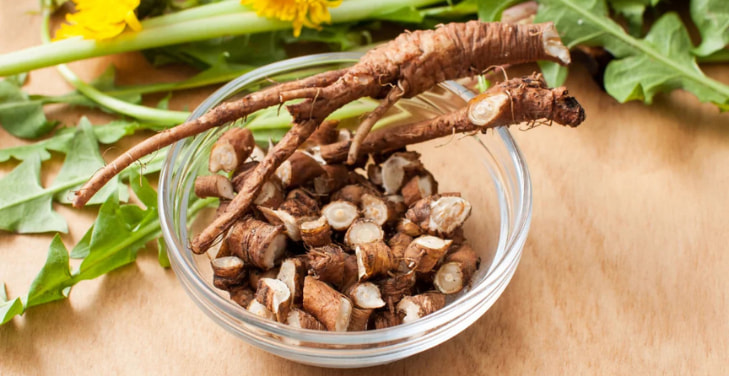
Daily dandelion root intake depends on supplement form, dosage, individual needs, and overall health considerations.
What Is Dandelion Root?
Dandelion root is the root of the Taraxacum officinale plant, a species of plant belonging to the Asteraceae family, common in many temperate regions. This part of the plant appears in traditional medicine and modern supplements for various uses.
Botanical Background and Traditional Uses
Dandelion root contains plant compounds such as inulin, sesquiterpene lactones, phenolic compounds, and minerals. Inulin, a prebiotic fiber, contributes to the root's notable nutritional characteristics.
Common Forms and Key Compounds
Dandelion root products are commonly available in dried root, tea, powder, capsules, tablets, and concentrated extracts. Each form provides different levels of active ingredients, so use and daily dosage should be based on each product's quantitative information.
Recommended Dandelion Root Intake Per Day
The daily amount of dandelion root depends on the preparation form, the concentration of active ingredients, and the intended use. Adults should refer to the dosage instructions on the product label and their individual health characteristics to determine the appropriate serving size.
Commonly Used Daily Amounts
Dried dandelion root is commonly used to make tea, with a dosage of approximately 2–8 g per day, divided into several servings depending on the recipe. Use powdered or ground roots according to the serving size indicated on the product. Concentrated extracts require adherence to the manufacturer's stated dosage.
Whole Root vs. Concentrated Extracts
Whole root provides a natural mixture of many plant compounds, while extracts may concentrate certain components. Therefore, users should carefully read the serving size, extraction ratio, and usage instructions before determining their daily intake.
Factors That Affect Daily Dandelion Root Dosage
Several factors influence the daily dose of dandelion root, including preparation, individual body characteristics, and health status. Determining the right dosage requires considering these factors together to support safe, informed use.
Supplement Concentration and Formulation
The concentration of the active ingredient varies by form—tea, dried root, powder, capsules, or extract. Extract products usually specify the extraction ratio, amount per serving, and standardized composition. Users should use this information to determine dosage.
Age, Diet, and Individual Sensitivity
Age, diet, water intake, and individual sensitivity can all affect tolerance. Individuals with diets high in fiber from multiple sources should also consider their total daily fiber intake.
Health Conditions and Medications
Liver, kidney, gallbladder condition, blood pressure, and blood sugar levels can affect medication decisions. Discuss diuretics, blood pressure medications, blood sugar control medications, and other medications with a healthcare professional before supplementing.
Dandelion Root Dosage by Supplement Form
Dandelion root dosage depends on the product form, as each product has its own concentration method and plant-component content. Users should adjust the dosage based on each product's specific quantitative information.
Tea and Dried Root
Dried root is commonly used to make tea, with approximately 2–8 g per day, depending on the formula and intended use. Users can divide this amount into several servings throughout the day, while maintaining adequate water intake.
Capsules and Tablets
Capsules and tablets usually provide a measured amount of root or extract per serving. Check the number of milligrams per capsule, the number of capsules per serving, and the total recommended dose on the label.
Powders, Tinctures, and Extracts
Powders, tinctures, and concentrated extracts vary widely in active-ingredient content. The extraction ratio, solvent, and degree of standardization help determine the appropriate dosage.
Best Time to Take Dandelion Root
The best time to take dandelion root depends on the intended use, daily routine, and individual tolerance. A consistent schedule allows users to monitor their body's response and maintain a consistent supplementation habit.
Morning vs. Evening Use
Morning is generally suitable for those interested in dandelion root's potential diuretic effects, as the body has more time to respond to the need to urinate during the day. Users can adjust the timing to their daily schedule and personal sensitivity.
Diuretic Effects and Fluid Balance
Dandelion root can promote urination, so users should stay adequately hydrated throughout the day. Taking it too close to bedtime may increase the need to urinate at night in some people.
With or Without Food
Users can take dandelion root with meals to support gastrointestinal tolerance. A fixed usage schedule, combined with appropriate water and food intake, makes daily use easier to track.
Daily Dandelion Root Use and Long-Term Safety
Base daily dandelion root use on dosage, duration of supplementation, and individual health characteristics. Monitoring your body's reaction helps you use it appropriately and reduces the risk of problems during prolonged supplementation.
Regular Supplementation Considerations
Users should follow the labeled serving size and stay well hydrated, especially since the product may affect urine output. Consider diet, other supplements, and medications as well.
Short-Term and Prolonged Use
Data on the safety of long-term dandelion root use are limited. Assess prolonged use periodically for dosage, purpose of supplementation, and tolerance.
Reviewing Continued Use
Users should periodically review the need for continued use, especially if health changes occur or they start new medications. Healthcare professionals can help assess the benefits, risks, and appropriate duration of use.
Potential Side Effects From Daily Use
Dandelion root is generally well tolerated by many people when used in appropriate amounts. However, daily supplementation may still cause some reactions, especially in individuals sensitive to plant compounds or products with high concentrations.
Digestive Discomfort and Heartburn
Some people may experience bloating, abdominal pain, heartburn, or gastrointestinal discomfort. Taking the product with meals may help those with sensitive digestive systems tolerate it better.
Increased Urination and Fluid Balance
Dandelion root has potential diuretic properties, so urine output may increase after use. Users should maintain adequate fluid intake throughout the day to support fluid balance.
Allergic Reactions and Sensitivity
Individuals sensitive to plants in the daisy family may experience itching, rash, or irritation. Serious reactions such as difficulty breathing or swelling of the lips or face require immediate medical attention.
Medication and Health Condition Considerations
Dandelion root may affect fluid balance, blood pressure, and glucose metabolism, so people undergoing treatment or taking medication should assess the situation carefully before supplementing. A pharmacist or doctor can help determine appropriate levels based on specific medications and health conditions.
Diuretics and Blood Pressure Medications
Dandelion root's potential diuretic effect may interact with diuretics and affect fluid and electrolyte levels. People taking blood pressure medication should also monitor their blood pressure while supplementing.
Blood Sugar and Blood-Thinning Medications
Dandelion compounds may affect blood sugar. Those taking glucose-control medications should monitor their blood glucose levels accordingly. Healthcare professionals should also consider anticoagulants or antiplatelet medications before use.
Gallbladder and Kidney Concerns
Gallstones, gallbladder disease, or kidney disease require individual assessment before use. Healthcare professionals may consider interaction risks and adjust the dosage on a case-by-case basis.
Tips for Using Dandelion Root Safely
Using dandelion root safely requires attention to product quality, dosage, and individual health conditions. A cautious approach helps you control the supplement amount and catch unusual reactions early.
Choose Reputable Products
Prioritize products from reputable manufacturers with clear ingredient labels, specific dosages, and transparent usage instructions. Independent testing certifications also increase confidence in product quality.
Follow Serving Instructions
Adhere to the manufacturer's recommended serving size and adjust as needed. Users should calculate the total amount of dandelion root from tea, powder, capsules, and other preparations on the same day.
Avoid Excessive Supplementation
Maintaining a reasonable dosage and monitoring daily water intake helps support fluid balance. Also consider combining multiple herbal products with similar ingredients.
When to Seek Medical Guidance
Talk to your doctor or pharmacist if you are taking medication, have underlying medical conditions, are pregnant, or breastfeeding. Seek prompt medical attention for difficulty breathing, facial swelling, severe allergic reactions, or persistent unusual symptoms.
Conclusion
Dandelion root provides numerous plant compounds and is available in tea, dried root, powder, capsules, and concentrated extracts. Daily dosage should be based on the product form, concentration, and individual tolerance.
Monitor intake, maintain fluid balance, and check for potential drug interactions to support safety. Individuals with underlying health conditions or those taking medications regularly should consult a healthcare professional before supplementing.
Frequently Asked Questions (FAQs)
- How Much Dandelion Root Can You Take Per Day? – The daily amount of dandelion root depends on the product form and concentration. Dried roots are commonly used in amounts of a few grams for tea, while extracts should be taken according to the serving size indicated on the product label.
- Can You Take Dandelion Root Every Day? – Adults can take dandelion root daily in appropriate amounts based on individual tolerance. Long-term use should be evaluated periodically, especially for people with underlying medical conditions or those taking medications.
- What Is the Best Time to Take Dandelion Root? – Morning or early in the day is usually convenient for dandelion root because it may increase urine output. Users should maintain adequate hydration and adjust the timing to fit their daily schedule.
- Can Dandelion Root Interact With Medications? – Dandelion root may affect the effects of diuretics, blood pressure medications, and blood sugar-lowering medications. People taking anticoagulants or medications for chronic illnesses should consult their doctor or pharmacist before using dandelion root supplements.
- What Are the Side Effects of Dandelion Root? – Some people may experience bloating, stomach pain, heartburn, or increased urination when using dandelion root. Those sensitive to the daisy family may also develop itching, rash, or other allergic reactions.
