
Anise offers a sweet, delicate aroma, a characteristic warm, spicy flavor, and a long history of use in cuisine and traditional health practices. However, behind this familiar spice lie significant concerns regarding allergic reactions, digestive irritation, and the biological activity of its natural compounds.
Understanding these potential risks helps consumers proactively protect their health and use anise more safely.
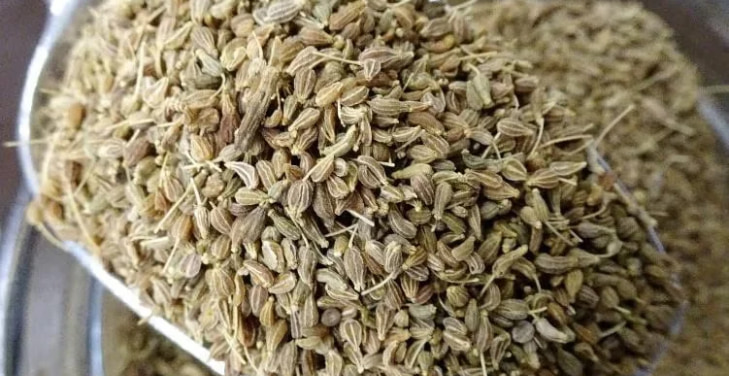
Anise contains aromatic compounds that may cause side effects in sensitive individuals or with excessive consumption.
What Is Anise?
Anise (Pimpinella anisum) is an aromatic herb belonging to the Apiaceae family. Anise seeds contain many bioactive plant compounds, most notably anethole, the component that gives the spice its characteristic licorice scent and contributes to its other biological properties.
Botanical Identity and Common Varieties
Anise is an annual herbaceous plant native to the Mediterranean and West Asia. It develops small white flowers and dry fruit containing seeds rich in aromatic essential oils. The scientific name Pimpinella anisum helps to accurately identify the plant species in nutritional and medicinal research.
Traditional Uses
Anise is commonly found in cuisine, herbal teas, and traditional medicine preparations. People use anise seeds to flavor baked goods and beverages and to aid digestion.
Active Compounds, Including Anethole
Anethole is the main aromatic compound in anise essential oil and makes up a significant proportion of the oil's composition. Anise also contains estragole, flavonoids, and phenolic compounds, which contribute to its biological activity and raise safety concerns when consumed in large quantities.
Common Side Effects of Anise
Anise provides valuable aromatic compounds in cooking and herbal preparations. However, the essential oils and bioactive substances in this spice can cause some adverse reactions, especially when consumed in large quantities or in concentrated products. Reaction severity depends on individual sensitivity, dosage, and health conditions.
Digestive Discomfort and Stomach Irritation
Some people may experience nausea, bloating, abdominal discomfort, or stomach irritation after consuming anise. The aromatic compounds in the essential oils can affect the digestive system, especially when consumed in large amounts.
Allergic Reactions and Skin Sensitivity
Anise can trigger allergic reactions in people sensitive to its plant components. Symptoms often include itching, hives, rashes, and lip swelling.
Possible Respiratory Symptoms
Some allergic reactions may manifest as sneezing, coughing, wheezing, or difficulty breathing. Sudden swelling of the throat and difficulty breathing require emergency medical attention, as they may be signs of anaphylaxis.
Allergic Reactions and Anise Sensitivity
Anise can cause allergic reactions in people sensitive to the plant compounds in this spice. Immune reactions usually occur after eating food containing anise, drinking herbal tea, or exposure to anise essential oil. Reaction severity depends on individual sensitivity.
Symptoms of Anise Allergy
Common allergy symptoms include itchy mouth, hives, rash, swollen lips, and throat discomfort. Some cases may also experience abdominal pain, vomiting, or diarrhea. Anaphylaxis can cause low blood pressure and difficulty breathing and requires immediate medical attention.
Cross-Reactivity with Related Plants and Spices
Anise belongs to the Apiaceae family and is botanically related to celery, dill, coriander, carrots, and caraway. People allergic to some members of this family may experience cross-reactions when exposed to anise.
Risk Factors for Allergic Individuals
Individuals with a history of allergies to spices, pollen, or plants belonging to the Apiaceae family should exercise caution when using anise. Recognizing early symptoms helps manage risk and limit serious allergic complications.
Hormonal Effects and Estrogen-Like Activity
Anise contains anethole, an aromatic compound with notable biological activity, particularly related to its ability to interact with the hormonal system. The estrogen-like properties of this compound attract interest in research on endocrinology, reproductive health, and the effects of herbs on hormone balance.
Anethole and Potential Estrogen Activity
Anethole exhibits some estrogen-like activity in experimental studies. This compound has the potential to interact with biological mechanisms related to estrogen, thus raising concerns about its potential impact on endocrine activity when anise is used at high doses.
Considerations for Hormone-Sensitive Conditions
Individuals with hormone-sensitive breast cancer, endometrial cancer, or other estrogen-related conditions should exercise caution when using concentrated anise products. Estrogen-like activity may be clinically significant for this population.
Limitations of Current Human Research
Evidence regarding the endocrine effects of anise on humans is currently limited. Much of the data focuses on laboratory studies and animal models. Therefore, the actual extent of the impact from consuming anise through food still requires further clinical research.
Anise and Medication Interactions
Anise contains anethole and several bioactive plant compounds, raising concerns about potential interactions with medications. The risk depends on the product form, active ingredient content, dosage, and individual health status. Essential oil and concentrated extract preparations, in particular, require careful consideration.
Potential Concerns with Hormone-Related Medications
The estrogen-like activity of anethole poses several concerns regarding endocrine medications, oral contraceptives, and hormone therapy. Clinical interactions are not yet fully understood, especially in individuals using high doses of anise.
Precautions with Concentrated Anise Products
Anise essential oils and extracts may provide high concentrations of active ingredients, increasing the risk of unintended biological effects. Individuals on long-term medications should consult their doctor before supplementing with these products.
Reviewing Supplements with Healthcare Professionals
A doctor or pharmacist can assess interaction risk based on your medications, dosages, and medical history. Reviewing the ingredients helps develop a safe and appropriate herbal treatment plan.
Risks of Anise Essential Oil
Anise essential oil contains high levels of anethole and volatile aromatic compounds, posing a risk of irritation and toxicity with improper use. Risk depends on concentration, exposure level, route of application, and individual sensitivity. In particular, using pure essential oil requires extreme caution.
Concentrated Compounds and Potential Toxicity
High concentrations of active ingredients in essential oil can cause nausea, vomiting, dizziness, and digestive upset with excessive use. Ingesting large amounts of essential oil also poses a risk of poisoning, especially in young children.
Skin Irritation and Sensitivity
Anise essential oil can cause redness, itching, burning, or contact dermatitis in sensitive individuals. Applying pure essential oil directly to the skin increases the risk of irritation and damage to the skin's protective barrier.
Risks Associated with Accidental Ingestion
Children are at higher risk of accidental ingestion of essential oils because they are more sensitive to concentrated compounds. Store the product in a tightly sealed bottle, keep it out of reach of children, and contact a medical facility if it is accidentally ingested.
Anise During Pregnancy and Breastfeeding
Using anise during pregnancy and breastfeeding requires careful consideration based on active-ingredient content, formulation, and the mother's health status. Anethole and other bioactive compounds in this herb raise significant concerns about endocrine effects, reproductive health, and infant safety.
Safety Concerns with Medicinal Quantities
Anise contains anethole with estrogen-like activity, raising concerns about endocrine effects when pregnant women use large doses. A doctor should evaluate essential oil and concentrated extract preparations before use.
Culinary Use vs. Concentrated Products
Small amounts of anise used as a spice in food generally result in low exposure. Concentrated herbal teas, essential oils, and supplements containing anise may provide high levels of active ingredients, increasing safety concerns.
Limited Evidence on Pregnancy and Lactation Safety
Clinical data on the safety of anise during pregnancy and lactation are currently limited. Some compounds may pass into breast milk, raising concerns about their effects on infants. Women in these two periods should consult a healthcare professional before using anise preparations for therapeutic purposes.
Who Should Avoid or Limit Anise?
Anise is suitable for many culinary uses; however, certain groups should limit consumption because of allergies, endocrine status, and sensitivity to plant compounds. Assessing risk based on health history, product type, and dosage helps reduce adverse reactions.
Individuals with Anise or Spice Allergies
People with a history of anise allergies or allergies to other spices in the Apiaceae family should use caution. These individuals are at risk of developing hives, lip swelling, throat irritation, and systemic allergic reactions.
People with Hormone-Sensitive Conditions
Individuals with estrogen-sensitive breast cancer, endometrial cancer, or other hormone-related disorders should consult their doctor before using anise extract. Anethole has estrogen-like activity, raising endocrine concerns.
Children and People Using Concentrated Preparations
Young children are at risk of adverse reactions when exposed to anise essential oil due to its high concentration of active ingredients. Users of anise supplements or essential oil preparations should also seek professional advice to control dosage and minimize the risk of poisoning.
Safe Anise Consumption and Risk Reduction
Safe anise use requires attention to dosage, product quality, and individual health characteristics. The aromatic compounds in this spice add culinary value, but use should be controlled when used regularly or combined with other herbal preparations. Appropriate precautions help minimize the risk of adverse reactions.
Appropriate Culinary Use and Moderate Intake
Adults can use anise in moderation to flavor food and beverages. Maintaining a reasonable intake helps limit digestive discomfort and reduce exposure to active compounds.
Choosing Reputable and Properly Labeled Products
Prioritize products with clear origins, transparent ingredients, and complete manufacturer information. Check expiration dates, storage instructions, and active ingredient concentrations, especially for essential oils and concentrated extracts.
Recognizing Symptoms Requiring Medical Attention
Stop using anise if you experience a rash, itching, lip swelling, or gastrointestinal discomfort. Difficulty breathing, tongue swelling, or dizziness require immediate medical attention, as these may signal anaphylaxis.
Conclusion
Anise offers culinary value due to its distinctive aroma and bioactive plant compounds. However, excessive consumption can cause digestive discomfort, allergic reactions, and issues related to estrogen-like activity.
Individuals with allergies, hormone sensitivities, pregnant women, and young children should exercise particular caution. Choosing reputable products, using them reasonably, and consulting a healthcare professional can help minimize risks.
Frequently Asked Questions (FAQs)
- Can Anise Cause Allergic Reactions? – Anise may trigger allergic reactions, with symptoms such as an itchy mouth, hives, skin rash, swollen lips, and respiratory discomfort. People with known allergies to anise or related plants in the Apiaceae family should exercise particular caution.
- Does Anise Affect Estrogen Levels? – Anethole, a major aromatic compound in anise, has demonstrated estrogen-like activity in some experimental studies. Its potential endocrine effects remain uncertain in humans, so people with hormone-sensitive conditions should consult a healthcare professional before using concentrated anise extracts.
- Can Anise Essential Oil Be Toxic? – Anise essential oil contains highly concentrated aromatic compounds that may cause nausea, vomiting, dizziness, and skin irritation. Swallowing large amounts can lead to poisoning, with young children facing particular risks. The oil should not be ingested without specific medical guidance.
- Is Anise Safe During Pregnancy? – The safety of concentrated anise preparations during pregnancy has not been adequately established. Pregnant individuals should avoid medicinal amounts of anise supplements and essential oils unless specifically advised by a healthcare professional. Ordinary culinary use generally involves much smaller quantities.
- Can Anise Interact With Medications? – Anise may have potential interactions with hormone-related medications because anethole has demonstrated estrogen-like activity in experimental studies. People receiving hormone replacement therapy or other hormone-sensitive treatments should consult a doctor or pharmacist before using concentrated anise extracts.
