
Pu-erh tea possesses a depth of flavor that immediately captures the body's attention. A warmth spreads, the heart rate changes, and the nervous system is intensely stimulated. This experience is both captivating and biologically impactful.
Behind each cup of tea lies a complex chain of reactions unfolding silently. The digestive, circulatory, and metabolic systems are all involved. Clear signals from the body accompany the allure.
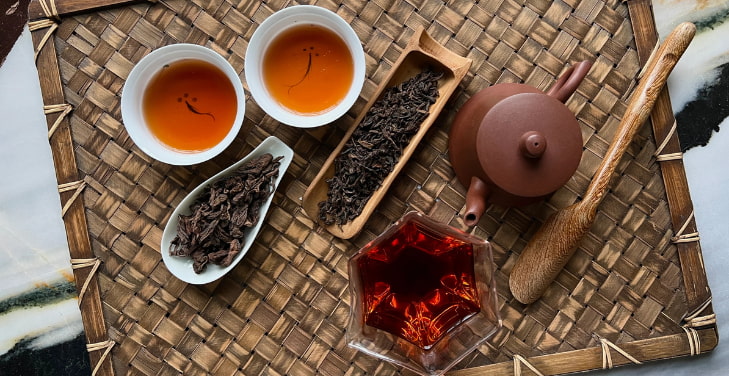
Pu Erh tea contains caffeine that may affect sleep and heart rate.
What Is Pu Erh Tea and Why Is It Popular
Pu Erh tea is formed through a deep microbial fermentation process, creating a rich system of bioactive compounds. Its bold flavor, long-lasting aftertaste, and warming sensation make it appealing to those seeking a unique experience.
Fermentation and Bioactive Compounds
The fermentation process transforms polyphenols into complex derivatives, producing organic acids and active enzymes. These components regulate lipid metabolism, support the gut microbiome, and create its distinctive flavor profile.
Traditional Use and Cultural Value
Pu Erh tea is deeply rooted in China's long history, where people view tea as an integral part of their daily lives and health practices. The tea-making rituals, the way tea cakes are stored, and the "aging" process all contribute to its profound cultural value.
Modern Health Appeal
Modern consumers are turning to pu'erh tea for its potential to support weight management, improve digestion, and promote alertness and stability. This trend continues to spread within the healthy lifestyle community.
Pu Erh Tea Dangers Overview
Pu Erh tea contains a complex system of highly active compounds that trigger distinct physiological responses. The body directly perceives these changes, creating both benefits and risks when used without control. Identifying the risks helps guide consumption behavior more accurately.
Caffeine and Nervous System Impact
The caffeine in Pu Erh tea stimulates the central nervous system, increasing heart rate and alertness. A state of alertness develops quickly, accompanied by restlessness when the dosage exceeds the individual's tolerance.
Microbial Fermentation Risks
The prolonged fermentation process creates an environment conducive to microbial growth. Storage conditions directly affect this microbial system, thereby determining the quality and safety of the tea.
Metabolic and Digestive Effects
Biological compounds affect lipid metabolism and digestive fluids. The body reacts with changes in bowel movements and stomach sensation, especially when taken on an empty stomach or in high doses.
Caffeine-Related Side Effects
Caffeine, when ingested, goes directly to the central nervous system and triggers a distinct chain of physiological responses. The body responds quickly, with intensity varying according to dose and individual sensitivity. Circadian rhythms, the cardiovascular system, and mental state all participate in this process.
Central Nervous System Stimulation
Caffeine stimulates the brain, increasing alertness and information processing speed. Thoughts become more rapid, feelings of euphoria appear, and the nervous system maintains a prolonged state of activation.
Cardiovascular Response
Heart rate increases significantly, myocardial contractility increases, and blood pressure fluctuates with consumption. The circulatory system responds more actively, creating a feeling of excitement and increasing overall blood flow.
Sleep Cycle Disruption
Caffeine prolongs wakefulness, slows down the onset of sleep, and reduces sleep depth. The circadian cycle changes, and the body remains in a state of alertness in the evening.
Digestive System Reactions
Pu erh tea directly affects the entire digestive tract, from the stomach to the large intestine. Enzymes, gastric juices, and intestinal motility act in concert, producing noticeable changes within a short time. The body registers the signal immediately after absorption.
Gastric Acid Stimulation
The active compounds promote gastric acid secretion, enhancing the breakdown of food. The gastric mucosa is continuously affected, creating a burning sensation and pressure in the epigastric region when high doses are consumed.
Gut Motility Changes
Pu-erh tea stimulates intestinal motility, increasing the speed of food movement. This process creates a feeling of "lightness in the stomach" and promotes bowel movements that are faster than normal.
Microbiota Interaction
The gut microbiota receives fermenting compounds and responds by altering its population structure. Some strains of bacteria thrive, contributing to a rapid reshaping of the digestive environment.
Contamination and Quality Concerns
Pu erh tea undergoes a long fermentation process, an environment that promotes both beneficial and harmful compounds. Quality is heavily dependent on raw materials, production techniques, and storage conditions. Deviations at any stage have significant health consequences.
Microbial Growth and Mold Development
High humidity and stable temperatures stimulate continuous microbial growth. Mold forms under poorly controlled conditions, producing biotoxins that directly affect the liver and immune system.
Heavy Metal Accumulation
Tea leaves absorb heavy metals from the soil and water sources during cultivation. Lead, cadmium, and arsenic accumulate over time and then enter the body with long-term use.
Storage and Aging Variables
The aging process alters the chemical structure of tea and is closely dependent on the storage environment. Air, humidity, and light shape the final quality, making a significant difference between batches of products.
Interactions with Medications
Pu-erh tea enters the body at the same time as many medications, creating complex biological interactions. The active ingredients in the tea directly participate in metabolism and absorption, thereby altering therapeutic efficacy. This synergy occurs rapidly and is clearly evident across multiple organ systems.
Cytochrome P450 Enzyme Modulation
The polyphenols and alkaloids in pu-erh tea regulate the activity of liver enzymes, particularly the Cytochrome P450 group. The rate of drug metabolism changes, leading to fluctuations in the concentration of the active ingredient in the blood.
Anticoagulants and Cardiovascular Drugs
Pu-erh tea affects blood viscosity and platelet function. When combined with anticoagulants or cardiovascular drugs, the physiological effects are significantly increased and directly impact the circulatory system.
Absorption and Bioavailability Changes
The tannins in tea bind to minerals and some pharmacologically active substances, altering their gut absorption. Plasma drug concentrations fluctuate with the timing of tea consumption, thereby shaping the therapeutic response.
Risks for Specific Groups
Pu erh tea produces different physiological responses depending on the characteristics of each group. Sensitivity, nutritional status, and underlying medical conditions determine the intensity of the impact. Each group's body registers the effects in its own way, as evidenced by noticeable changes in biological function.
Pregnancy and Lactation Considerations
Caffeine and its active compounds enter the mother's circulation, then spread to the fetus and breast milk. The fetal heart rate, metabolism, and neurological state react to these changes, directly impacting development.
Iron Deficiency and Nutrient Balance
The tannins in pu erh tea bind to iron in the digestive tract, reducing its absorption. The body responds with changes in red blood cell production and overall energy levels.
Caffeine Sensitivity Profiles
Individuals sensitive to caffeine experience a stronger nervous system stimulation. Heart rate increases, alertness peaks, and feelings of restlessness are pronounced when consuming the same dose.
Overconsumption and Long-Term Effects
Pu-erh tea produces a cumulative effect when used continuously at high doses. The body absorbs caffeine, polyphenols, and fermented compounds daily, leading to prolonged physiological changes. Adaptation occurs gradually and manifests across multiple organ systems.
Cumulative Caffeine Load
The accumulated caffeine over time keeps the nervous system in a state of prolonged activation. Heart rate increases, alertness is heightened, and fatigue sets in as the body readjusts its internal balance.
Nutrient Absorption Interference
Tannins bind to minerals such as iron and zinc in the gut, reducing the efficiency of micronutrient absorption. The body reacts with changes in energy metabolism and immune function.
Liver and Metabolic Stress
The liver continuously processes the active compounds from pu-erh tea, thereby increasing enzyme activity and metabolic flow. This process creates prolonged biological stress, affecting overall metabolic balance.
How to Drink Pu Erh Tea Safely
Pu Erh tea offers a distinct experience when used correctly and in the right dosage. The body responds positively when users control the timing, concentration, and origin of the product. A consistent tea-drinking habit forms the foundation for long-term physiological balance.
Optimal Dosage and Timing
Users should maintain a moderate amount of tea throughout the day, prioritizing drinking it after meals to ensure stable digestive function. Morning or early afternoon times are optimal for alertness and circadian rhythm.
Quality Selection and Sourcing
Choosing Pu Erh tea from reputable manufacturers ensures a standardized fermentation process and strict microbial control. Products with clear origins offer high safety and a stable compound profile.
Brewing Technique and Concentration Control
Water temperature and brewing time determine the concentration of the tea's active ingredients. Proper brewing creates a balanced flavor while maintaining caffeine and tannin levels within a range the body can easily adapt to.
Conclusion
Pu erh tea forms a rich biological profile with direct impacts on the nervous system, digestion, and metabolism. The body responds quickly to caffeine, tannins, and fermented compounds, thus creating both physiological benefits and stresses.
Understanding the dosage, timing, and quality helps maintain balance. Controlled usage reinforces positive effects and supports long-term health.
Frequently Asked Questions (FAQs)
- Is Pu-erh tea safe to drink daily? – Pu-erh tea can be consumed daily in moderate amounts, with caffeine and polyphenols supporting digestive and nervous system activity when intake is balanced.
- How does Pu-erh tea affect sleep? – Caffeine in Pu-erh tea stimulates the brain and can delay sleep onset, especially when consumed later in the day.
- Does Pu-erh tea irritate the stomach? – Active compounds may increase gastric acid and intestinal activity, leading to noticeable stomach sensitivity when consumed on an empty stomach or in high amounts.
- Does Pu-erh tea interact with medications? – Polyphenols and tannins can influence how medications are metabolized, potentially affecting their concentration and effectiveness in the body.
- Who should be cautious when using pu erh tea? – Pregnant individuals, those with iron deficiency, and people sensitive to caffeine may experience stronger effects related to heart rate, nutrient absorption, and nervous system response.
