
Black mold often appears silently in damp, enclosed spaces with poor air circulation. Dark patches on walls, wood, or drywall can signal mold growth in your living environment.
Mold exposure can affect the respiratory system, eyes, and skin, especially in sensitive individuals.
Humidity levels, water sources, and ventilation conditions determine the likelihood of mold growth and spread in a home.
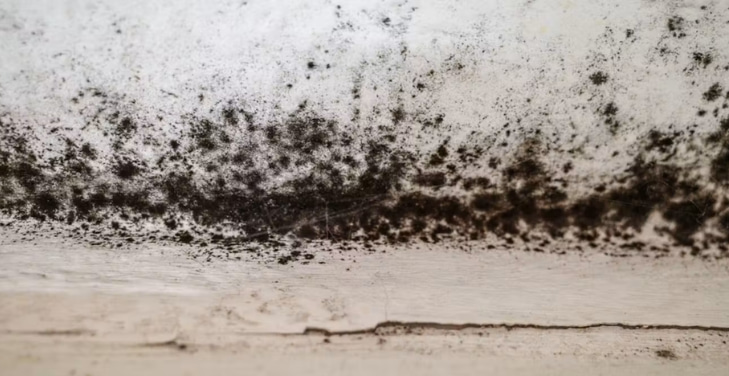
Black mold can grow in damp indoor spaces and may affect respiratory health.
What Is Black Mold?
Black mold is a common term for molds that form black, dark green, or dark brown patches on damp surfaces. They often appear indoors when humidity remains high, and water sources provide favorable conditions for mold spores to grow.
Definition of Black Mold
Black mold belongs to a group of microorganisms that can grow on many materials, such as wood, drywall, paper, fabric, and insulation. Some species produce dark pigmentation during growth, creating the characteristic appearance of the colony.
Why the Term "Black Mold" Can Be Misleading
The term "black mold" describes the color and morphology observed in the environment. Stachybotrys chartarum is often mentioned when talking about black mold, but many other fungal species also produce dark-colored colonies.
Common Indoor Environments
Bathrooms, basements, areas around plumbing, windows, and locations that have been flooded often create favorable environments for mold growth.
What Does Black Mold Look Like?
Black mold typically forms dark patches on surfaces that remain damp for extended periods. Its appearance varies depending on the species of mold, material, temperature, and environmental conditions, so observation requires a combination of signs.
Typical Color and Texture
Colonies may be black, bluish-black, dark gray, or dark brown. Surfaces often have a damp, slimy, powdery, or slightly rough texture. Long-standing mold patches can spread into mottled areas with uneven color density.
Growth Patterns
Mold often appears as small spots that then expand into patches on walls, ceilings, wood, paper, or cellulose-containing materials. Areas near water sources, cracks, and poorly ventilated corners often provide favorable conditions for growth.
Limits of Visual Identification
Color provides an initial indication of mold presence. Accurate identification of the species requires professional evaluation and appropriate testing methods.
What Causes Black Mold to Grow?
Black mold develops when indoor environments maintain suitable humidity, water sources, and temperature conditions. These factors create a foundation for fungal spores to attach to surfaces, form colonies, and spread over time.
Excess Moisture and Humidity
High humidity provides the necessary water for the mold's growth cycle. Bathrooms, basements, laundry areas, and enclosed spaces often accumulate moisture, especially when ventilation is poor.
Water Leaks and Flooding
Leaks from roofs, pipes, air conditioners, or appliances create persistent damp areas. Flooding also increases humidity in walls, floors, and porous materials, creating a favorable environment for mold growth.
Poor Ventilation
Limited air circulation causes moisture to accumulate on walls, ceilings, and windows. Prolonged condensation keeps surfaces damp, promoting mold growth and spread.
Stachybotrys and Other Dark-Colored Molds
The dark-colored mold group includes many species with different biological characteristics and growth environments. Stachybotrys chartarum often attracts attention in indoor mold issues.
Stachybotrys chartarum Overview
Stachybotrys chartarum typically grows on cellulose-rich materials such as paper, cardboard, wood, and drywall when they remain highly moisture-laden. Colonies can be black or dark green, especially in prolonged humid environments.
Other Dark-Colored Mold Species
Several species belonging to the genera Aspergillus, Cladosporium, and Alternaria also produce dark green, brown, or black colonies. Each group has its own growth characteristics, spore structure, and environmental adaptability.
Why Mold Color Matters
Color helps identify signs of mold on surfaces and guides initial assessment. Species identification requires reliance on microbiological characteristics and appropriate specialized testing.
Health Effects of Black Mold Exposure
Indoor mold exposure can irritate the respiratory tract, skin, and mucous membranes in sensitive individuals. The degree of impact depends on the concentration of spores, the duration of exposure, and the individual's health condition.
Respiratory Symptoms
Mold spores and airborne microorganisms can irritate the mucous membranes of the nose, throat, and airways. Those exposed may experience nasal congestion, sneezing, coughing, wheezing, or throat irritation.
Eye and Skin Irritation
Exposure to mold-containing environments can cause eye irritation, tearing, redness, and itching. Skin may also become itchy or dry, or develop a rash, in sensitive individuals.
Effects in Sensitive Individuals
People with asthma or mold allergies may experience more pronounced respiratory symptoms. Prolonged exposure to moldy environments can perpetuate airway irritation.
Who Is More Vulnerable to Mold Exposure?
Sensitivity to mold varies by individual constitution, age, and health status. Some groups with sensitive respiratory tracts or weakened immune systems may develop pronounced symptoms when exposed to environments containing mold spores.
People With Allergies or Asthma
People with mold allergies may experience sneezing, nasal congestion, itchy eyes, and airway irritation. Those with asthma may also experience wheezing, coughing, or shortness of breath when mold spores irritate the airways.
Children and Older Adults
Children have developing respiratory systems, while older adults often have respiratory and immune reserves that change with age. Moldy environments can increase the burden of irritation in these two groups.
People With Weakened Immune Systems
Immunocompromised individuals are at higher risk of serious fungal infections, especially when exposed to high concentrations of spores over extended periods. This group requires careful control of moisture levels and the maintenance of a clean, dry living environment.
Can Black Mold Cause Serious Health Problems?
Indoor mold can be linked to serious health problems in certain sensitive groups, especially when the environment contains a high concentration of mold spores and remains damp for extended periods. The extent of the impact depends on the type of mold, the level of exposure, and the individual's constitution.
Potential Respiratory Complications
Mold exposure can irritate the airways, increasing coughing, wheezing, and shortness of breath in people with asthma or respiratory illnesses. Immunocompromised individuals may face an increased risk of respiratory fungal infections in appropriate circumstances.
Effects of Prolonged Exposure
Prolonged exposure to damp, moldy environments can perpetuate mucosal irritation and cause recurrent allergy symptoms. Controlling moisture sources helps reduce the amount of mold and spores in the living environment.
When to Seek Medical Evaluation
Prolonged shortness of breath, wheezing, chest pain, fever, or progressive respiratory symptoms require medical evaluation. People with weakened immune systems should consult a doctor early if they experience any signs of infection.
How to Identify Black Mold in Your Home
Identifying black mold in your home begins with observing surfaces, assessing moisture levels, and tracing the source of the water. Small signs in hidden corners, wall crevices, or areas previously exposed to moisture may suggest mold growth.
Common Places to Inspect
Check bathrooms, basements, areas around windows, pipes, roofs, and behind furniture. Wood, paper, drywall, and moisture-retentive insulation materials can create conditions for mold growth.
Signs of Hidden Moisture and Mold
Musty odors, water stains, peeling paint, blistering wallpaper, and discolored surfaces often suggest hidden moisture. Areas with frequent condensation should also be thoroughly inspected.
When Professional Testing May Help
Professional assessment is appropriate when mold is widespread, recurring, or located in hard-to-reach structures. Experts can determine the extent of the contamination and choose the appropriate treatment method.
How to Remove and Prevent Black Mold
Controlling black mold begins with removing the source of moisture, cleaning the affected area, and maintaining good ventilation. Proper procedures help limit spore spread and reduce the likelihood of the mold returning.
Safe Cleaning Practices
For small mold patches on hard surfaces, wear appropriate gloves, safety glasses, and a mask, then clean with a suitable cleaning agent. Large areas of porous material with mold contamination may need replacement to eliminate the source of the mold.
Moisture Control and Ventilation
Maintain indoor humidity at approximately 30–50% using ventilation, dehumidifiers, or air conditioning. Repair leaks, address condensation, and dry damp materials promptly to limit mold growth.
When Professional Remediation Is Needed
A mold control professional should assess large mold infestations, compromised ventilation systems, or recurring mold problems. Groups at high health risk should also limit their direct involvement in the cleaning process.
Conclusion
Black mold thrives in damp environments, often appearing in areas with water leaks, condensation, or poor ventilation. Stachybotrys chartarum is a commonly cited species, along with many other dark molds.
Exposure can irritate the nose, throat, eyes, and respiratory tract, especially in people with allergies, asthma, or weakened immune systems.
Controlling humidity, treating water sources, proper cleaning, and using professional services when needed help maintain a safe, dry living environment.
Frequently Asked Questions (FAQs)
- Is black mold always Stachybotrys chartarum? – Black mold is a general description for fungi with dark-colored colonies. Stachybotrys chartarum is one example, while Aspergillus, Cladosporium, and Alternaria can also produce dark pigmentation.
- What symptoms can black mold in the home cause? – Mold exposure can cause nasal congestion, sneezing, coughing, wheezing, throat irritation, itchy eyes, and skin rashes. People with allergies or asthma may experience stronger respiratory symptoms.
- Who is more susceptible to mold? – People with allergies or asthma, children, older adults, and immunocompromised individuals can be more susceptible to mold-related health effects. Impact varies with health status, exposure level, and duration.
- How to identify black mold in the home? – Black, dark blue, or dark brown patches on damp surfaces can indicate mold. Musty odors, water stains, peeling paint, condensation, and persistent moisture provide additional clues.
- What to do to remove and prevent black mold from returning? – Repair water leaks, dry damp materials, improve ventilation, and maintain indoor humidity around 30–50%. Large affected areas or mold inside enclosed structures should receive professional assessment and treatment.
