
MCT oil powder delivers medium-chain triglycerides to your daily diet in a convenient, versatile form. C8 and C10 are prominent in the formula, participating rapidly in absorption, transport to the liver, and energy metabolism.
The microencapsulation structure allows the MCT oil to disperse into a powder form that is easy to mix. The product is suitable for coffee, smoothies, yogurt, and keto diets.
MCT oil powder bridges the gap among convenience, energy metabolism, and versatility of use.
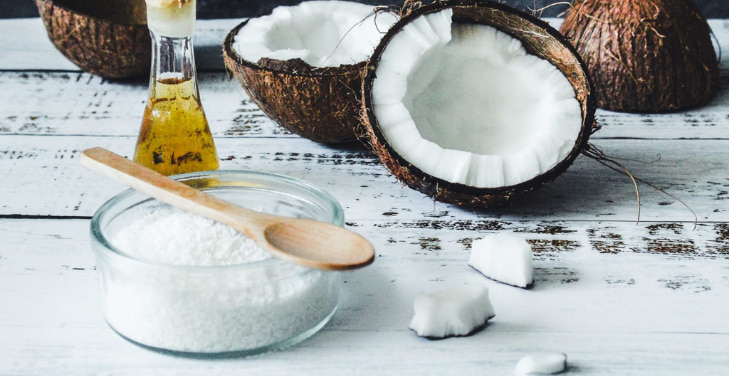
MCT oil powder provides medium-chain triglycerides in a convenient, versatile form for everyday nutrition.
What Is MCT Oil Powder?
MCT oil powder is a powdered form of medium-chain triglycerides, commonly found in sports nutrition, low-carbohydrate diets, and energy supplement formulations. The powder form offers flexible mixing, convenient storage, and easy portion control.
Medium-Chain Triglycerides
MCTs are a group of fats consisting of medium-chain fatty acids, most commonly caprylic acid (C8) and capric acid (C10). This structure supports the digestion, absorption, and transport of lipids to the liver, where the body can quickly metabolize them into energy and ketones.
Powdered MCT Form
MCT oil powder contains MCT oil combined with a carrier such as acacia fiber, starch, or specialized carbohydrates. Microencapsulation technology disperses the oil into stable powder particles, making it convenient to stir into coffee, smoothies, yogurt, or nutritional drinks.
Nutritional Characteristics
The fat, carbohydrate, and energy content varies depending on the product formulation. The C8 and C10 components, along with the carrier substance, determine the nutritional properties and applications of each MCT oil powder type.
What Is MCT Oil Powder Made From?
MCT oil powder is made by combining pure MCT oil with supporting ingredients for powder formulation. The source of raw materials and the ratio of ingredients determine the product's fat content, energy, solubility, and usage characteristics.
Coconut and Palm Kernel Oil
MCT oil is usually derived from coconut or palm oil and is refined and concentrated to contain medium-chain fatty acids. Caprylic acid (C8) and capric acid (C10) play a prominent role in many MCT formulations.
Medium-Chain Fatty Acids
C8 and C10 provide a source of easily digestible fats, supporting the transport of lipids to the liver and their metabolism into energy or ketones. The ratio of fatty acids determines the unique metabolic properties of each formulation.
Carrier Ingredients
Carriers such as acacia fiber, maltodextrin, starch, or soluble fiber help MCT oil form a stable powder. This formula supports dispersion, dissolution, and even mixing in coffee, smoothies, yogurt, or nutritional drinks.
How Is MCT Oil Turned Into Powder?
The process of creating MCT oil powder transforms liquid MCT oil into small, stable, and easily dispersed powder particles. Manufacturers often combine emulsification, microencapsulation, and spray-drying techniques to create a structure suitable for dietary supplements.
Emulsification and Microencapsulation
MCT oil is blended with a carrier such as acacia fiber, maltodextrin, or specialized starch to form a homogeneous emulsion. The carrier layer surrounds the microencapsulated oil droplets, forming a microencapsulation structure and helping maintain fat stability.
Spray-Drying Process
The spray-drying system delivers the emulsion as extremely small droplets into a stream of hot air. Water quickly evaporates, leaving the powder particles containing MCT within the carrier layer.
Final Powder Characteristics
The final process produces a dry, fine, and easily quantifiable MCT oil powder. This characteristic allows for convenient blending into coffee, smoothies, and many nutritional formulas.
How Does MCT Oil Powder Work in the Body?
After consumption, MCT oil powder provides medium-chain triglycerides for digestion and energy metabolism. The body processes these fatty acids relatively quickly, especially when the diet contains caprylic acid (C8) and capric acid (C10).
Digestion and Absorption
Digestive enzymes break down MCTs into medium-chain fatty acids, which are then absorbed by the intestinal mucosa. These molecules enter the portal venous system and reach the liver relatively rapidly.
Liver Metabolism
In the liver, MCTs undergo fatty acid oxidation to produce acetyl-CoA, a substance directly involved in energy metabolism. The liver also uses acetyl-CoA to synthesize ketones, especially when dietary carbohydrate intake is low.
Energy and Ketone Production
This metabolic process provides a rapid energy source for the body and can increase circulating ketone levels. The rate of ketone production depends on the amount of MCTs, the C8/C10 composition, carbohydrate intake, and the individual's metabolic state.
Potential Benefits of MCT Oil Powder
MCT oil powder provides medium-chain triglycerides that are rapidly metabolized, forming the basis for many applications in nutrition. Actual benefits depend on the amount used, C8/C10 composition, and overall diet.
Rapid Energy Support
MCTs are absorbed and rapidly transported to the liver, where fatty acids are oxidized to produce energy. This characteristic supports a convenient fuel source for physical activity and daily energy needs.
Satiety and Weight Management
MCTs may promote satiety by influencing the release of appetite-related hormones. Several studies have noted the potential role of MCTs in energy control and weight management when combined with a suitable diet.
Cognitive and Metabolic Support
Ketones formed from the metabolism of MCTs provide a fuel source for the brain. MCTs are also being studied for their effects on lipid metabolism, glucose metabolism, and metabolic health. The level of benefit varies by individual and nutritional context.
MCT Oil Powder vs. MCT Oil
Both MCT oil powder and MCT oil contain medium-chain triglycerides, but their structures create distinct usage characteristics. Composition, MCT content, and intended use determine the appropriate choice for each dietary regimen.
Composition and Concentration
MCT oil is in liquid form with a high fat content. MCT oil powder combines MCT oil with a carrier such as acacia fiber, maltodextrin, or starch, so the nutrition label may include additional carbohydrate or fiber information.
Convenience and Mixing
The powder form is easy to measure, transport, and store, and allows for mixing with coffee, smoothies, yogurt, or food recipes. MCT oil is suitable for dishes and beverages that require liquid fat.
Digestive Tolerance
Tolerance depends on the total MCT content, C8/C10 composition, and individual physiology. Starting with small portions and gradually increasing them helps the digestive system adapt and makes it easier to use.
How to Use MCT Oil Powder
MCT oil powder offers flexibility in how you can incorporate medium-chain fatty acids into your daily diet. Users can adjust the amount of powder according to their nutritional goals, tolerance, and each product's composition.
Mixing Into Drinks
MCT oil powder easily mixes into coffee, tea, smoothies, or protein shakes. Thorough stirring ensures even dispersion, creating a smooth texture and supporting a consistent user experience.
Adding to Foods
MCT powder can be combined with yogurt, oatmeal, pudding, or other suitable food recipes. Users should check the label instructions to determine the appropriate serving size and MCT content.
Starting With a Small Serving
A small serving allows the digestive system to adapt to the added MCTs. Users can then gradually increase the amount according to their tolerance and energy needs. The total fat content in the serving should also be balanced.
MCT Oil Powder and the Keto Diet
MCT oil powder is commonly used in keto diets for its medium-chain fatty acids and its ability to support ketone production. This ingredient plays a crucial role when users are building a low-carbohydrate diet.
MCTs and Ketone Production
After absorption, MCTs are transported to the liver and undergo fatty acid oxidation. This process produces acetyl-CoA, which supports ketone synthesis under the right metabolic conditions. C8 generally promotes ketone production more strongly than C10.
Role in a Low-Carb Diet
MCT oil powder provides a convenient source of fat for coffee, smoothies, protein shakes, or yogurt. Ketones from MCTs can help fuel the brain and body in a low-carbohydrate state.
Checking Added Carbohydrates
Some products contain maltodextrin, starch, or carbohydrate carriers to create the powder structure. People following a keto diet should read ingredient lists and label carbohydrate information, and factor the amount of carbohydrates into their total daily intake.
MCT Oil Powder Side Effects and Safety
MCT oil powder provides medium-chain fatty acids that are rapidly digested and metabolized. The amount used, the C8/C10 composition, and the carrier in the formula directly affect digestive tolerance.
Common Digestive Effects
High-MCT servings may cause diarrhea, bloating, nausea, abdominal pain, or other gastrointestinal discomfort. These symptoms are often related to the amount of fat consumed at once and the body's ability to adapt.
Gradual Introduction
Start with a small serving to allow the digestive system to gradually adapt to MCT. Users can increase the amount as directed on the label when the body tolerates it well, while maintaining a total fat intake appropriate for their diet.
Safety Considerations
Individuals with liver disease, digestive disorders, or those on a therapeutic diet should consult a healthcare professional before supplementing with MCT. Checking the ingredients helps determine the amount of MCTs, carbohydrates, and carriers in each serving.
Conclusion
MCT oil powder provides medium-chain triglycerides in a convenient, easily quantifiable powder form, offering versatility in many nutritional formulations. C8 and C10 play a central role in absorption, energy metabolism, and ketone formation.
The product is suitable for a variety of nutritional goals, especially in low-carbohydrate diets. Serving size, carrier composition, and tolerability determine the experience.
Choosing a product with clear ingredient labeling helps control MCT, carbohydrate, and energy per serving.
Frequently Asked Questions (FAQs)
- What is MCT oil powder made from? – MCT oil powder typically combines MCT oil from coconut or palm oil with a carrier such as acacia fiber, maltodextrin, or starch. The formula determines its C8, C10, carbohydrate, and energy content.
- Does MCT oil powder produce ketones? – MCT oil powder provides C8 and C10 fatty acids that are rapidly metabolized by the liver into acetyl-CoA, supporting ketone production, particularly during low-carbohydrate diets.
- Can MCT oil powder support weight management? – MCT oil powder may support satiety and provide a readily available energy source, which can contribute to energy balance. Weight management also depends on portion sizes, diet, and physical activity.
- How should MCT oil powder be used? – MCT oil powder can be mixed into coffee, smoothies, protein shakes, yogurt, or oatmeal. Start with a small portion and gradually adjust the amount according to product instructions and digestive tolerance.
- What are the side effects of MCT oil powder? – MCT oil powder may cause diarrhea, bloating, nausea, or abdominal pain, particularly at higher amounts. Gradual increases and checking carrier ingredients can help improve tolerance.
