
MCT oil is increasingly appearing in nutritional products, functional beverages, and energy-management diets. This interest is driving the need to understand the source and production processes of this special oil.
Coconut oil and palm kernel oil provide a lipid base rich in medium-chain triglycerides. Fractionation and refining technologies further shape the C8 and C10 content, purity, and characteristics of the finished MCT oil.
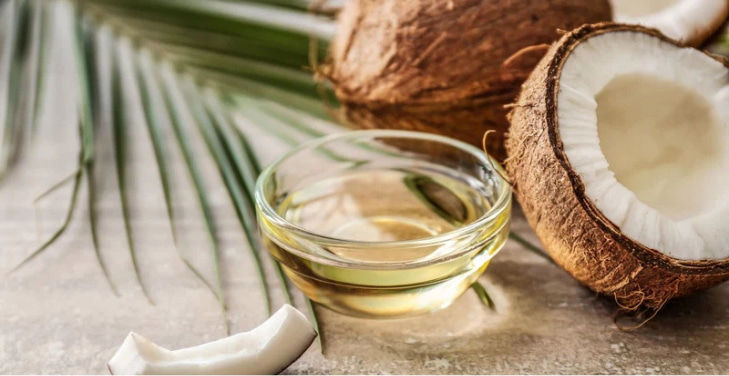
MCT oil is typically made from coconut or palm kernel oil through specialized processing.
What Is MCT Oil Made From?
MCT oil is a source of medium-chain triglycerides, produced through a specialized refining process from vegetable oils rich in medium-chain fatty acids. The raw material composition and processing method determine the characteristics of the final product.
Coconut Oil
Coconut oil provides a common raw material for MCT oil production due to its significant content of medium-chain fatty acids. The triglycerides in coconut oil contain caprylic acid (C8), capric acid (C10), caproic acid (C6), and a small amount of lauric acid (C12).
Palm Kernel Oil
Palm kernel oil also plays an important role in the commercial production of MCT oil. This raw material contains many medium-chain triglycerides, facilitating the separation and refinement of each fatty acid group by carbon chain length.
Specialized Processing
Manufacturers hydrolyze triglycerides to release fatty acids, then fractionate and refine them according to their chemical properties. The next step involves recombining the selected fatty acids with glycerol to form MCT oil with C8 and C10 concentrations suitable for the formulation target.
What Are Medium-Chain Triglycerides?
Medium-chain triglycerides (MCTs) are a group of fats consisting of a glycerol molecule linked to fatty acids with medium-length carbon chains. This structure confers unique metabolic properties, particularly in digestion, absorption, and energy utilization.
MCT Structure
Each triglyceride contains glycerol linked to three fatty acids. MCTs typically contain fatty acids with approximately 6–12 carbon atoms, with caproic acid (C6), caprylic acid (C8), and capric acid (C10) playing prominent roles in commercial MCT oil products.
Meaning of Medium-Chain
The term "medium-chain" describes the length of the carbon chain of the fatty acid. The number of carbon atoms affects the physical properties and metabolism of the fat, underpinning how the body processes MCTs after consumption.
Metabolic Processing
MCTs undergo relatively rapid digestion and absorption. These medium-chain fatty acids enter the portal circulation and travel to the liver, where the body can use them for energy production and ketone body manufacturing.
Which Oils Are Used to Make MCT Oil?
MCT oil is typically derived from vegetable oils rich in medium-chain fatty acids, particularly coconut oil and palm kernel oil. Manufacturers select raw materials based on lipid composition, purity, and the goal of creating an MCT formulation rich in C8 and C10 fatty acids.
Coconut Oil
Coconut oil provides significant amounts of caprylic acid (C8) and capric acid (C10), along with caproic acid (C6) and lauric acid (C12). These triglycerides provide a favorable raw material for hydrolysis, fractionation, and purification. The natural composition of coconut oil helps manufacturers obtain valuable medium-chain fatty acids for MCT formulations.
Palm Kernel Oil
Palm kernel oil also contains significant amounts of medium-chain fatty acids, especially C8 and C10, along with related fatty acids. Manufacturers can use this lipid source to produce MCT raw materials through specialized processing steps.
Natural MCT Content
Coconut oil and palm kernel oil contain naturally occurring MCTs in a diverse triglyceride blend. The refining process concentrates the MCT molecules into a product with a tightly controlled fatty acid composition.
What Fatty Acids Are Found in MCT Oil?
MCT oil concentrates medium-chain fatty acids with characteristic chain lengths, creating a lipid profile that supports rapid digestion and metabolism. The composition of each product depends on the source material and the degree of refinement.
Caprylic Acid (C8)
Caprylic acid contains 8 carbon atoms and is commonly found in commercial MCT oil. The C8 structure supports rapid absorption, after which the fatty acid travels to the liver to participate in energy metabolism and ketone body production.
Capric Acid (C10)
Capric acid contains ten carbon atoms and is often present in significant proportions in MCT formulations. C10 provides a source of medium-chain fatty acids for oxidation in the liver and contributes to the product's nutritional properties.
Caproic and Lauric Acids
Caproic acid (C6) appears in smaller amounts in many formulations. Lauric acid (C12) is naturally present in coconut and palm kernel oils and has unique metabolic properties. Manufacturers often concentrate C8 and C10 to create MCT oil formulations with a consistent and easily controllable composition.
How Is MCT Oil Extracted From Coconut and Palm Kernel Oil?
MCT oil undergoes a series of chemical and refining processes to concentrate medium-chain triglycerides from coconut or palm kernel oil. Each step controls the fatty acid composition, purity, and characteristics of the final product.
Triglyceride Breakdown
The manufacturer hydrolyzes triglycerides in the raw material to separate glycerol from fatty acids. This process releases caprylic acid (C8), capric acid (C10), and other fatty acids of different chain lengths, forming the basis for the next separation step.
Fatty Acid Separation
This technology separates fatty acids based on their physical and chemical properties, particularly their carbon chain length. The manufacturer collects fractions rich in C8 and C10, then refines them to achieve the desired purity and composition.
Recombination and Purification
Selected fatty acids are esterified to glycerol, forming medium-chain triglycerides. Final purification steps remove impurities, control stability, and produce MCT oil with a consistent fatty acid profile.
Is MCT Oil the Same as Coconut Oil?
Both MCT oil and coconut oil provide plant-based fats, each possessing its own unique fatty acid profile. MCT oil is refined to concentrate medium-chain triglycerides, creating a specialized fat source for nutrition and energy metabolism.
Fatty Acid Composition
Coconut oil contains various fatty acids, including lauric acid (C12), caprylic acid (C8), and capric acid (C10). MCT oil primarily concentrates C8 and C10, resulting in a more concentrated and consistent lipid composition.
Coconut Oil Composition
Coconut oil retains its natural triglyceride composition with a variety of fatty acids. Lauric acid is present in significant proportions, along with long-chain fatty acids, contributing to the oil's overall nutritional properties.
Concentrated MCT Source
MCT oil is made from MCT-rich raw materials, such as coconut or palm kernel oil, which undergo hydrolysis, fractionation, and purification. This process creates a product rich in C8 and C10 fatty acids, supporting the body's rapid absorption and metabolism of medium-chain fatty acids.
Does MCT Oil Contain Palm Oil?
MCT oil may use palm kernel oil as a raw material in its production process. This plant-derived component often forms the basis for MCT formulations rich in medium-chain fatty acids, particularly C8 and C10.
Palm Kernel Oil
Palm kernel oil is extracted from the kernel of the palm fruit and contains many medium-chain fatty acids. Manufacturers use this oil source to separate, refine, and concentrate triglycerides suitable for MCT oil formulations.
Palm Oil vs. Palm Kernel Oil
Palm oil is obtained from the fruit pulp, while palm kernel oil is obtained from the kernel. Both oils originate from the same tree species and possess distinct fatty acid profiles. MCT oil uses palm kernel oil in some production processes, providing C8 and C10 sources for specialized fractionation steps.
Reading Product Labels
Product labels may specify the source of ingredients, such as "coconut-derived" or "palm-kernel-derived." This information helps consumers identify the source of MCTs and choose products that meet their nutritional criteria, ingredient origin, or personal preferences.
What Determines the Quality of MCT Oil?
The quality of MCT oil depends on its fatty acid composition, the purity of the raw materials, and the quality control standards during production. These factors shape the nutritional value, stability, and consistency of the product.
C8 and C10 Concentration
Caprylic acid (C8) and capric acid (C10) typically play a central role in commercial MCT oil. The ratio of each fatty acid helps determine the formulation characteristics, dosage control, and intended use.
Purity and Processing
The hydrolysis, fractionation, purification, and esterification processes determine the purity of MCT. Good quality control technology helps remove impurities, maintain stability, and create a consistent fatty acid profile.
Ingredient Transparency
Product labels should clearly indicate the source of raw materials, the C8-to-C10 ratio, and any additional ingredients. Quality certifications, independent testing, and traceability information provide additional grounds for assessing product reliability.
How Does the Source Affect MCT Oil?
The source of the raw material plays a crucial role in shaping the fatty acid composition and properties of MCT oil. Coconut oil and palm kernel oil contain medium-chain triglycerides, which are then fractionated and refined to produce MCT formulations.
Coconut-Derived MCT
MCT derived from coconut oil typically starts with a mixture of triglycerides containing C6, C8, C10, and C12. Refining concentrates the desired fractions, particularly caprylic acid (C8) and capric acid (C10), thereby creating a fatty acid profile suitable for the target product.
Palm-Kernel-Derived MCT
Palm kernel oil provides a rich source of medium-chain fatty acids. Manufacturers extract these triglycerides through hydrolysis, fractionation, and recombination to control the C8 and C10 ratios in the final product.
Final Formulation
The oil source influences the initial raw material composition, while processing technology significantly determines the final profile. Refining standards, fatty acid ratios, and formulation targets all contribute to the unique characteristics of each MCT oil product.
Conclusion
MCT oil is primarily derived from coconut and palm kernel oils, both rich in medium-chain triglycerides. The production process focuses on concentrating the nutritionally valuable fatty acids, especially caprylic acid (C8) and capric acid (C10).
Hydrolysis, fractionation, purification, and recombination processes create a product with a controlled fatty acid profile. The source of raw materials, the C8:C10 ratio, purity, and production standards determine the final characteristics of MCT oil.
Frequently Asked Questions (FAQs)
- What is MCT oil made from? – MCT oil primarily comes from coconut oil and palm kernel oil. Manufacturers separate and refine medium-chain triglycerides to produce formulas rich in caprylic acid (C8) and capric acid (C10).
- Is MCT oil made from coconut oil? – Yes. MCT oil can be produced from coconut oil, which contains triglycerides with C6, C8, C10, and C12 fatty acid chains. Fractionation and refining concentrate the desired medium-chain fatty acids.
- Does MCT oil come from palm oil? – Yes. MCT oil can be produced from palm kernel oil, which contains substantial amounts of medium-chain fatty acids. Product labels can identify the raw material source.
- What fatty acids are in MCT oil? – MCT oil typically contains substantial amounts of caprylic acid (C8) and capric acid (C10). Some formulations also contain caproic acid (C6), depending on the source and refining process.
- How is MCT oil processed? – Manufacturers hydrolyze triglycerides to release fatty acids, fractionate them by chain length, refine the selected fractions, and recombine them with glycerol to produce MCT oil with a controlled composition.
