
Blueberries have emerged as a popular superfood in modern nutritional trends. Global consumers prioritize antioxidant-rich foods to improve health and optimize bodily functions.
Nutritional studies have shown that blueberries provide a high density of anthocyanins, which support cell protection and promote biological balance. The habit of incorporating blueberries into daily diets is spreading, creating a solid foundation for a healthy and sustainable lifestyle.
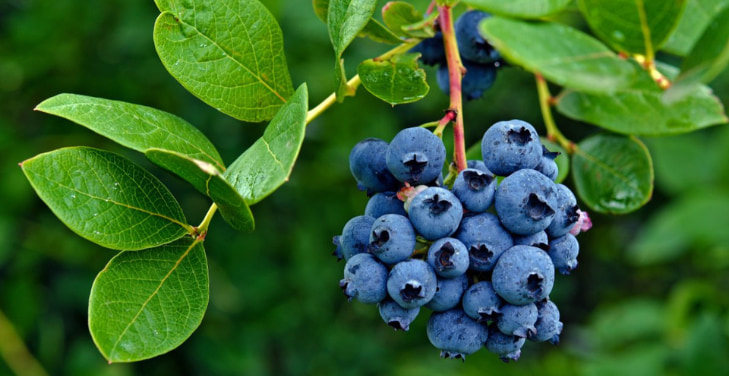
Blueberries packed with antioxidants help protect cells and support overall health daily.
What Are Blueberries?
Blueberries, with their deep bluish-purple color, make a strong impression among nutrient-rich fruits. Each small berry contains a high concentration of bioactive compounds that play an active role in maintaining overall health. Their refreshing flavor, juicy texture, and rich micronutrient content make them a standout choice in modern diets.
Botanical Characteristics
Blueberries belong to the genus Vaccinium and grow on low-growing shrubs. The fruit has a smooth, powdery skin, and inside it contains soft flesh and small seeds. The deep color reflects a high content of anthocyanins.
Natural Nutrient Profile
Each serving provides vitamin C, vitamin K, fiber, and numerous polyphenols. These compounds directly participate in cell protection and support efficient energy metabolism.
Dietary Relevance
Blueberries are easily incorporated into many meals, such as smoothies, salads, or cereals. This flexibility encourages regular consumption habits, thereby improving daily nutritional intake.
What Does "Rich in Antioxidants" Mean?
The phrase "rich in antioxidants" refers to a high density of bioactive compounds capable of protecting cells. These molecules directly participate in homeostasis, creating a strong biological defense against harmful agents.
Definition of Antioxidants
Antioxidants are molecules capable of neutralizing free radicals through the donation or acceptance of electrons. This process stabilizes molecular structures in the body, maintaining the integrity of cell membranes and genetic material.
Cellular Protection Mechanism
Free radicals are constantly formed during energy metabolism. Antioxidants control this activity, reducing oxidative stress on proteins, lipids, and DNA. This mechanism promotes a stable cellular environment and efficient biological activity.
Nutritional Significance
Foods rich in antioxidants provide a diverse source of plant compounds such as polyphenols and flavonoids. Regular presence in the diet contributes to long-term health and supports overall physiological function.
Key Antioxidants Found in Blueberries
Blueberries provide a broad spectrum of antioxidants with potent biological activity. These compounds are concentrated primarily in the bluish-purple peel, where many of the plant's natural protective reactions take place. The diverse combination of active molecules creates a synergistic effect, promoting cellular protection and optimizing physiological function.
Anthocyanins and Flavonoids
Anthocyanins create the characteristic pigmentation and play a central role in antioxidant activity. Flavonoids support the stability of blood vessel structure and enhance cell signaling related to cardiovascular and neurological health.
Vitamin C and Polyphenols
Vitamin C directly participates in neutralizing free radicals and regenerating other antioxidants. Polyphenols extend the scope of protection by regulating enzymes and reducing inflammatory responses in the body.
Synergistic Antioxidant Effects
The synergy between these compounds creates a multi-layered protective network. This mechanism enhances overall antioxidant effectiveness, helping the body maintain a stable and sustainable biological balance.
How Antioxidants Work in the Body
Antioxidants function as a sophisticated biological defense system, maintaining homeostasis at the cellular level. The reactions are continuous, creating a dynamic protective network that helps the body adapt to metabolic and environmental stresses.
Neutralizing Free Radicals
Free radicals carry unpaired electrons, creating a highly reactive state. Antioxidants provide electrons to stabilize these molecules. Neutralization occurs rapidly, minimizing the impact on membrane lipids, proteins, and DNA.
Reducing Oxidative Stress
Energy metabolism generates a continuous flow of free radicals. Antioxidants regulate the density of these molecules, maintaining a balance between production and control. This balance supports a stable biological environment and optimal cellular performance.
Supporting Cellular Repair
Antioxidants activate repair enzymes and regulate gene expression. These mechanisms promote cellular structural regeneration, enhance resilience, and maintain sustainable physiological function.
Benefits for Heart Health
Blueberries have a positive impact on the cardiovascular system through a powerful combination of antioxidants and essential micronutrients. The bioactive compounds in the fruit help regulate vascular function, promote stable circulation, and support efficient heart structure.
Vascular Protection
Anthocyanins strengthen blood vessel walls, increase elasticity, and help maintain stable blood pressure. These compounds promote smooth blood flow, allowing the vascular system to respond flexibly to physiological changes.
Cholesterol Regulation
Polyphenols in blueberries affect lipid metabolism, supporting cholesterol balance in the blood. This process helps reduce plaque buildup and maintain clear blood vessels.
Anti-inflammatory Effects
Antioxidants activate mechanisms that control inflammatory responses. The regulated inflammatory environment helps protect heart tissue and maintain stable contractile function, thereby improving overall cardiovascular health.
Brain Protection and Cognitive Support
Blueberries offer outstanding benefits to the nervous system through their high density of antioxidants and bioactive compounds. These molecules directly impact brain structure, promoting neurotransmission and supporting stable cognitive performance over time.
Neuronal Protection
Anthocyanins penetrate the blood-brain barrier and accumulate in nerve tissue. These compounds protect nerve cells from oxidative damage, maintaining the integrity of cell membranes and synaptic structures.
Cognitive Function Enhancement
Flavonoids stimulate blood flow to the brain, increasing the supply of oxygen and nutrients. This process supports memory, improves information processing speed, and enhances concentration.
Neuroinflammation Regulation
Polyphenols regulate inflammatory signals in the brain, creating a stable biological environment for nerve cells. This balance promotes flexible neural activity and sustains long-term cognitive performance.
Skin Health and Anti-Aging Effects
Blueberries offer outstanding benefits for the skin through their highly active antioxidant system. The bioactive compounds in the fruit directly participate in cell regeneration, strengthening skin structure and maintaining a youthful appearance over time.
Collagen Support
Vitamin C in blueberries stimulates collagen synthesis, increasing skin elasticity and firmness. This process strengthens the underlying structure, creating a smooth and even skin surface.
Protection Against Oxidative Damage
Anthocyanins protect skin cells from free radical damage. These molecules maintain the integrity of cell membranes, helping the skin retain its radiance and vitality.
Skin Renewal and Radiance
Polyphenols promote cell regeneration and enhance microcirculation under the skin. The skin receives sufficient nutrients, thus displaying a naturally radiant and healthy complexion.
Immune System Support
Blueberries play an active role in strengthening the immune system thanks to their high content of antioxidants and essential micronutrients. The bioactive compounds in the fruit help regulate the immune response, promoting natural defenses and maintaining a stable physiological balance.
Enhancing Immune Cell Function
Vitamin C activates the activity of white blood cells, enhancing their ability to recognize and process harmful agents. This process improves the efficiency of the immune response at the cellular level.
Anti-inflammatory Regulation
Anthocyanins and polyphenols regulate inflammatory signals, helping the body maintain an effective immune response. This balance supports stable homeostasis and increases biological adaptability.
Barrier Defense Support
The nutrients in blueberries strengthen natural defenses such as the skin and mucous membranes. This multi-layered defense system works in synergy, helping the body maintain strong and sustainable resistance.
Role in Disease Prevention
Blueberries play a crucial role in disease prevention strategies due to their high concentration of antioxidants and essential nutrients. The bioactive molecules in the fruit regulate numerous metabolic pathways, thereby supporting the maintenance of a stable physiological state and enhancing the body's resistance.
Chronic Disease Risk Reduction
Anthocyanins and polyphenols influence inflammation and oxidative stress, two factors closely linked to cardiovascular disease and metabolic disorders. This regulatory activity contributes to reducing the risk of chronic disease.
Metabolic Health Support
Plant compounds in blueberries support blood sugar control and improve insulin sensitivity. This mechanism promotes energy balance and maintains efficient metabolic function.
Cellular Longevity Enhancement
Antioxidants activate pathways that protect DNA and proteins. This process supports cellular longevity, contributing to improved overall health and a more stable biological state.
Best Ways to Maximize Antioxidant Intake
Optimizing antioxidant intake from blueberries requires a proactive approach and smart dietary choices. The combination of usage, timing, and food pairing creates a powerful biological effect, maximizing the body's absorption of beneficial compounds.
Fresh and Proper Handling
Fresh blueberries retain high anthocyanin content when refrigerated and consumed within a short time. Gentle rinsing before eating helps preserve the nutrient-rich skin. Frozen blueberries maintain most of the active ingredients and offer convenience for daily use.
Strategic Food Pairing
Pairing blueberries with foods rich in healthy fats, such as nuts or yogurt, increases polyphenol absorption. This combination promotes the bioavailability of antioxidant compounds in the body.
Consistent Daily Intake
A consistent daily consumption provides a continuous supply of antioxidants. Maintaining a stable oxidative balance in the body supports physiological functions and enhances overall health.
Conclusion
Blueberries provide a rich source of antioxidants, laying a solid foundation for overall health. The bioactive compounds work in harmony, promoting homeostasis and enhancing physiological performance across multiple organ systems.
The habit of incorporating blueberries into your daily diet helps the body maintain stability, strengthens adaptability, and protects cells. This simple choice offers long-term value, contributing to a foundation of sustainable health.
Frequently Asked Questions (FAQs)
- What are the most prominent antioxidants in blueberries? – Blueberries contain anthocyanins, flavonoids, vitamin C, and other polyphenols with antioxidant activity. These compounds help protect cells from oxidative stress and contribute to overall nutritional and physiological health.
- How many blueberries should I eat daily to boost antioxidant levels? – A serving of approximately 100–150 g of blueberries provides a meaningful amount of anthocyanins, polyphenols, fiber, and other nutrients. Regular consumption as part of a balanced diet helps maintain a consistent intake of antioxidant-rich plant compounds.
- Do frozen blueberries retain their antioxidants? – Frozen blueberries can retain substantial amounts of anthocyanins and polyphenols when they are quickly frozen and properly stored. They provide a convenient option for including antioxidant-rich fruit in meals throughout the year.
- What time of day is best for antioxidant absorption? – Blueberries can be consumed at various times of day, including with breakfast or main meals. Eating them alongside foods containing healthy fats may support the absorption of certain fat-soluble or lipid-associated plant compounds.
- How do blueberries help prevent disease? – The polyphenols and anthocyanins in blueberries help support the body's antioxidant defenses and healthy inflammatory responses. Including blueberries in a balanced diet may contribute to cardiovascular, brain, immune, and overall health.
