
Blueberries offer high nutritional value and a refreshing taste with every bite. Their vibrant color, delicate aroma, and subtly sweet flavor create a natural appeal, stimulating the taste buds and evoking positive emotions.
However, the quality of blueberries can change rapidly under improper storage conditions. This deterioration leads to the risk of microbial and toxin buildup. Early detection of spoilage helps protect health and maintain a safe eating experience.
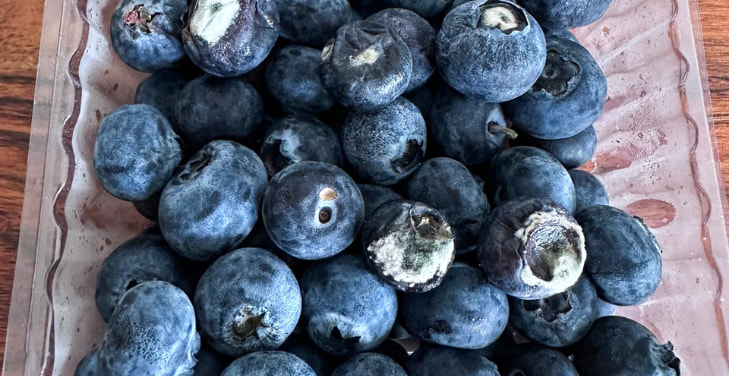
Spoiled blueberries with mold can cause food poisoning and digestive health issues.
What Are Bad Blueberries?
Spoiled blueberries indicate a decline in biological quality and food safety. The changes occur rapidly as environmental conditions promote microbial activity and enzymatic decomposition. Each small sign reflects an accelerating internal process.
Definition of Spoiled Blueberries
Spoiled blueberries are characterized by a broken structure, leakage of cell sap, and altered anthocyanin pigments. The fruit surface becomes soft and mushy, with an abnormal coating. Nutritional content decreases, antioxidant activity weakens, and microorganisms become dominant.
Common Causes of Spoilage
High humidity triggers rapid mold growth. Unstable temperatures promote oxidation and microbial fermentation. Mechanical damage during transport creates entry points for bacteria. Oxygen-rich air accelerates decomposition, causing the fruit to quickly lose its freshness.
Early Biological Changes
Increased cellular respiration consumes natural sugars. Endogenous enzymes break down pectin, softening its structure. Surface microorganisms move vigorously, creating a favorable environment for the continuous growth of bacteria and fungi.
How Blueberries Go Bad
Blueberries undergo a continuous series of biological changes as environmental conditions trigger decomposition reactions. Each small factor accelerates spoilage, leading to a noticeable decline in structure and nutritional quality.
Exposure to Moisture and Air
High humidity creates an ideal environment for yeast and mold to thrive. Water on the fruit's surface triggers natural fermentation, increasing the production of organic acids. Oxygen in the air promotes the oxidation of lipids and pigments, causing significant color changes and rapid weakening of cell structure.
Improper Storage Conditions
Constant temperature fluctuations enhance endogenous enzyme activity, accelerating the breakdown of pectin and cellulose. Storage in a cool, stable environment increases cellular respiration, rapidly depleting natural sugars. Mechanical stress from stacking causes bruising, allowing bacteria to penetrate deep into the fruit tissue.
Microbial Growth Acceleration
The microorganisms on the surface become highly active when favorable conditions are met. Bacteria and fungi grow simultaneously, forming a thick and spreading biofilm. The metabolic compounds produced during this process completely alter the smell, taste, and safety of the fruit.
Visible Signs of Spoiled Blueberries
Visual signs provide clear signals about blueberry deterioration. Each surface change reflects the increasing intensity of internal biological activity. Careful observation helps quickly identify the level of food safety.
Mold Growth and Discoloration
Mold growth creates a grayish-white or greenish coating on the skin. The colored spots spread rapidly, accompanied by a change in the characteristic purple color to a darker or duller tone. Anthocyanin pigments change under the influence of microorganisms, creating an uneven and less fresh surface.
Wrinkled or Mushy Texture
The fruit's structure becomes wrinkled as intracellular water escapes. The skin loses its firmness, and the flesh inside becomes noticeably soft and mushy. Light pressure creates a feeling of sinking, indicating that pectin bonds have significantly weakened and enzymatic degradation is occurring continuously.
Surface Leakage and Clumping
Fruit juice leaks out, forming a sticky, moist layer on the surface. The fruits stick together in clusters, creating a favorable environment for bacteria to grow rapidly. This phenomenon reflects the breakdown of cell membranes and a significant acceleration of microbial activity.
Smell and Taste Changes to Watch For
The smell and taste directly reflect the biochemical reactions taking place inside the blueberry. As decomposition accelerates, volatile compounds and metabolic products accumulate rapidly, creating noticeable changes that are easily perceived by the senses.
Sour or Fermented Odor
A sour smell appears when bacteria and yeast convert sugars into organic acids. Fermentation vapors spread strongly, characteristic of ethanol and lactic acid production. The intensity of the smell increases over time, indicating high levels of microbial activity.
Off or Bitter Flavor
Bitterness forms from phenolic compounds altered during oxidation. A sharp taste sensation appears immediately upon tasting, accompanied by a lingering aftertaste. The imbalance between natural sugars and acids creates an unstable and unpleasant taste experience.
Chemical-Like Aftertaste
A chemical aftertaste appears when decomposition products accumulate in the fruit tissue. Volatile compounds cause a slightly pungent sensation in the mouth. This phenomenon reflects a deep stage of decay, when the fruit's biological structure has undergone significant changes.
Risk of Mold and Mycotoxins
The risk from mold and mycotoxins arises when blueberries enter a deep state of spoilage. Microbial activity increases dramatically, leading to the accumulation of highly bioactive compounds that directly affect health.
Types of Mold Found on Berries
Fungal strains such as Botrytis, Penicillium, and Aspergillus grow rapidly on moist surfaces. The hyphae spread, invading the fruit tissue and forming dense networks. Each type of fungus has its own growth characteristics, contributing to a more rapid decomposition process.
Mycotoxin Production
Mycotoxins appear as secondary metabolic products of fungi. Compounds such as ochratoxin and patulin accumulate in the fruit tissue, potentially affecting the liver and digestive system. Toxin concentrations gradually increase over time, reflecting the increasing depth of fungal contamination.
Health Impact of Exposure
Exposure to mycotoxins triggers an inflammatory response in the body. The immune system reacts strongly, and metabolic functions are put under significant stress. Digestive symptoms become apparent, indicating the body is processing biotoxins from spoiled food.
Bacterial Contamination Risks
Bacterial contamination in blueberries occurs when environmental conditions and post-harvest handling create opportunities for pathogens to develop. This process is rapid, insidious, and directly impacts food safety.
Common Pathogens in Blueberries
Bacteria such as Salmonella, E. coli, and Listeria appear on the fruit's surface during cultivation and harvesting. They adhere to the thin skin and multiply rapidly when exposed to favorable humidity and temperature. The presence of these agents increases the risk of digestive disorders.
Sources of Contamination
Sources of contamination begin with soil, irrigation water, and organic fertilizers. Transportation and packaging further spread bacteria through direct contact. Handling equipment and human hands carry microorganisms, contributing to increased contamination density on the fruit's surface.
Rapid Bacterial Growth Conditions
Warm temperatures stimulate the rate of bacterial multiplication. A humid environment facilitates continuous microbial growth. Mechanical damage to the fruit opens the way for bacteria to penetrate deep into the tissue, thereby rapidly increasing the microbial load and the level of health risk.
Food Poisoning Symptoms from Bad Blueberries
Food poisoning from spoiled blueberries manifests through distinct physiological reactions when the body comes into contact with bacteria, toxins, and decomposition products. Symptoms appear progressively, reflecting the level of invasion and the strong immune response.
Gastrointestinal Distress Symptoms
Nausea appears early, accompanied by epigastric discomfort. Vomiting occurs as the body activates its mechanism to eliminate toxins. Diarrhea occurs with increased frequency, loose stools reflecting irritation of the intestinal mucosa. Abdominal cramps create a feeling of intermittent pain.
Onset and Symptom Timeline
Symptoms begin within a few hours when microbial toxins start affecting the digestive system. Some cases show rapid symptoms within 2–6 hours with clear signs. The progression lasts from several hours to several days depending on the bacterial load and individual resistance.
Systemic Reactions
Body temperature rises, causing mild to moderate fever. Widespread fatigue occurs as the immune system works continuously. Dehydration occurs due to prolonged diarrhea and vomiting, leading to dizziness and a noticeable decrease in energy.
Who Is Most at Risk?
Several population groups exhibit a high sensitivity to contaminated blueberries due to differing physiological characteristics and immune responses. The level of impact increases rapidly when the body encounters bacteria, toxins, or foodborne illnesses.
Children and the Elderly
Young children possess developing immune systems that react quickly to pathogens in food. The elderly experience a decline in natural immune function, significantly reducing their ability to control bacteria and toxins. Both groups are prone to severe and prolonged digestive symptoms.
Pregnant Women
Pregnant women experience hormonal and immune changes, creating conditions for pathogenic bacteria to thrive. Their digestive systems become more sensitive and react more strongly to contaminated food. The widespread impact can affect overall health during pregnancy.
People with Weakened Immunity
Individuals with weakened immune systems due to illness or medical treatment are more susceptible to bacteria and mycotoxins. Their bodies react slowly to eliminate harmful agents. Even small microbial loads are enough to trigger noticeable and prolonged symptoms.
How to Store Blueberries Safely
Proper storage helps maintain freshness, nutritional value, and limits microbial growth in blueberries. Each processing step plays a crucial role in controlling the surrounding environment of the fruit, thereby effectively extending its shelf life.
Refrigeration Best Practices
A stable cold temperature in the refrigerator maintains a low rate of cellular respiration. Blueberries retain their firm structure when placed in an airtight container. Storing at 0–4°C slows enzyme activity and limits bacterial growth.
Washing and Drying Techniques
Gently rinse under clean running water to remove dirt and microorganisms from the surface. Thoroughly dry with paper towels to reduce excess moisture. A dry surface creates a stable environment, limiting conditions favorable for mold growth.
Proper Container and Airflow
A container with air vents helps regulate humidity and airflow. Arranging the fruit in thin layers reduces mechanical stress and preserves its natural structure. A clean and dry storage space helps maintain fruit quality over a longer period.
How to Tell If Blueberries Are Safe to Eat
Evaluating the safety of blueberries is based on direct observation and sensory perception, allowing for quick determination of the food's condition. Each criterion reflects the biological state and stability of the fruit during storage.
Visual Freshness Indicators
Safe blueberries have a smooth, firm skin, a uniform bluish-purple color, and a light, natural white powdery coating. The surface is dry, and each berry is clearly separated. A round, full shape indicates intact cell structure and well-maintained quality.
Texture and Firmness Check
Firmness reflects the stable state of the fruit tissue. When lightly touched, the fruit retains its shape and feels slightly elastic. The internal structure maintains strong pectin bonds, helping the fruit retain its characteristic juiciness and freshness.
Aroma and Taste Confirmation
The natural aroma has a mild, sweet, and refreshing nuance. The balanced taste between sweetness and mild acidity creates a pleasant sensation when enjoyed. These characteristics indicate that the transformation process is stable and the fruit has reached a state suitable for use.
Prevention Tips to Avoid Spoilage
Preventing spoilage helps maintain the quality and safety of blueberries throughout their shelf life. Each selection and processing step creates an effective control chain, keeping the fruit fresh and stable.
Selecting High-Quality Blueberries
Fresh blueberries have a deep purplish-blue color, an even natural bloom, and a plump, round shape. A dry and uniform surface reflects a standard harvesting and storage process. Careful selection from the start reduces the risk of carrying harmful microorganisms.
Proper Handling at Home
Quickly rinse under clean water to remove dirt and bacteria. Dry thoroughly with paper towels to ensure a dry and airy surface. Gently arrange in a container to maintain the fruit's structure and minimize mechanical damage.
Temperature and Storage Control
A stable cold temperature in the refrigerator keeps biological activity at a low level. A container with ventilation holes regulates humidity and surrounding air. A clean and dry environment helps slow the growth of bacteria and mold, extending the freshness of the fruit.
Conclusion
Spoiled blueberries reflect a strong chain of biological changes, from structural degradation to microbial proliferation. Visual signs, smell, and taste provide clear signals about food safety levels. Early identification helps control risks effectively.
Proper storage maintains freshness and nutritional value. Careful selection, clean handling, and stable storage create a protective barrier for food, supporting overall health.
Frequently Asked Questions (FAQs)
- Can bad blueberries cause immediate harm? – Spoiled blueberries can trigger rapid digestive reactions as bacteria and toxins enter the body. Symptoms such as nausea, diarrhea, and abdominal cramps may occur, depending on contamination level and individual sensitivity.
- Can moldy blueberries be washed and eaten again? – Mold can penetrate deep into the fruit and produce mycotoxins. Washing removes only surface contamination, while harmful substances may remain inside, making consumption unsafe.
- What are the signs that blueberries are starting to spoil? – Spoiling blueberries may show mold spots, dull color, and a soft or mushy texture. Sticky residue and clumping also indicate increased microbial activity and reduced freshness.
- How should one handle eating spoiled blueberries? – Hydration and electrolyte balance help support recovery after consuming spoiled blueberries. Monitoring symptoms such as digestive discomfort and fatigue is important, and medical care may be needed in more severe cases.
- How to reduce the risk of buying poor-quality blueberries? – Choose blueberries with uniform color, a natural bloom, and a dry surface. Checking packaging and storage conditions helps reduce exposure to contamination and supports better quality selection.
