
Flavonoids are present in many fruits, vegetables, teas, and plant-based foods, and have garnered attention for their potential health benefits. Many people choose flavonoids as part of their diet or through supplements.
But are flavonoids suitable for everyone and in every dosage?
Understanding the risks, side effects, and precautions when using them helps you make informed choices, maximize health benefits, and develop a safe, personalized supplementation plan.
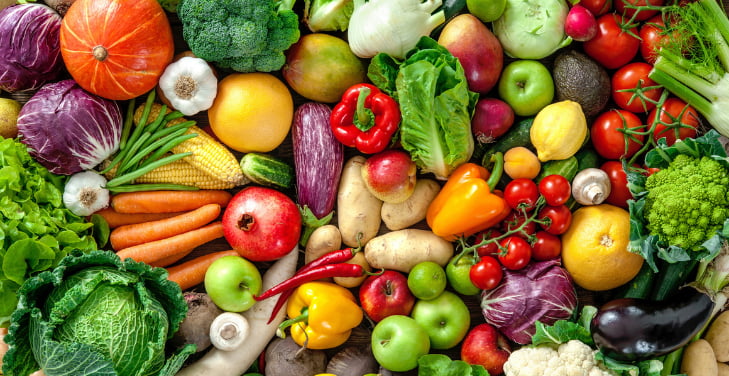
Flavonoid-rich foods and supplements may require caution for certain people and health conditions.
What Are Flavonoids?
Flavonoids are a group of highly bioactive plant compounds widely present in many vegetables, fruits, tea, cocoa, and herbs. These compounds participate in numerous physiological processes and contribute to the nutritional value of plant-based foods.
Natural Sources of Flavonoids
Apples, berries, citrus fruits, onions, broccoli, green tea, black tea, cocoa, and legumes all provide abundant amounts of flavonoids. Flavonoid content varies depending on the plant variety, growing conditions, ripeness, and processing methods.
Major Flavonoid Classes
Flavonoids include several groups such as flavonols, flavones, flavanones, flavan-3-ols, anthocyanins, and isoflavones. Each group possesses its own chemical structure, is distributed in different food sources, and exhibits specific biological properties.
Biological Functions
Flavonoids regulate antioxidant activity, inflammatory responses, vascular endothelial function, and cell signaling. The body absorbs, metabolizes, and excretes flavonoids through various biological pathways, thereby determining the activity and effects of each compound.
Are Flavonoids Safe for Most People?
Flavonoids from natural foods are generally safe for most healthy individuals and can contribute to a better diet. The level of safety depends on the source, consumption amount, and individual health characteristics.
Flavonoids From Everyday Foods
Green vegetables, fruits, tea, and legumes provide flavonoids along with fiber, vitamins, and minerals. This combination provides comprehensive nutritional value and supports many important physiological functions.
Dietary Intake Versus Supplements
Dietary supplements contain concentrated flavonoids in much higher amounts than a typical diet. Choosing quality products, using the correct dosage, and targeting the right goals helps build a sound supplementation strategy.
Current Scientific Evidence
Current studies indicate that flavonoids from food are suitable for the daily diet of most adults. Experts continue to expand the data on the effectiveness and safety of supplements containing high levels of flavonoids.
Common Side Effects of Flavonoids
Flavonoids from food are generally well tolerated, while high-dose supplements may produce some undesirable reactions in some individuals. The level of response is influenced by the dose, duration of use, and the body's metabolic characteristics.
Digestive Discomfort
Some people experience bloating, gas, nausea, or changes in bowel movements after taking high doses of flavonoids. These symptoms are often related to the digestive system's ability to adapt to the amount of active ingredient supplemented.
Allergic Responses
Flavonoids derived from plants such as chrysanthemum, soy, or citrus fruits may trigger hypersensitivity reactions in people with allergies. Common manifestations include rash, itching, hives, or skin irritation.
Individual Tolerance
Each person has a different ability to absorb and metabolize flavonoids. Age, health status, diet, and gut microbiome all contribute to tolerance and experience when using flavonoids.
Potential Risks of High-Dose Flavonoid Supplements
High-dose flavonoid supplements produce levels of active ingredients far exceeding those obtained from a normal diet. Prolonged use at high doses requires scientific evidence and individual health assessment to ensure suitability and safety.
Excessive Intake Concerns
Excessive flavonoid levels can alter many biological processes related to enzyme activity, cell signaling, and oxidative balance. The response depends on the type of flavonoid, the dose used, and the duration of supplementation.
Effects on Nutrient Metabolism
Some flavonoids affect the absorption and metabolism of micronutrients such as iron or other minerals. Maintaining appropriate dosages helps create a balanced supplementation plan that complements daily nutrition.
Long-Term Safety and Dosage
Scientific data on the use of very high doses of flavonoids over long periods continues to expand. Adhering to recommended dosages and choosing products that meet quality standards contributes to improved effectiveness and maintains safety during use.
Medication Interactions to Consider
Flavonoids can affect the activity of certain medications through their absorption, metabolism, and biological effects in the body. Understanding potential interactions helps develop appropriate dietary supplement plans and improve treatment safety.
Blood-Thinning and Blood Pressure Medications
Some flavonoids affect platelet function, circulation, and vascular tone. This property influences the effectiveness of anticoagulants or antihypertensive medications, so combination use requires assessment from a healthcare professional.
Diabetes Medications
Some studies have shown that flavonoids help regulate glucose metabolism and improve insulin sensitivity. People taking diabetes medication need to monitor their blood glucose regularly to maintain control and adjust their treatment plan as needed.
Liver Enzyme Metabolism
Many flavonoids affect the activity of drug-metabolizing enzymes in the liver, thereby altering the concentration of certain substances in the blood. Using the correct dosage and consulting with a healthcare professional helps optimize treatment effectiveness and ensure safety.
Who Should Be Cautious With Flavonoids?
Flavonoids offer many nutritional benefits; however, certain groups require careful evaluation before using high-dose supplements. Health conditions, medications, and physiological stages all influence the appropriate level of flavonoid supplementation.
Pregnancy and Breastfeeding
Pregnant and breastfeeding women should choose products based on professional recommendations. Data on the safety of many high-dose flavonoid preparations continues to expand, so evaluating benefits and appropriateness is crucial.
Chronic Health Conditions
Individuals with cardiovascular disease, diabetes, liver disease, or kidney disease need to develop a flavonoid use plan that aligns with their current treatment status. Regular health monitoring helps optimize effectiveness and increase safety.
Surgery and Multiple Medications
Individuals preparing for surgery or taking multiple prescription medications should consult their doctor before supplementing with flavonoids. This combination helps minimize the risk of drug interactions, supports treatment, and ensures optimal healthcare outcomes.
How to Reduce the Risk of Side Effects
Proper use of flavonoids enhances supplemental effectiveness and maintains safety. Choosing the right product, controlling dosage, and monitoring the body's response form the foundation for a sustainable supplementation strategy.
Start With an Appropriate Dose
The appropriate dosage helps the body adapt to the active ingredient and supports the assessment of individual tolerance. Adjusting the dosage according to professional guidance helps optimize long-term effectiveness.
Choose High-Quality Products
Products from reputable manufacturers with clear testing standards provide high reliability in terms of flavonoid content and composition. Product labels with complete information help users make more informed choices.
Monitor Your Body's Response
Monitoring changes in digestion, skin, energy, and overall health helps detect early reactions during supplementation. Regular check-ups and consultations with healthcare professionals help develop a flavonoid use plan tailored to each stage of health.
When Should You Seek Medical Advice?
Seeking medical advice at the right time helps assess the cause of symptoms and develop an appropriate flavonoid use plan. Closely monitoring changes in the body helps improve the effectiveness of supplementation and protect long-term health.
Persistent or Severe Symptoms
Persistent symptoms such as abdominal pain, nausea, diarrhea, rash, or swelling of the lips and tongue require early medical evaluation. Timely examination helps determine the severity of the reaction and choose the appropriate course of treatment.
Existing Medical Conditions
Individuals being treated for cardiovascular disease, diabetes, blood clotting disorders, liver disease, or kidney disease should discuss with their doctor before supplementing with high doses of flavonoids. Professional evaluation helps optimize the treatment plan and reduce the risk of interactions.
Before Starting Long-Term Supplementation
Long-term flavonoid use plans should be based on your health condition, diet, and medications you are currently taking. Medical consultation helps determine the appropriate dosage, duration of supplementation, and safe and effective monitoring methods.
Conclusion
Flavonoids offer numerous health benefits when used in appropriate doses and within the context of a balanced diet. Natural foods remain a safe and nutritious source of flavonoids.
High-dose flavonoid supplements should be carefully selected based on health conditions, medications being used, and health goals. Adhering to professional guidance, monitoring the body's response, and regular check-ups optimize supplementation effectiveness while maintaining safety throughout use.
Frequently Asked Questions (FAQs)
- Can flavonoids cause side effects? – Flavonoids may cause bloating, digestive discomfort, headaches, or allergic reactions in some individuals, particularly when taken in high-dose supplement form. The likelihood of side effects depends on the specific flavonoid, dosage, and individual health status.
- Are flavonoid supplements safer than flavonoids from food? – Flavonoids obtained from fruits, vegetables, and other plant foods are generally considered safe as part of a balanced diet and provide additional nutrients such as fiber, vitamins, and minerals. Supplements contain more concentrated amounts and should be used according to the recommended dosage and guidance from a healthcare professional.
- Can flavonoids interact with prescription medications? – Yes. Some flavonoids may influence drug-metabolizing enzymes or affect platelet function and glucose metabolism. People taking prescription medications should consult a healthcare professional before using flavonoid supplements.
- Who should avoid high-dose flavonoid supplements? – Pregnant or breastfeeding women, people with liver disease, kidney disease, blood clotting disorders, or those receiving treatment for multiple medical conditions should seek medical advice before using high-dose flavonoid supplements.
- What is the safest way to take flavonoids? – The safest approach is to obtain flavonoids from a varied diet rich in fruits, vegetables, tea, legumes, and other plant foods. If supplements are used, follow the recommended dosage, monitor your response, and consult a healthcare professional regularly.
