
Every day, the body is exposed to thousands of natural compounds from food, among which saponins attract significant attention due to their ability to influence many important biological processes. These plant molecules contribute to shaping nutritional quality and affect health through various mechanisms.
Saponins are found in legumes, grains, and many familiar plants. Understanding the advantages and limitations of saponins helps build a scientific diet, optimize nutritional benefits, and make choices that suit individual health needs.
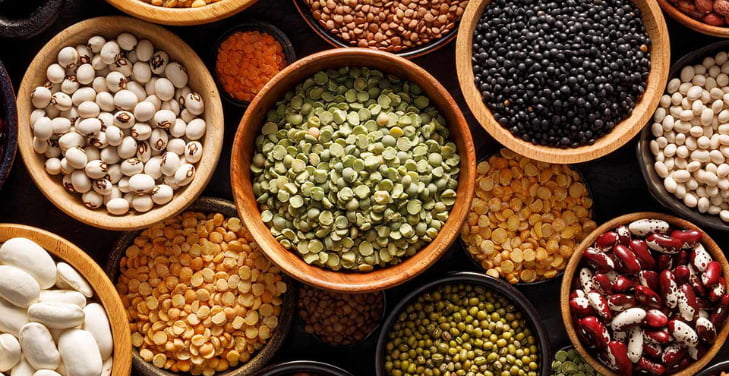
Saponins naturally occur in legumes and grains, offering both nutritional benefits and potential risks.
What Are Saponins?
Saponins are a group of naturally occurring compounds widely distributed in many plant species. Their characteristic chemical structure and rich biological activity make them a subject of much interest in modern nutrition and medicine.
Definition and Chemical Structure
Saponins are formed from sapogenins linked to one or more sugar chains. This structure creates the foaming property upon contact with water and determines many important biological activities in the body.
Natural Functions in Plants
Plants use saponins as a natural defense mechanism against environmental impacts. These compounds help maintain plant vitality, support growth, and increase adaptability to various conditions.
Common Dietary Sources
Soybeans, chickpeas, lentils, quinoa, oats, and many other legumes provide significant amounts of saponins. A varied diet helps provide these compounds along with fiber, vitamins, minerals, and other phytonutrients that are valuable for health.
How Saponins Work in the Body
After entering the body, saponins participate in many biological processes related to the digestive system, lipid metabolism, and cellular activity. The effectiveness of this compound depends on the characteristics of the food, the amount consumed, and the physiological characteristics of each individual.
Absorption and Metabolism
The gut microbiota and digestive enzymes transform saponins. The metabolic products continue to participate in many biological reactions, contributing to the overall health effects.
Interaction with Cholesterol, Cell Membranes, and Digestion
Saponins interact with cholesterol and cell membranes through their characteristic chemical structure. At the same time, these compounds affect the digestive environment, influencing the absorption of certain nutrients and shaping the body's biological response according to its specific metabolic conditions.
Pros of Saponins
Saponins offer numerous biological benefits due to their involvement in important metabolic processes. Many studies continue to explore the potential of these compounds in preventive nutrition and healthcare through various mechanisms of action.
Supports Cardiovascular Health
Saponins help maintain beneficial cholesterol metabolism, thereby supporting cardiovascular health. A diet rich in saponin-containing foods combined with a healthy lifestyle helps build a strong foundation for the circulatory system.
Provides Antioxidant and Immune Support
The antioxidant activity of saponins helps protect cells from the effects of free radicals. At the same time, these compounds help regulate the immune response, supporting the body's ability to maintain a stable physiological state.
Promotes Metabolic Balance
Saponins participate in many processes related to lipid, sugar, and energy metabolism. The presence of this compound in a plant-rich diet contributes to improved nutritional quality, supports metabolic balance, and enhances long-term health.
Enhances Overall Dietary Quality
Foods rich in saponins often also provide fiber, vitamins, minerals, and many valuable phytonutrients. This combination helps build a diverse diet, increases nutrient density, and supports the body's efficient functioning each day.
Cons of Saponins
Saponins offer many nutritional benefits, but they also have some adverse effects when the body receives large amounts or has a high sensitivity. Understanding these limitations helps build a suitable diet and optimize health care effectiveness.
Digestive and Nutrient Effects
High saponin levels can increase feelings of bloating, gas, or gastrointestinal discomfort in some people. These compounds also affect the absorption of certain minerals and nutrients, thereby impacting the body's ability to utilize them.
Concerns with Concentrated Supplements
Supplements containing concentrated saponins provide a high concentration of active ingredients per serving. Using more than the recommended amount increases metabolic stress and the likelihood of adverse reactions in sensitive individuals. Choosing the right dosage and following professional guidance enhances safety during use.
Who May Benefit Most from Saponins?
Saponins are suitable for many groups of people due to their ability to supplement valuable plant compounds. When incorporated into a balanced diet, these compounds contribute to improved nutritional quality and support many important physiological functions of the body.
Individuals Following Plant-Based Diets
People who maintain a plant-based diet often obtain saponins from legumes, whole grains, and quinoa. These food sources also provide fiber, vitamins, minerals, and many phytonutrients, contributing to a nutrient-rich diet.
People Seeking Heart-Healthy Foods
Those who prioritize cardiovascular health benefit from incorporating saponin-rich foods into their daily meals. These compounds help support lipid metabolism and help maintain a favorable metabolic environment for the circulatory system.
Those Aiming to Improve Overall Nutrition
Individuals wishing to improve the quality of their diet can choose foods containing saponins as part of a varied menu. Incorporating multiple plant sources helps increase nutrient density, promote metabolic balance, and support long-term health.
Who Should Limit or Avoid Saponins?
Saponins are suitable for most adults when found in natural foods. However, some groups need to adjust their intake to maintain digestive comfort and optimize health benefits.
People with Sensitive Digestive Systems
Individuals with sensitive digestive systems may experience bloating, indigestion, or irritation after consuming large amounts of saponin-rich foods. Choosing appropriate portion sizes and proper preparation can help the body adapt more easily.
Individuals with Food Allergies or Intolerances
Those sensitive to soy, beans, or certain grains should assess their tolerance before increasing their intake of saponin-containing foods. Monitoring their body's reaction helps build a diet tailored to their individual characteristics.
People Using Medications or Herbal Supplements
Individuals using long-term medications or herbal products should consult with a healthcare professional before supplementing with large amounts of saponins from dietary supplements. This approach helps develop a safe and appropriate nutritional plan that aligns with their treatment goals and current health status.
How to Reduce Potential Risks
Using foods containing saponins in the right way enhances their nutritional value and facilitates the body's absorption of this compound. Simple preparation steps in daily cooking have a positive effect on meal quality.
Wash and Prepare Foods Properly
Thoroughly rinsing quinoa under running water helps remove most of the saponins adhering to the grain's surface. Soaking beans before cooking also improves food texture and aids digestion.
Cook Thoroughly and Eat a Balanced Diet
Cooking beans, grains, and other saponin-rich foods thoroughly improves tolerance. A varied diet with many food groups provides sufficient vitamins, minerals, protein, and fiber, thus maintaining nutritional balance for the body.
Use Supplements Responsibly
Supplements containing saponins are most effective when used at the correct dosage as directed by professionals. Choosing products with clear origins and controlled quality contributes to increased safety during long-term supplementation.
Conclusion
Saponins are a group of plant compounds with high biological value, contributing to cardiovascular health, metabolic balance, and improved dietary quality. However, consumption levels, preparation methods, and individual health characteristics all influence the user experience.
Choosing foods rich in saponins from natural sources, maintaining a varied diet, and applying appropriate preparation methods optimize nutritional benefits. Decide whether to supplement with saponins based on health goals, individual needs, and guidance from healthcare professionals for long-term effectiveness.
Frequently Asked Questions (FAQs)
- Are saponins safe for daily consumption? – Saponins from natural food sources are suitable for the daily diets of most healthy people. Foods such as legumes and quinoa provide saponins along with fiber, vitamins, minerals, and other beneficial plant compounds that contribute to overall nutrition.
- Which foods are high in saponins? – Common dietary sources of saponins include soybeans, chickpeas, lentils, kidney beans, quinoa, oats, and certain vegetables and herbs. Eating a variety of these foods helps provide a broad range of beneficial phytochemicals.
- Do saponins help lower cholesterol? – Research suggests that saponins may support healthy cholesterol metabolism by interacting with bile acids and cholesterol in the digestive tract. Their effects depend on the overall diet, lifestyle, and individual metabolic characteristics.
- Do cooking methods alter saponin content? – Yes. Soaking, rinsing thoroughly, and cooking can reduce saponin levels in many foods, particularly quinoa and legumes. These preparation methods also improve flavor, texture, and digestive tolerance.
- Should you use saponin supplements? – Saponin supplements may be appropriate for certain health goals when used correctly. Choosing high-quality products and consulting a healthcare professional can help ensure safe and appropriate long-term supplementation.
