
Red clover appears as a familiar weed in meadows, yet it has attracted significant attention in the fields of nutrition and healthcare. Many experts highly value the natural sources of isoflavones and other bioactive plant compounds provided by this herb.
A single cup of red clover tea offers a modest amount of active compounds, while standardized extracts provide a much more concentrated concentration of isoflavones. This difference significantly impacts daily dosage, supplement effectiveness, and the selection of products suitable for individual health goals.
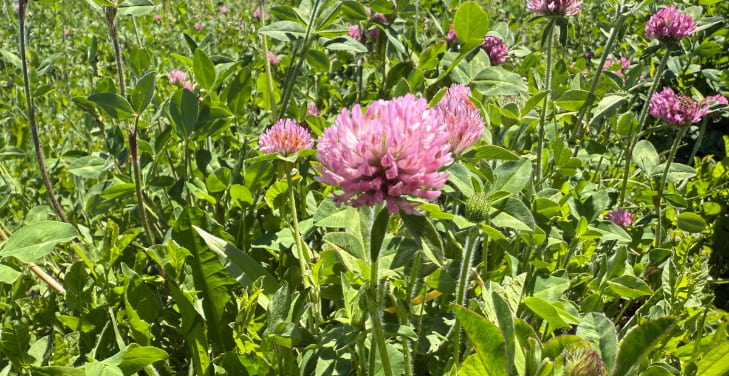
Fresh red clover blossoms beside herbal capsules illustrating common daily supplement dosage recommendations.
Understanding Red Clover and Its Active Compounds
Red clover has attracted researchers' attention due to its rich array of plant-derived bioactive compounds. This herb is found in many supplements, herbal teas, and standardized extracts to support health.
What Is Red Clover?
Red clover (Trifolium pratense) belongs to the legume family and grows in many temperate regions. Its flowers contain many isoflavones and other valuable plant compounds. High-quality medicinal sources are typically harvested and preserved using proper procedures to maintain their active ingredient content.
Key Active Compounds
Red clover provides four prominent isoflavones: biochanin A, formononetin, genistein, and daidzein. These compounds support antioxidant activity, regulate endocrine signaling, and contribute to cellular protection. In addition, red clover contains flavonoids, coumarins, and many other biologically valuable phenolic compounds. Why These Compounds Matter
The active compounds in red clover are involved in numerous biological processes related to cardiovascular health, bone health, skin health, and menopause. Many studies continue to evaluate the role of isoflavones in supporting metabolic function and enhancing overall health.
How Much Red Clover Daily Is Recommended?
The daily dose of red clover depends on the product form, isoflavone content, and health goals. Choosing the right dosage optimizes effectiveness and maintains safety during supplementation.
Typical Daily Dosage
Studies typically recommend 40–80 mg of isoflavones from red clover daily. For red clover tea, many people choose 1–3 cups per day depending on the brewing concentration. Capsules and standardized extracts usually clearly state the active ingredient content on the label, facilitating precise dose adjustment.
Choosing the Right Amount
The need for supplementation varies with age, health status, diet, and supplementation goals. Adults typically start with the lowest dose recommended by the manufacturer, then adjust based on tolerance and guidance from a healthcare professional.
Factors That Influence the Right Daily Amount
The appropriate red clover dosage varies depending on individual characteristics. A thorough assessment of individual factors helps choose the right supplement amount and support long-term health goals.
Health Goals
Usage goals directly influence the daily red clover intake. Individuals seeking support for menopausal symptoms, bone health, or cardiovascular health often use different dosage levels as directed by a healthcare professional and product information.
Product Strength
Each product contains a different amount of isoflavones. Capsules, liquid extracts, and herbal teas have varying concentrations of the active ingredient. Checking the isoflavone content on the label helps determine the correct dosage and maintain consistency during supplementation.
Individual Response
Age, weight, diet, and metabolic capacity determine how the body responds to red clover. Monitoring the response during use helps adjust the dosage to suit actual needs.
Recommended Daily Dosage by Form
Each form of red clover has its own concentration of active ingredients and usage instructions. Choosing the right formulation helps determine the correct daily dosage and supports the maintenance of supplemental effectiveness.
Red Clover Tea
Adults typically consume 1–3 cups of tea per day. Each cup is brewed with approximately 1–2 teaspoons of dried flowers in hot water for 10–15 minutes to extract the plant-based active ingredients.
Capsules and Standardized Extracts
Capsules and standardized extracts typically provide 40–80 mg of isoflavones per day, based on the dosages used in many studies. The active ingredient content listed on the product label helps users determine the precise amount to supplement.
Liquid Extracts and Dried Herb
Liquid extracts are used in drops or milliliters as directed by the manufacturer. The dried herb form is suitable for brewing tea or incorporating into herbal formulas, offering flexibility in adjusting daily dosage.
Best Time to Take Red Clover
The timing of red clover consumption affects the consistency of your supplement routine and the absorption of the active ingredients. Choosing the right time helps maintain stable isoflavone levels in the body.
Take With Meals
Many experts recommend taking red clover with meals to facilitate better absorption and provide a more comfortable feeling for the digestive system. Users should maintain the same time each day to form a regular habit.
Morning or Evening?
Morning is suitable for those who schedule daily supplementation right after breakfast. Evening is suitable for those who prefer to take it after dinner. The choice of time should be based on your personal schedule to maintain consistency over the long term.
Potential Benefits of Taking Red Clover Daily
Daily use of red clover in appropriate doses can provide numerous health benefits due to its isoflavone content and natural antioxidant compounds. The effectiveness depends on individual health conditions, diet, and duration of use.
Menopause Support
Isoflavones in red clover support hormonal balance and contribute to reducing the intensity of menopausal symptoms such as hot flashes, night sweats, and mood swings. Many studies continue to evaluate the value of this compound in middle-aged women.
Bone and Heart Health
Red clover helps maintain bone density and supports cardiovascular health through its antioxidant activity and positive effects on vascular function. Regular supplementation combined with a healthy lifestyle enhances long-term health benefits.
Skin Wellness
The botanical compounds in red clover help protect skin cells from oxidative stress, helping maintain skin elasticity, moisture, and a healthy appearance.
Safety, Side Effects, and Maximum Intake
Red clover offers many health benefits when used correctly and for the right target group. Adhering to professional guidelines optimizes supplemental effectiveness while maintaining safety throughout use.
Safe Daily Intake
Most clinical studies use approximately 40–80 mg of red clover isoflavones daily for several months. Users should choose standardized products, carefully read the active ingredient content, and adhere to the manufacturer's recommended dosage to maintain appropriate supplementation levels.
Possible Side Effects
Some people may experience bloating, mild digestive discomfort, headaches, or changes in menstrual cycles during the initial period of use. Monitoring your body's response helps you adjust your supplementation plan to suit your individual needs.
Who Needs Medical Guidance
Pregnant women, breastfeeding women, people with hormone sensitivities, those preparing for surgery, or those taking anticoagulants should consult a healthcare professional before supplementing with red clover to develop a safe and effective usage plan.
Who Should Be Cautious With Daily Red Clover?
Red clover contains many bioactive isoflavones, so certain groups need to develop a supplementation plan tailored to their health conditions. Assessing individual factors before use helps improve effectiveness and maintain safety.
People With Hormone-Sensitive Conditions
Individuals with a history of hormone-related conditions should consult their doctor before using red clover. Isoflavones can interact with estrogen receptors, so a healthcare professional will assess the benefits, risks, and appropriate dosage for each case.
People Taking Certain Medications
Individuals taking anticoagulants, hormone-regulating medications, or other long-term medications should have their potential interactions reviewed by a healthcare professional. A thorough review of all medications and supplements will help develop a suitable red clover usage plan.
Pregnancy and Breastfeeding
Pregnant women and breastfeeding women should consult a healthcare professional before supplementing with red clover. A doctor will consider the patient's health condition, nutritional needs, and available scientific data to provide appropriate guidance for each stage.
Tips for Choosing a Quality Red Clover Supplement
Product quality determines the value of daily red clover supplementation. Choosing the right product ensures a consistent level of active ingredients, supports effective use, and increases reliability over the long term.
Check Standardized Isoflavones
Standardized isoflavone content helps users accurately determine the amount of active ingredient in each serving. This information forms the basis for maintaining consistent dosage and aligning with health goals.
Look for Third-Party Testing
Third-party certification reflects the quality of manufacturing, purity, and accuracy of the ingredients listed on the label. Independent evaluation processes contribute to increased product reliability.
Review Ingredient Quality
A clear ingredient list, transparent sourcing, and rigorous manufacturing standards demonstrate the quality of a dietary supplement. Reputable manufacturers typically disclose complete information about their quality control processes and the active ingredient content in each batch of their products.
Conclusion
Red clover offers positive value when users choose the right product form, maintain appropriate dosage, and use it regularly according to their health goals. Each body reacts differently based on its biological characteristics, so supplementation plans should be based on individual needs and current conditions.
Practical advice is to prioritize standardized products, monitor your body's response, and consult with a healthcare professional when developing a long-term plan. A scientific approach optimizes the benefits of red clover and supports sustainable health care.
Frequently Asked Questions (FAQs)
- Can red clover be used daily? – Red clover may be used daily when taken at the recommended dosage and sourced from a high-quality product. Consistent supplementation helps maintain stable isoflavone intake and may support cardiovascular, bone, and hormonal health based on individual wellness goals.
- What is the appropriate daily dose of red clover? – Many clinical studies have used approximately 40–80 mg of red clover isoflavones per day. For red clover tea, a common intake is one to three cups daily. The ideal dosage depends on the product form, intended use, and guidance from a healthcare professional.
- When is the best time to take red clover for optimal effectiveness? – Many people take red clover with meals to establish a consistent routine and support supplement use. Taking it at the same time each day may help maintain regular intake over the long term.
- Can red clover cause side effects? – Some people may experience mild side effects such as bloating, digestive discomfort, headaches, or changes in menstrual patterns when first using red clover. Monitoring symptoms and consulting a healthcare professional can help determine whether supplementation remains appropriate.
- Who should consult a doctor before using red clover? – Pregnant or breastfeeding women, people with hormone-sensitive conditions, and those taking anticoagulants or hormone-related medications should consult a healthcare professional before using red clover supplements.
