
Hormonal health determines a woman's quality of life more than almost any other nutritional factor. When hormones function harmoniously, the body maintains energy, skin glows, menstrual cycles are stable, and mental well-being is positive throughout life.
Primrose oil stands out due to its high content of gamma-linolenic acid (GLA), an essential fatty acid involved in many vital biological processes. Research continues to explore the role of this oil in supporting women's health, expanding our understanding of nutrition and holistic body care.
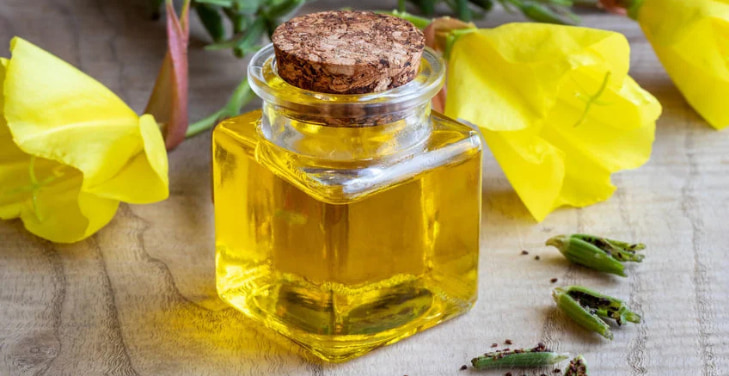
Primrose oil supports women's hormones, healthy skin, and overall wellness through essential fatty acids.
Why Primrose Oil Is Unique for Women's Health
Primrose oil holds a special place in women's health care due to its high content of bioactive essential fatty acids. The value of this oil stems from its ability to participate in many physiological processes related to endocrine, skin, and reproductive health, creating a nutritional foundation suitable for the needs of women at various stages of life.
Rich Source of Gamma-Linolenic Acid (GLA)
Primrose oil provides gamma-linolenic acid (GLA), an omega-6 fatty acid that plays a crucial role in the synthesis of biological regulators. GLA helps maintain cell membrane integrity, supports immune function, and promotes many metabolic reactions related to women's health. The high GLA content is also what sets Primrose Oil apart among dietary supplements.
Supports Female Hormonal Function
GLA participates in the formation of prostaglandins, a group of compounds that regulate many physiological functions in the body. This mechanism helps maintain hormonal balance, supports a stable menstrual cycle, and enhances the body's ability to adapt to hormonal changes throughout life. This characteristic makes Primrose Oil a popular choice in women's health care programs.
Supports Premenstrual Syndrome (PMS) Symptoms
Premenstrual syndrome (PMS) affects the physical and emotional well-being of many women in the days leading up to their period. Primrose oil is noteworthy for its gamma-linolenic acid (GLA) content, an ingredient involved in regulating biological responses related to the hormonal cycle and women's health.
Relieves Breast Tenderness
Breast pain and tenderness are common symptoms during the premenstrual phase. GLA contributes to regulating prostaglandin synthesis, thereby helping to reduce breast tissue sensitivity and provide a more comfortable feeling. Many studies have noted this benefit with regular use of Primrose oil over multiple menstrual cycles.
Supports Emotional Well-Being
Hormonal fluctuations affect mood, energy levels, and concentration. Primrose oil helps maintain physiological balance, supports emotional stability, and improves daily quality of life. Women often choose this product as part of their premenstrual health plan.
Helps Reduce Bloating and Menstrual Discomfort
GLA is involved in regulating physiological inflammatory responses and supporting fluid circulation in the body. This mechanism helps reduce bloating, mild edema, and discomfort before menstruation. Supplementing with Primrose Oil in combination with a balanced diet helps improve comfort throughout the menstrual cycle.
Helps Relieve Menopause Symptoms
Menopause brings about many hormonal and physiological changes, affecting both physical health and quality of life. Primrose oil is gaining attention for its GLA content, which supports biological regulatory processes related to hormones and inflammatory responses in the body.
May Reduce Hot Flashes and Night Sweats
Many studies have shown that Primrose oil helps improve hot flashes and night sweats in some menopausal women. GLA helps regulate biological mediators, thereby contributing to the stability of thermoregulation. The effects are often more noticeable with consistent supplementation over several weeks.
Supports Emotional Well-Being
Hormonal fluctuations affect mood, energy levels, and concentration during menopause. Primrose oil helps maintain physiological balance, supports emotional stability, and improves the quality of daily life. Combining supplements with a healthy lifestyle helps women adapt better to the natural changes in their bodies.
Promotes Healthy Skin
Skin directly reflects the nutritional status and overall health of the body. Primrose oil is a rich source of gamma-linolenic acid (GLA), helping nourish the skin from within, maintain the protective barrier, and support the natural regeneration of skin cells.
Improves Skin Hydration
GLA participates in lipid formation in the stratum corneum, helping maintain water retention and increase skin softness. As a result, the skin remains smooth and supple, reduces dryness, and becomes healthier over time. The effects are usually more noticeable when combined with a suitable skincare routine.
Strengthens the Skin Barrier
The skin barrier plays a crucial role in maintaining moisture and protecting the underlying tissues. Primrose oil helps strengthen the cell membrane structure, contributing to improved recovery and maintaining epidermal stability. This mechanism helps the skin maintain a healthy and radiant appearance under various environmental conditions.
Supports Skin Elasticity
The essential fatty acids in Primrose Oil help nourish skin cells and promote an environment conducive to tissue regeneration. The skin maintains its elasticity, and its surface becomes smoother and firmer over time. This nutritional value makes Primrose Oil a popular choice in comprehensive skincare strategies for women.
Supports Hormonal Balance
Hormonal balance influences many aspects of women's health, including menstrual cycles, skin, mood, and fertility. Primrose oil provides gamma-linolenic acid (GLA), an essential fatty acid involved in important biological processes, helping maintain a stable endocrine environment and supporting normal bodily functions.
Enhances Prostaglandin Production
GLA is metabolized into precursors involved in prostaglandin synthesis, a group of compounds that regulate many physiological reactions related to hormones. This process helps maintain a harmonious menstrual cycle, supports reproductive system function, and provides stability for endocrine function. This is also the most studied mechanism when evaluating the value of Primrose Oil.
Supports Hormonal Adaptation
Hormonal levels change throughout a woman's life, from puberty to perimenopause and menopause. Primrose oil helps the body adapt to these physiological fluctuations through the role of GLA in fatty acid metabolism and regulation of cellular signaling. As a result, the body maintains balance and overall health more effectively.
May Improve Breast Comfort
Breast tenderness and discomfort often occur cyclically with hormonal changes, especially before menstruation. Primrose oil is attracting attention from many experts for its gamma-linolenic acid (GLA) content, an active compound involved in regulating biological processes related to breast tissue and hormone balance.
Supports Cyclical Breast Comfort
GLA contributes to regulating prostaglandin synthesis, thereby supporting the maintenance of stable breast tissue throughout each phase of the menstrual cycle. This mechanism helps reduce tenderness, improve comfort, and enhance quality of life. Many women choose Primrose oil as a supplement in their regular health care.
Clinical Evidence
Numerous clinical studies have evaluated the role of Primrose oil in addressing cyclical mastalgia (breast pain). Some studies have reported improvements in pain levels and tightness after continuous use at appropriate dosages. Further scientific data is being collected to clarify the effectiveness and identify the groups of people who would benefit most from GLA supplementation.
Supports Joint Comfort and Mobility
Joint health plays a crucial role in maintaining mobility and quality of life for women of all ages. Primrose Oil provides gamma-linolenic acid (GLA), a component involved in many biological regulatory processes, which nourishes connective tissue and supports joint function over time.
Supports a Healthy Inflammatory Response
GLA participates in the synthesis of substances that regulate physiological inflammatory responses, thereby helping maintain a favorable environment for cartilage and the structures around the joints. This activity helps joints function more flexibly in daily activities. Many studies continue to evaluate the role of GLA in musculoskeletal health.
Promotes Flexibility and Mobility
The essential fatty acids in Primrose Oil help maintain the integrity of cell membranes and support connective tissue nourishment. As a result, the joints retain their flexibility, the range of motion becomes easier, and the body maintains its suppleness in daily activities. Regular supplementation combined with appropriate exercise helps improve the long-term effectiveness of joint health care.
May Support Emotional Well-Being
Mental health is influenced by many factors, among which hormonal balance and nutritional status play a crucial role. Primrose oil is studied for its gamma-linolenic acid (GLA) content, a component involved in biological processes related to nervous system activity and emotional regulation.
Supports Mood Stability
GLA contributes to the synthesis of biological regulators, thereby supporting the stability of the nervous system and emotional state. This mechanism helps many women maintain a positive mood during periods of hormonal fluctuations such as premenstrual syndrome or menopause. Quality of life is therefore improved over time.
Promotes Better Daily Well-Being
Primrose oil helps maintain a favorable metabolic environment for the activity of nerve cells and many other organs in the body. This source of essential fatty acids supports stable energy levels, increases feelings of well-being, and enhances adaptability to daily physiological changes. Combining supplementation with a balanced diet and quality sleep further enhances its overall effectiveness.
How to Take Primrose Oil Safely
Using Primrose Oil correctly helps the body absorb gamma-linolenic acid (GLA) more effectively and maximize its nutritional value. Appropriate dosage, timing of supplementation, and choosing a quality product form the foundation for safe and sustainable health care.
Follow the Recommended Dosage
The dosage of Primrose Oil depends on the supplementation goal, age, and the GLA content of each product. Many studies suggest using approximately 500–2,000 mg per day, divided into one or two doses. Following the manufacturer's or healthcare professional's instructions optimizes effectiveness and suits individual needs.
Take with Meals
Primrose Oil is absorbed better when taken with meals containing healthy fats. The habit of taking it at the same time each day helps maintain stable GLA levels in the body and facilitates metabolic processes. Consistency also contributes to enhanced long-term supplemental effectiveness.
Consider Safety Precautions
Individuals taking anticoagulants, those preparing for surgery, or pregnant women should develop a supplementation plan under the guidance of a healthcare professional. Choosing a product that meets quality standards, storing it properly, and monitoring the body's reaction will ensure safe and effective use of Primrose Oil.
Conclusion
Primrose oil provides a rich source of bioavailable gamma-linolenic acid (GLA), contributing to endocrine health, skin care, improved menstrual cycle comfort, and enhanced quality of life for many women. This nutritional value makes evening primrose oil a popular choice in long-term health care strategies.
The effectiveness of Primrose Oil is best achieved when combined with a balanced diet, regular exercise, and proper dosage. Choosing a quality product and guidance from a healthcare professional will create a solid foundation for health and physiological balance at all stages of life.
Frequently Asked Questions (FAQs)
- Can women take Primrose Oil every day? – Primrose Oil can be taken daily when used according to the manufacturer's instructions or a healthcare professional's recommendations. Consistent supplementation helps maintain stable gamma-linolenic acid (GLA) levels, supporting hormonal balance, skin health, and other physiological functions.
- How long does Primrose Oil take to work for women? – The time required to notice benefits depends on individual health status, supplementation goals, and dosage. Many studies have reported measurable effects after approximately 8–12 weeks of consistent use, particularly for skin health and premenstrual symptoms.
- Can Primrose Oil help with menopause symptoms? – Primrose Oil provides gamma-linolenic acid (GLA), which participates in several biological processes related to hormonal regulation. Some studies have reported potential benefits for hot flashes, night sweats, and overall quality of life during menopause.
- Can Primrose Oil be taken with other supplements? – Primrose Oil is commonly combined with omega-3 fatty acids, vitamin D, vitamin E, or collagen as part of women's wellness routines. A healthcare professional can help determine the most appropriate combination based on individual needs.
- Who should consult a healthcare professional before taking Primrose Oil? – Pregnant or breastfeeding women, individuals taking anticoagulant medications, and those receiving treatment for chronic health conditions should consult a healthcare professional before using Primrose Oil.
