
A surprising fact: the effects of marijuana can continue to linger in the brain and body long after each use. These changes accumulate gradually, infiltrating memory, emotions, sleep, and many vital biological functions.
Behind the immediate feeling of relaxation lies a complex chain reaction involving the nervous system, cardiovascular system, and mental health. Understanding the long-term risks of marijuana helps individuals make more informed decisions and protect their long-term health with a solid foundation of scientific knowledge.
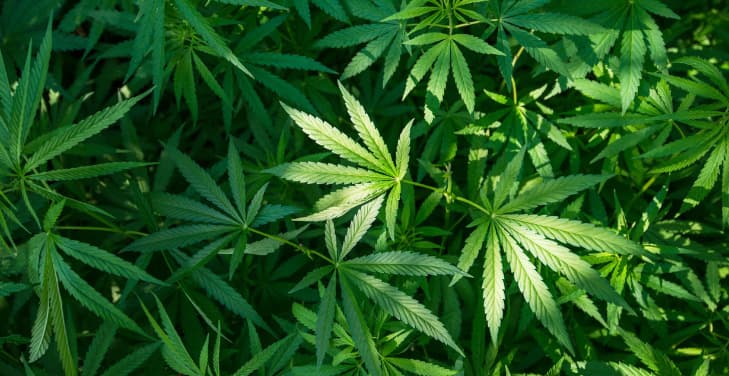
Long-term marijuana use may affect brain function, mental health, and wellness.
Understanding Long-Term Marijuana Use
Long-term marijuana use creates cumulative changes within the body and brain. These effects develop subtly over months or years, impacting physical and mental health and daily functioning.
What Qualifies as Long-Term Use?
Experts generally consider regular marijuana use over months or years as long-term use. High frequency and high doses increase the body's exposure to cannabinoid compounds, thereby promoting lasting biological changes.
Accumulation of Biological Effects
THC directly interacts with the endocannabinoid system, a network involved in regulating mood, memory, sleep, and reward. Continuous exposure causes these regulatory mechanisms to gradually adapt, leading to profound changes in neurological function and metabolism.
Why Long-Term Exposure Matters
The longer the use, the more widespread the effects of marijuana become, affecting multiple organs. The brain, cardiovascular system, respiratory system, and mental health all respond to the prolonged presence of active compounds, thereby shaping the user's overall health picture.
How Marijuana Affects the Brain Over Time
The brain reacts strongly to the prolonged presence of THC, the main active ingredient in marijuana. Over time, neural signals change their rhythm, creating far-reaching effects on cognitive abilities, information processing, and emotional regulation.
Changes in Memory and Learning
THC directly affects the hippocampus, a central region involved in the formation of new memories. Repeated stimulation reduces the efficiency of information storage, slowing down the learning process. Long-term users often struggle with complex knowledge or remembering important details.
Impact on Attention and Decision-Making
Marijuana affects the frontal lobe, the area that coordinates attention, planning, and behavioral control. Cumulative neurological changes impair information processing speed, prolong reaction times, and reduce the accuracy of daily decisions. The brain expends more resources to complete tasks that require high concentration and strategic thinking.
Increased Risk of Mental Health Disorders
Mental health is significantly affected by the regular presence of marijuana in the body. THC affects neurotransmitters involved in emotion, motivation, and cognition, thereby altering psychological state over time.
Anxiety and Emotional Instability
Marijuana increases fluctuations in the activity of neural circuits that control emotions. Many people experience tension, restlessness, or heightened sensitivity to everyday pressures. These fluctuations can be prolonged and affect quality of life.
Depression and Motivation Changes
Changes in the dopamine system directly impact feelings of excitement and motivation. Over time, regular users may experience decreased mental energy, reduced enthusiasm, and difficulty maintaining engagement in personal or social activities.
Psychosis Risk in Vulnerable Individuals
THC affects the brain's information processing and increases the risk of psychotic symptoms in individuals with biological susceptibility. Manifestations may include distorted perceptions, abnormal thinking, and a markedly altered perception of reality.
Cognitive Decline and Daily Functioning Challenges
Cognitive decline often develops gradually with prolonged marijuana use. These changes permeate many aspects of life, from work performance to the ability to organize and manage daily tasks.
Reduced Productivity and Mental Efficiency
The brain processes information more slowly as neural networks involved in focus and executive function become less efficient. Long-term users often take longer to complete tasks, maintain attention, and process requests requiring continuous thinking.
Difficulties With Planning and Organization
Marijuana affects executive functions located in the frontal lobe, the area responsible for planning and goal management. This change reduces the ability to organize work, allocate time, and pursue multi-step tasks.
Impact on Everyday Decision-Making
Everyday decisions require coordination between memory, judgment, and behavioral control. When these functions decline, the quality of choices decreases, impacting learning, work, and social relationships.
Respiratory Problems Associated With Smoking Marijuana
Marijuana smoke carries thousands of chemical compounds deep into the respiratory tract. Repeated exposure over a long period exerts constant pressure on the bronchial mucosa and lung tissue, thereby affecting respiratory function and gas-exchange capacity.
Chronic Airway Irritation
The high temperature and microscopic particles in the smoke irritate the airways. The respiratory mucosa reacts by increasing mucus secretion, causing chest tightness and promoting prolonged coughing. This process occurs continuously, increasing the burden on the respiratory system.
Changes in Lung Function
Lung tissues are affected by prolonged inflammation, leading to a decline in respiratory efficiency over time. Airflow becomes less efficient, reducing physical endurance and affecting activities that require regular exercise.
Cardiovascular Risks of Regular Marijuana Use
The cardiovascular system reacts quickly to the active ingredients in marijuana. When used regularly over a long period, repeated physiological effects can put additional strain on the heart and circulatory system, especially in individuals with underlying risk factors.
Effects on Heart Rate and Circulation
THC stimulates the sympathetic nervous system, causing an increase in heart rate for a period after use. This change causes the heart to work harder to meet the demands of blood circulation, affecting hemodynamic stability.
Blood Pressure Fluctuations
Marijuana affects vascular tone and blood pressure regulation mechanisms. Repeated fluctuations in blood pressure put additional strain on the vessel walls and contribute to changes in circulatory function over time.
Long-Term Cardiovascular Strain
Prolonged exposure to the cardiovascular effects of THC increases stress on the entire circulatory system. This process affects oxygen transport efficiency, exercise responsiveness, and overall cardiovascular health over many years.
Dependence and Cannabis Use Disorder
Prolonged marijuana use can alter the brain's reward system and promote dependence over time. As the brain adapts to the constant presence of THC, the need for use becomes increasingly strong and affects many aspects of life.
How Dependence Develops
THC stimulates dopamine release, creating a feeling of pleasure and reinforcing the habit of repeated use. Over time, the brain adjusts neural activity to adapt to this level of stimulation, thereby increasing the desire to use marijuana.
Signs of Cannabis Use Disorder
Individuals with use disorder need more time for searching, using, and recovering from marijuana use. Strong urges appear frequently and dominate daily decisions.
Long-Term Consequences of Addiction
Long-term dependence affects work, studies, social relationships, and quality of life. Mental resources gradually become focused on usage, causing the ability to pursue personal goals and maintain accountability to decline over time.
Effects on Sleep, Hormones, and Physical Health
Marijuana affects multiple biological systems simultaneously, from sleep cycles to endocrine activity and metabolic processes. With prolonged use, these changes gradually impact overall health and the ability to maintain physiological balance.
Changes in Sleep Architecture
THCs influence sleep stages and regulate the activity of the circadian rhythm control center. Over time, sleep patterns change, reducing the quality of physical and mental recovery after each night's rest.
Hormonal Regulation and Endocrine Function
The endocrine system is sensitive to cannabinoids. Changes in hormone activity affect energy regulation, fertility, mood, and many other important biological functions.
Impact on Overall Physical Health
Prolonged changes in sleep and endocrine function have ripple effects throughout the body. Energy levels, physical endurance, metabolic efficiency, and the ability to adapt to physiological stress are all affected over time.
Social, Academic, and Workplace Consequences
The effects of prolonged marijuana use extend far beyond the biological sphere. Changes in cognition, motivation, and executive function gradually spill over into the learning environment, work, and social relationships, creating cumulative consequences over time.
Impact on Academic Performance
The ability to concentrate, remember, and process information plays a crucial role in learning. When these functions decline, learning efficiency decreases, academic performance suffers, and achieving educational goals becomes more difficult.
Workplace Productivity Challenges
The work environment demands accuracy, proactivity, and time-management skills. Changes in cognition and motivation directly affect productivity, work quality, and the ability to meet professional demands.
Strain on Social Relationships
Relationships develop based on trust, communication, and responsibility. Prolonged marijuana use can alter social behavior, reduce levels of attachment to family, friends, and community, and consequently affect the quality of personal interactions.
Who Faces the Greatest Long-Term Risks?
The long-term effects of marijuana appear in all user groups; however, some individuals have a higher degree of biological sensitivity. Factors related to age, frequency of use, and individual health characteristics play a significant role in shaping the cumulative risk over time.
Adolescents and Young Adults
The brain continues to develop rapidly during adolescence and early adulthood. Frequent exposure to THC during this period affects neural networks involved in memory, learning, and behavioral control, thereby producing lasting changes.
Frequent and Heavy Users
Those who use marijuana frequently or in large doses are exposed to the cannabinoid for longer periods. Increased exposure leads to profound changes in the nervous and cardiovascular systems, as well as many other physiological functions.
Individuals with Mental Health Vulnerabilities
People who are psychologically sensitive or possess specific neurological characteristics often react more strongly to THC. This interaction can exacerbate emotional, cognitive, and behavioral manifestations over the long term.
Conclusion
Marijuana produces long-lasting effects on the brain, cardiovascular system, respiratory system, endocrine system, and mental health. These changes accumulate over time and directly affect quality of life, work performance, and the ability to maintain social relationships.
Full awareness of the long-term risks helps individuals make more informed choices for their future health. Clear scientific knowledge, healthy lifestyle habits, and proper attention to both physical and mental health contribute to protecting the body from the long-term consequences associated with marijuana use.
Frequently Asked Questions (FAQs)
- Can long-term marijuana use affect memory? – Long-term marijuana use can influence brain regions involved in memory and learning. Extended exposure to THC may affect how information is processed, stored, and recalled over time.
- Does marijuana increase the risk of mental health problems? – Marijuana affects neurotransmitter systems related to mood and behavior. Long-term use has been associated with a greater likelihood of anxiety, depression, mood disturbances, and psychotic symptoms in some individuals.
- Can marijuana lead to addiction? – Regular marijuana use can contribute to dependence as the brain adapts to repeated THC exposure. Some users develop cravings and increasing patterns of use over time.
- Who is most vulnerable to the long-term effects of marijuana? – Adolescents, young adults, frequent users, and individuals with mental health vulnerabilities may experience stronger long-term effects from marijuana use.
- Can long-term marijuana use affect daily life? – Long-term marijuana use may influence concentration, motivation, memory, and decision-making abilities, which can affect performance at school, work, and in social situations.
