
Shilajit has garnered significant attention in global health and fitness communities. Many men are seeking natural solutions to boost energy, endurance, and physiological performance. The trend of using traditional mineral supplements is spreading in the functional food market.
The rapid popularity of shilajit has also raised many questions about its biological effects on the male body. Users are concerned about potential hormonal, metabolic, and physiological changes that may occur with long-term use.
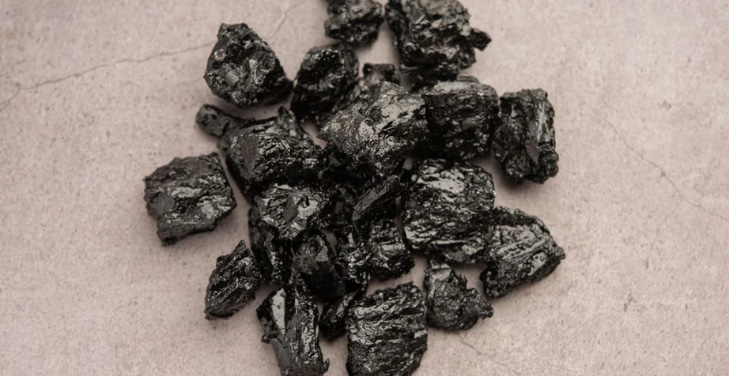
Understand the potential side effects men may experience when taking shilajit supplements.
What Is Shilajit and How Does It Work in the Body
Shilajit is formed over centuries from the decomposition of plant matter in high mountain ranges. This dark mineral resin is rich in valuable bioactive compounds. The body absorbs shilajit quickly due to its soluble mineral structure, thereby activating many biological processes related to energy, metabolism, and cellular health.
Fulvic Acid and Bioactive Compounds
Shilajit contains fulvic acid and many essential micronutrients. Fulvic acid transports minerals deep into cells, promoting nutrient absorption and supporting the activity of important enzymes in the body.
Cellular Energy Production
The compounds in shilajit stimulate mitochondrial activity, the energy-producing center of cells. This process promotes the conversion of nutrients into ATP, thereby enhancing physical endurance and biological performance.
Metabolic and Systemic Effects
The natural minerals in shilajit help regulate many metabolic pathways. This activity helps balance energy, maintain tissue function, and promote a stable physiological state throughout the body.
Why Side Effects Can Occur in Men
Shilajit contains a concentrated mineral structure along with many potent bioactive compounds. When men use it, the body reacts quickly to this concentrated source of minerals. Changes in metabolism, endocrine function, and micronutrient absorption can produce noticeable physiological responses.
High Mineral Concentration
Shilajit contains a rich array of minerals, including iron, zinc, and magnesium. High mineral content promotes enzyme activity, activates many metabolic processes, and creates biological stress on the digestive and circulatory systems.
Hormonal and Metabolic Sensitivity
The male body reacts strongly to compounds that stimulate metabolism. Increased endocrine activity alters sex hormone levels, triggering various physiological responses.
Product Quality and Dosage Factors
Product quality and dosage directly affect the body's response. Pure shilajit possesses a stable mineral structure, while high doses promote rapid mineral absorption and enhance the intensity of biological responses.
Hormonal Changes Linked to Shilajit Use
Shilajit strongly affects the male endocrine system due to its fulvic acid content and numerous bioactive minerals. These compounds stimulate endocrine gland activity, promote hormone signaling, and directly influence physiological processes related to energy, reproduction, and endurance.
Testosterone Activity and Regulation
Shilajit promotes the activity of glands involved in testosterone production. Increased levels of this hormone support muscle strength, vitality, and physical performance.
Reproductive Hormone Dynamics
The bioactive compounds in shilajit activate reproductive hormone signaling. Increased endocrine activity promotes hormone regulation and enhances male physiological function.
Hormonal Balance Sensitivity
The endocrine system responds quickly to the concentrated mineral source from shilajit. Hormonal changes occur dramatically in the male body, leading to noticeable physiological fluctuations as hormone levels fluctuate.
Digestive and Gastrointestinal Issues
The digestive system reacts very quickly to the concentrated mineral compounds in shilajit. Upon entering the stomach, the active ingredients stimulate enzyme activity and increase intestinal metabolic rate. This physiological change produces several noticeable digestive symptoms in some men.
Stomach Irritation and Discomfort
The concentrated minerals irritate the stomach lining and promote the secretion of digestive juices. This reaction causes heartburn, bloating, and epigastric discomfort after use.
Nausea and Digestive Sensitivity
The body reacts strongly to the fulvic acid and active trace minerals. The stomach increases contractions, leading to nausea and digestive sensitivity.
Changes in Bowel Movement
Increased digestive enzyme activity increases intestinal motility. This process promotes rapid elimination in the digestive tract, leading to loose stools or frequent bowel movements.
Increased Iron Levels and Health Concerns
Shilajit contains a high content of natural minerals, with iron playing a prominent role. When ingested by men, this iron strongly participates in biological processes related to oxygen transport and energy production. The accumulation of iron in the blood can cause several noticeable physiological changes.
Natural Iron Content in Shilajit
Shilajit resin has a structure rich in iron along with many accompanying trace minerals. Absorption in the small intestine occurs rapidly, thereby increasing the amount of circulating iron in the blood.
Iron Accumulation in the Body
Increased iron levels stimulate red blood cell production and promote oxygen transport. When accumulated over a long period, high iron concentrations affect the liver, heart, and energy-metabolizing tissues.
Symptoms Associated With High Iron Levels
High iron levels stimulate oxidative reactions in the body. This condition causes fatigue, joint pain, liver pressure, and changes in overall metabolic status.
Elevated Uric Acid and Gout Risk
Shilajit activates several purine metabolic pathways in the male body. When this process occurs vigorously, blood uric acid levels rise rapidly. The accumulation of urate crystals in the joints triggers an inflammatory response and causes severe joint pain.
Purine Metabolism Activation
The mineral compounds and fulvic acid in shilajit promote the activity of enzymes involved in purine metabolism. This process increases the production of uric acid in the bloodstream.
Uric Acid Accumulation in Joints
Uric acid crystallizes into microscopic urate crystals. These crystals deposit in joint tissue and stimulate a local inflammatory response.
Inflammatory Joint Response
Urate crystals activate the immune system and release inflammatory mediators. Joints become swollen, hot, and painful, especially in the big toe and weight-bearing joints.
Possible Allergic Reactions and Sensitivities
Some men's bodies react strongly to the bioactive compounds in shilajit. The immune system recognizes mineral molecules and organic compounds as irritants. This rapid immune response triggers a range of sensitization symptoms in the skin, respiratory tract, and immune system.
Skin Irritation and Itching
The active compounds stimulate immune cells in the skin. This reaction causes itching, burning, and the appearance of red patches or rashes.
Respiratory Sensitivity
The immune system reacts to the foreign molecules in shilajit and irritates the respiratory mucosa. The airways become sensitive, leading to breathing discomfort.
Immune System Reactivity
The body activates its natural defense mechanisms upon contact with the active compounds. Immune cells release mediators and promote a mild inflammatory response in the body.
Individual Sensitivity Factors
Allergic predisposition, immune status, and mineral metabolism determine the intensity of the reaction. These factors create significant differences in sensitivity levels among individuals.
Risks of Contaminated or Low-Quality Products
The quality of shilajit directly determines its safety for use. Natural mineral resins form in complex geological environments, making them prone to accumulating impurities. When products undergo poorly controlled processing, harmful elements enter the body and trigger many adverse biological reactions.
Heavy Metal Contamination
Raw shilajit may contain lead, mercury, or arsenic from the mineral bedrock. These metals accumulate in the blood and affect the nervous system, liver, and kidneys.
Microbial and Environmental Impurities
Poor sanitation during mining and storage introduces bacteria and fungi into the product. These microorganisms stimulate immune responses and put pressure on the digestive system.
Importance of Purification and Testing
The purification process removes impurities and stabilizes the biological mineral composition. Laboratory testing confirms purity and helps ensure long-term safety.
How Men Can Use Shilajit More Safely
Men can reap the benefits of shilajit by applying a scientific approach and controlling dosage appropriately. This mineral-rich resin strongly affects many physiological systems in the body. Choosing the right product and monitoring the body's reaction helps maintain safe use.
Appropriate Dosage Management
A reasonable dosage helps the body absorb minerals steadily. Maintaining a moderate level of use supports metabolic balance and reduces biological stress on organs.
Selecting Purified and Tested Products
Pure shilajit undergoes rigorous filtration and testing. Standardized products provide stable mineral content and ensure user safety.
Monitoring Physical Responses
Men should observe their bodies' reactions after each use. Changes in digestion, energy, and body state provide important signals to adjust usage accordingly.
Conclusion
Shilajit contains a concentrated source of minerals and bioactive compounds from ancient natural environments. Men seek shilajit to enhance energy, endurance, and sexual health. However, the concentrated mineral structure of this resin elicits numerous distinct physiological responses in the body.
Effective use of shilajit requires selecting a pure product, controlling dosage appropriately, and monitoring bodily reactions. A cautious approach helps maintain biological balance and supports long-term health.
Frequently Asked Questions (FAQs)
- Can shilajit cause side effects in men? – Shilajit can trigger physiological responses in men due to its high mineral and bioactive compound content. The body reacts through digestion, metabolism, and endocrine processes. The degree of reaction depends on dosage, individual constitution, and product quality.
- Does shilajit affect testosterone levels? – Shilajit stimulates endocrine activity and may support the regulation of male sex hormones. Fulvic acid and trace minerals participate in biological reactions related to testosterone production, which can influence energy, endurance, and physical performance.
- Can shilajit increase iron levels in the body? – Shilajit contains natural iron and trace minerals involved in blood formation. When absorbed, iron participates in oxygen transport and cellular processes. In some men, iron levels may increase depending on absorption and overall mineral balance.
- Why can some people experience digestive discomfort after taking shilajit? – The digestive system may respond to the concentrated minerals and active organic compounds in shilajit. Increased stomach secretions and intestinal activity can lead to mild digestive discomfort in some individuals.
- How can men reduce the risk of shilajit side effects? – Men can reduce potential side effects by choosing purified shilajit products, following recommended dosages, and observing their body's response. Laboratory-tested products help ensure a stable composition and safer long-term use.
