
A glass of raw milk, seemingly fresh and clean, can still carry pathogenic microorganisms invisible to the naked eye. This is a major concern in food safety and public health, especially as more people seek minimally processed foods.
Understanding the risks of raw milk helps individuals proactively protect their health. Knowledge of pathogenic bacteria, symptoms, high-risk groups, and preventative measures will support the selection of safe foods based on scientific evidence.
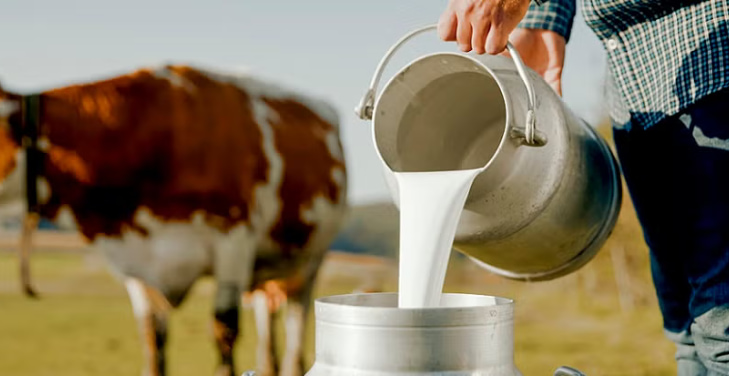
Raw milk may contain harmful bacteria despite appearing fresh, clean, and nutritious to consumers.
What Makes Raw Milk Potentially Dangerous?
Raw milk retains its natural state after harvesting and contains all the components inherent in fresh milk. However, the production environment and post-milking processing can create conditions for microbial contamination, thereby increasing the risk of foodborne illness.
Why Pasteurization Matters
Pasteurization uses controlled temperatures to significantly reduce the number of pathogenic bacteria in milk. This process contributes to improved food safety, extended shelf life, and support for public health protection.
Common Sources of Contamination
Microorganisms can originate from the udders of livestock, feces, soil, water sources, milking equipment, or transportation and storage processes. Each link in the production chain directly affects the microbiological quality and safety of raw milk.
Harmful Bacteria Found in Raw Milk
Raw milk can contain many types of pathogenic bacteria originating from livestock or the production environment. These agents directly affect the digestive system and many other organs when they enter the body through contaminated food.
Salmonella and E. coli
Salmonella and Escherichia coli (E. coli) are often associated with food poisoning outbreaks. These two bacteria can cause abdominal pain, diarrhea, fever, and many serious complications when the number of bacteria in food increases.
Listeria and Campylobacter
Listeria monocytogenes and Campylobacter also appear in some contaminated raw milk samples. These agents can cause systemic infections, affect the nervous system, or create complications during pregnancy. Farm-to-table hygiene control plays a crucial role in reducing the risk of exposure.
Common Symptoms of Raw Milk Food Poisoning
Raw milk food poisoning usually occurs after the body comes into contact with pathogenic bacteria. Symptoms vary depending on the type of causative agent, the amount of bacteria involved, and the individual's immune system, with the digestive system being affected first.
Digestive Symptoms
Abdominal pain, diarrhea, nausea, and vomiting are common symptoms. Some people also experience frequent diarrhea throughout the day, reducing the body's water and electrolyte levels, thus affecting overall health.
Fever and Dehydration
Fever, chills, fatigue, thirst, dry mouth, and dizziness often appear as the infection progresses. These symptoms can start a few hours to a few days after consuming contaminated raw milk, depending on the causative agent.
Can Raw Milk Cause Serious Health Complications?
Infections from raw milk can range from digestive disorders to multi-organ complications. The severity depends on the type of bacteria, the amount of pathogen, and the individual's immune response.
Kidney and Bloodstream Complications
Some strains of Escherichia coli can cause hemolytic uremic syndrome, damaging the kidneys and affecting their filtering function. The bacteria can also enter the bloodstream, causing sepsis and a systemic inflammatory response requiring aggressive treatment.
Neurological and Pregnancy Risks
Listeria monocytogenes can cause meningitis or encephalitis in some cases. During pregnancy, this bacterium also increases the risk of fetal infection, premature birth, or obstetric complications, so choosing safe food is especially important.
Who Faces the Highest Risk?
Some population groups are more likely to experience serious complications after consuming raw milk contaminated with bacteria. Immune system characteristics, developmental stage, and physiological state determine the level of susceptibility to foodborne illnesses.
Infants and Pregnant Women
Infants, young children, and pregnant women should prioritize dairy products that meet food safety standards. Bacteria from raw milk can cause severe infections, affecting child development and pregnancy health.
Older Adults
Older adults often experience age-related immune responses. Foodborne infections in this group are more likely to progress to dehydration, sepsis, or complications requiring intensive medical care.
People With Weakened Immune Systems
Individuals undergoing cancer treatment, organ transplants, using immunosuppressant drugs, or with immunodeficiency diseases are at higher risk of widespread infection. Choosing safe food plays a crucial role in protecting long-term health.
Does Raw Milk Offer Benefits That Outweigh the Risks?
Raw milk is often mentioned in many nutritional discussions due to its natural properties and inherent biological composition. Evaluating its value requires scientific evidence and food safety data to make informed decisions.
Popular Health Claims
Many people believe that raw milk aids digestion, maintains the gut microbiome, and provides natural enzymes and nutrients in their original state. These views have generated widespread interest in this food.
Scientific Evidence
Current studies confirm that raw milk provides many essential nutrients, while also noting the risk of contamination from foodborne pathogens. Health organizations develop recommendations based on a synthesis of data on nutritional benefits and food safety risks to protect public health.
How to Reduce the Risk of Foodborne Illness
Prevention is always highly effective in reducing the risk of foodborne illness. Choosing safe products, maintaining proper hygiene, and storing food properly contribute to protecting the health of the whole family.
Choose Pasteurized Dairy Products
Pasteurized milk and dairy products meet food safety standards and significantly reduce the risk of exposure to pathogenic bacteria. Choosing a reputable supplier also contributes to improving the quality of daily food.
Safe Handling Practices
Washing hands thoroughly before preparing food, sanitizing utensils, and avoiding cross-contact between raw and ready-to-eat foods helps limit the spread of microorganisms. Clean processing procedures play a crucial role in protecting health.
Proper Refrigeration and Storage
Storing milk at around 4°C or lower, maintaining a continuous cold chain, and using it within the recommended timeframe helps limit bacterial growth while maintaining product quality and safety.
What to Do After Drinking Contaminated Raw Milk
After consuming raw milk suspected of being contaminated, monitoring your health and taking prompt action can reduce the risk of complications. Recognizing warning signs, proper care, and timely access to medical services are crucial for recovery.
Early Warning Signs
Abdominal pain, diarrhea, nausea, vomiting, fever, excessive thirst, or persistent fatigue are signs that require attention. Recording the onset and progression of symptoms aids in medical evaluation.
Home Care and Medical Evaluation
Replenishing fluids, using electrolyte replacement solutions, and resting help maintain fluid balance. Prolonged symptoms, high fever, frequent diarrhea, bloody stools, or significant signs of dehydration require prompt medical evaluation for appropriate treatment.
Common Myths About Raw Milk Safety
Many common misconceptions about raw milk are widely circulated on social media and in everyday life. Comparing these beliefs with scientific evidence helps to accurately assess the safety of the product and supports appropriate food choices.
"Clean Farms Eliminate All Risk"
Farms maintaining high hygiene standards contribute to improved milk quality and reduced risk of contamination. Microorganisms can still be present from livestock, the environment, or during harvesting and storage, so hygiene control is only one part of the food safety chain.
"Healthy Cows Produce Germ-Free Milk"
Healthy livestock lays the foundation for quality milk; however, bacteria can still be present in the farming environment, milking equipment, or transportation. Food safety assessments are always based on the entire production process and available scientific evidence.
Conclusion
Raw milk offers natural nutritional value, but it also carries the risk of bacterial contamination that can affect many organs in the body. Understanding the source of these risks and identifying vulnerable groups helps improve health protection.
Choosing safe milk products, maintaining proper storage habits, and staying updated on information from reliable medical sources will help individuals make more appropriate, scientific, and safe nutritional decisions in their daily lives.
Frequently Asked Questions (FAQs)
- Can you get sick after drinking only a small amount of raw milk? – Yes. Even a small amount of raw milk can cause illness if it contains enough harmful bacteria. The severity of illness depends on the type of microorganism, the level of contamination, and the individual's age, immune function, and overall health.
- How long after drinking raw milk can food poisoning begin? – Symptoms may develop within a few hours to several days after consuming contaminated raw milk, depending on the specific pathogen involved. The incubation period varies according to the type of bacteria, the amount ingested, and individual factors.
- Can raw milk food poisoning require hospitalization? – Yes. Severe foodborne illness from contaminated raw milk can lead to dehydration, bloodstream infections, kidney injury, or neurological complications that require hospitalization. Young children, older adults, pregnant women, and people with weakened immune systems are at greater risk of serious illness.
- Can raw milk spread bacteria to other foods? – Yes. Raw milk can transfer bacteria to foods, kitchen utensils, cutting boards, and other surfaces through cross-contamination. Washing hands, cleaning food preparation areas, and keeping raw milk separate from ready-to-eat foods can help reduce this risk.
- What warning signs need immediate medical attention? – Seek immediate medical care if symptoms include a high fever, frequent diarrhea, bloody stools, persistent vomiting, severe dehydration, confusion, or intense abdominal pain. Prompt evaluation can help identify the cause and guide appropriate treatment.
