
Alfalfa provides a natural source of nutrients, enriching the diet and attracting health-conscious individuals. These green sprouts, rich in vitamins, minerals, and plant compounds, offer many options for daily nutritional supplementation.
Knowing the right amount of alfalfa helps users maximize its nutritional value, choose the right form, and proactively protect their health. Proper portion sizes, product quality, and safety precautions are crucial to supplementation.
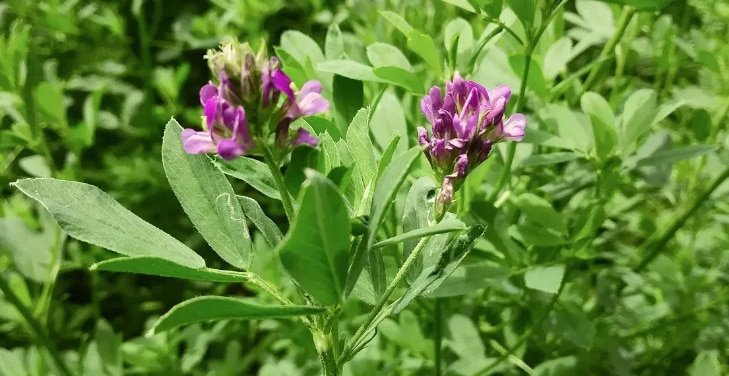
Alfalfa provides vitamins, minerals, and plant compounds, while appropriate daily intake depends on its form and concentration.
What Is Alfalfa?
Alfalfa (Medicago sativa) is a highly nutritious legume widely used in food, animal feed, and herbal preparations. Its leaves, sprouts, and young stems provide numerous nutrients and bioactive plant compounds. Alfalfa's nutritional composition depends on the part used, growing conditions, and processing methods.
Nutritional Composition
Alfalfa contains vitamin K, vitamin C, folate, minerals, and fiber, with amounts varying by food form. Alfalfa sprouts also provide plant protein and antioxidants, adding dietary variety.
Common Forms of Alfalfa
You can get alfalfa as fresh sprouts, dried leaves, powder, capsules, or liquid extracts. Each form has its own concentration level and recommended serving size.
Active Plant Compounds
Alfalfa contains saponins, flavonoids, and phytoestrogens, compounds researchers are studying for their biological activity and health effects.
Is There a Recommended Daily Amount of Alfalfa?
The appropriate daily amount of alfalfa depends on the form used, the purpose of supplementation, and the health condition. Currently, clinical studies have not established a standard daily intake for all alfalfa forms. Adults should refer to typical serving sizes and manufacturer guidelines when choosing a supplement.
Daily Amount for Food
Adults can consume fresh alfalfa sprouts in amounts of approximately 20–50 g per day as part of a meal, depending on nutritional needs and tolerance. Users should choose sprouts that have been safely processed to reduce contamination risk.
Daily Amount for Supplements
For alfalfa leaf powder, a starting dose of 1–2 g per day may be recommended when the product label allows. Capsules and extracts should follow the dosage on the label, as active ingredient content varies significantly between products.
Individual Safety Considerations
People taking warfarin, those with autoimmune diseases, and pregnant or breastfeeding women should consult a healthcare professional before using alfalfa supplements.
How Much Alfalfa Can You Eat Per Day?
Adults can incorporate fresh alfalfa sprouts into their daily meals, with portions appropriate to their nutritional needs and digestive capacity. Alfalfa sprouts provide vitamins, minerals, and plant compounds that support a varied diet. When planning intake, consider food safety and total daily vegetable intake.
Recommended Serving of Fresh Alfalfa Sprouts
A recommended serving of about 20–50 g of fresh alfalfa sprouts per day may suit healthy adults. This is a suggested amount, not a dosage established through clinical trials. Refrigerate sprouts and source them from a reliable supplier.
Ways to Include Alfalfa in Meals
Add alfalfa sprouts to sandwiches, salads, or wraps for crunch and plant-based nutrients. Users should wash their hands, sanitize utensils, and prioritize thoroughly cooked sprouts, especially if they belong to a high-risk group for bacterial contamination.
Factors Affecting Daily Intake
Alfalfa needs vary depending on diet, tolerance, and health status. Warfarin users should keep vitamin K levels stable and discuss regular alfalfa supplementation with their doctor.
How Much Alfalfa Powder or Supplements Per Day?
The dosage of alfalfa powder, capsules, or extract depends on the ingredient content, concentration level, and intended use. No studies have established a standard dose for all products. Adults should check the ingredient label, start with a low serving within the recommended range, and monitor their body's response.
Alfalfa Powder Dosage
For pure alfalfa leaf powder, adults can follow the recommended daily dose of 1–2 g listed on the product. This is a practice guideline and not a therapeutic dose confirmed by clinical trials. Users should mix the powder with water or combine it with smoothies.
Capsules and Tablets
Capsules and tablets may contain approximately 400–1,000 mg each, depending on the manufacturer. Users should refer to the label for the actual content and recommended dose to determine their daily intake.
Supplement Safety
Users should check the combined ingredients and avoid combining multiple products containing alfalfa. Those taking warfarin, people with autoimmune diseases, and pregnant women should consult their doctor before taking supplements.
Alfalfa Tea and Dried Leaf Preparations
Alfalfa tea and dried alfalfa leaves are popular herbal options for those who want to add plant-based ingredients to their daily routine. Nutrient content per serving depends on leaf quality, dryness, water temperature, and brewing time. Choose products from reputable sources and follow the instructions on the packaging.
Preparing Alfalfa Tea
Adults can use approximately 1–2 g of dried alfalfa leaves for 200–250 ml of hot water to make a reference cup of tea. Steep the tea for 5–10 minutes, then strain before drinking. This dosage is for reference only, as research has not established a standard brewing procedure and consumption level.
Daily Intake of Dried Leaves
Base the daily amount of dried leaves on the manufacturer's instructions and individual health conditions. Users should start with one cup of tea per day to monitor their tolerance.
Safety Considerations
People taking warfarin should maintain stable vitamin K levels and consult their doctor before drinking alfalfa tea regularly. Pregnant women, breastfeeding mothers, and people with autoimmune diseases should consult a healthcare professional before using this herbal preparation.
Factors That Affect Daily Alfalfa Intake
The appropriate daily alfalfa intake depends on age, nutritional needs, product form, and health condition. Fresh sprouts, leaf powder, herbal tea, and capsules provide different nutrient amounts, so users should choose portion sizes based on their use and overall diet.
Age and Nutritional Needs
Healthy adults can include alfalfa sprouts in a greens-based diet. Children need age-appropriate nutrition, while older adults should consider their digestive capacity and medications before taking concentrated supplements.
Diet and Supplement Use
Diets rich in greens, along with supplements, can increase total daily intake of vitamin K and plant compounds. Users should check ingredient labels, serving sizes, and amounts from multiple sources.
Health Conditions and Medications
Warfarin, autoimmune diseases, and pregnancy require caution when using alfalfa supplements. People taking warfarin need to maintain stable vitamin K levels; those with autoimmune diseases should consult their doctor because alfalfa may affect immune function.
Potential Benefits of Alfalfa at Appropriate Intake Levels
Alfalfa provides vitamins, minerals, fiber, and many valuable plant compounds. When consumed in appropriate portions, this legume supports dietary diversity and supplements essential nutrients for daily physiological functions. The level of benefit depends on the form of use, product composition, and individual health status.
Vitamins and Minerals
Alfalfa sprouts provide vitamin K, vitamin C, folate, and several minerals. These nutrients support blood clotting, immune function, and normal metabolic activity.
Antioxidant Plant Compounds
Alfalfa contains flavonoids and plant compounds with antioxidant activity. Researchers are studying these components for their role in protecting cells from free radicals.
Cholesterol and Metabolic Health
Some preliminary, primarily preclinical, studies suggest that saponins in alfalfa may influence cholesterol absorption. Evidence in humans is currently limited, so alfalfa is more suited as a dietary supplement in a balanced diet than as a treatment for metabolic disorders.
Side Effects of Excessive Alfalfa Intake
Consuming alfalfa in large quantities, especially through leaf powder, capsules, or concentrated extracts, can cause adverse reactions depending on individual sensitivities and health conditions. Risk also depends on vitamin K content, plant compounds, and product quality.
Digestive Discomfort and Allergic Reactions
Some people may experience bloating, abdominal discomfort, nausea, or diarrhea when taking high doses of alfalfa. Allergic reactions may also occur, manifesting as itching, hives, or lip swelling.
Vitamin K and Warfarin Interactions
Alfalfa contains vitamin K, a nutrient involved in blood clotting. Significantly varying vitamin K levels in the diet can alter warfarin's effects, affecting its ability to control blood clotting.
Immune-Related Risks
Alfalfa contains L-canavanine, a compound that may affect immune function. Prolonged or large-scale use, especially of seeds and concentrated preparations, may increase the risk of complications in people with lupus or autoimmune diseases.
Who Should Limit or Avoid Alfalfa Supplements?
Alfalfa supplements contain vitamin K and other bioactive plant compounds, so certain groups of people should carefully assess the benefits and risks before using them. Health conditions, medications, and product concentration determine the safety of regular alfalfa supplementation.
People Taking Warfarin
People taking warfarin need to maintain a stable daily vitamin K intake because alfalfa may affect its anticoagulant effects. Talk to your doctor before using alfalfa powder, capsules, or extracts.
Individuals With Autoimmune Conditions
Individuals with lupus and other autoimmune diseases should avoid self-medicating with alfalfa supplements. The compound L-canavanine in the plant has been linked to a risk of triggering adverse immune responses, especially in sensitive individuals.
Pregnancy, Breastfeeding, and Food Safety
Pregnant or breastfeeding women should consult their doctor before using alfalfa concentrate due to limited safety data. Young children, immunocompromised older adults, and pregnant women should be especially cautious with raw alfalfa sprouts due to the risk of Salmonella or E. coli infection.
Conclusion
Alfalfa provides vitamins, minerals, fiber, and valuable plant compounds. The appropriate amount depends on the food form, product composition, and individual needs.
Adults can add alfalfa sprouts to their diet in reasonable portions, following instructions for powder or capsules. Those taking warfarin, individuals with autoimmune diseases, and pregnant women should consult their doctor to choose a safe and appropriate supplementation method for long-term health.
Frequently Asked Questions (FAQs)
- What Are the Main Health Benefits of Alfalfa? – Alfalfa provides vitamins, minerals, fiber, and antioxidant compounds, including flavonoids. These nutrients contribute to overall health. Research into alfalfa's effects on cholesterol and metabolism remains limited and requires more clinical evidence.
- What Nutrients Does Alfalfa Contain? – Alfalfa contains vitamin K, vitamin C, folate, calcium, potassium, plant protein, and various bioactive compounds. Nutrient content varies by plant part, maturity, and processing method, particularly among fresh sprouts, dried leaves, and fortified powders.
- Can You Eat Alfalfa Sprouts Every Day? – Alfalfa sprouts can be included in a regular diet in appropriate portions. However, raw sprouts carry a risk of bacterial contamination. Thorough cooking reduces this risk and is especially important for people with weakened immune systems.
- What Are the Side Effects of Alfalfa? – Alfalfa may cause bloating, digestive discomfort, or adverse reactions in sensitive individuals. Alfalfa seeds and concentrated products also contain L-canavanine, a compound of particular concern for people with lupus or certain autoimmune diseases.
- Who Should Avoid Alfalfa Supplements? – People taking warfarin, those with autoimmune diseases, and pregnant or breastfeeding women should consult a healthcare professional before using alfalfa supplements. Vitamin K and other bioactive compounds may affect medication management and individual health needs.
