
Lymphatic drainage massage can provide deep relaxation, but it still carries risks in certain medical situations. In particular, therapists should evaluate blood clots, infections, and cardiovascular disease before treatment.
Lymphatic drainage massage uses gentle movements to support lymphatic fluid movement and control edema. The therapist needs to understand lymphatic anatomy, assess tissue condition, and adjust massage pressure accordingly.
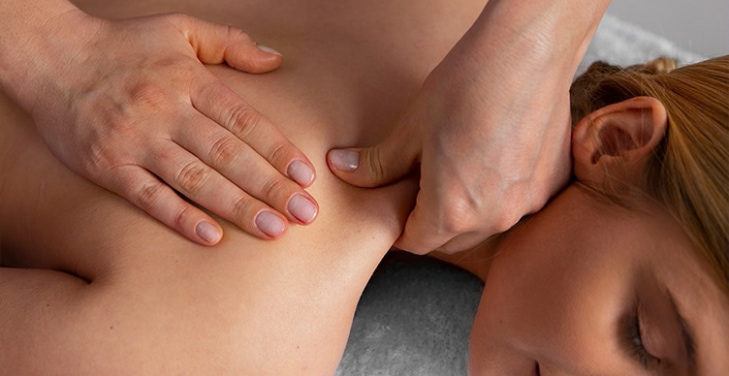
Lymphatic drainage massage may cause complications when performed incorrectly or used with certain medical conditions.
What Is Lymphatic Drainage Massage?
Lymphatic drainage massage is a gentle therapeutic technique that supports lymphatic fluid flow through the lymphatic system and lymph nodes. Clinicians often use this method to manage edema and support recovery in appropriate clinical situations.
Gentle Manual Techniques
The therapist uses stroking, stretching, and gentle pressure along the lymphatic system's anatomical direction. The slow, even massage rhythm promotes the movement of tissue fluid to appropriate drainage areas. Adequate pressure is crucial because lymphatic vessels lie just beneath the skin.
Therapeutic Purpose
Manual lymphatic drainage aims to reduce fluid retention, support swelling control, and ease feelings of heaviness or tightness in the tissue. This method is often included in lymphedema care programs, recovery after certain procedures, and conditions requiring tissue fluid management.
Professional Assessment
A safe treatment session should be based on an assessment of the patient's health, the cause of the swelling, and the tissue condition at the time of treatment. A professionally trained technician can select the appropriate retention instructions, intensity, and massage range for each case.
Common Side Effects After Lymphatic Drainage Massage
Lymphatic drainage massage typically produces mild, short-term reactions as the body adapts to the mechanical stress on the skin, soft tissues, and fluid flow. The severity of these reactions depends on the individual's health condition, the treatment area, and the technique used.
Temporary Fatigue and Soreness
Some people experience mild fatigue, deep relaxation, or transient tightness in the massaged area. Soft tissues may react with mild sensitivity or pain for a short period.
Skin Sensitivity
Skin sensitivity may increase after mild and repeated stimulation. The treated area may feel warm, slightly itchy, or noticeably softer for the first few hours.
Changes in Swelling
Tissue fluid levels may change as drainage progresses, making the swelling feel lighter and softer. Some people notice a slight increase in urination or other bodily changes after the treatment.
Individual Responses
Age, circulatory status, edema severity, underlying conditions, and massage intensity directly affect the post-treatment response. Each person's body responds differently, so the therapist must adjust the technique accordingly.
Risks of Improper Lymphatic Drainage Techniques
Lymphatic drainage massage requires precise technique, appropriate pressure, and an understanding of lymphatic anatomy. Incorrect direction or excessive force can cause adverse soft-tissue reactions.
Excessive Pressure
Strong pressure can cause pain, skin irritation, bruising, and increased discomfort in the treated area. Lymphatic vessels are relatively superficial, so the technician needs to maintain light pressure, a slow rhythm, and stable control.
Incorrect Massage Direction
The massage direction must align with the lymphatic drainage pathway and the location of the relevant lymph nodes. Incorrect direction can alter tissue fluid distribution, cause tightness, or prolong swelling.
Practitioner Training
Professional skills enable technicians to identify anatomical structures, assess tissue, and adjust techniques accordingly. Practitioners need a thorough understanding of the patient's medical history, surgical site, and risk factors before each treatment session.
Self-Massage Risks
Self-massage requires proper guidance from a professional, especially when the user is managing lymphedema or recovering from surgery. Correct placement, pressure, and sequence help reduce the risk of tissue irritation.
Infection and Inflammation Concerns
Infection and inflammation are important factors when assessing the safety of lymphatic drainage massage. A physician should evaluate areas of tissue damage before applying any mechanical manipulation techniques.
Active Infections
Skin, soft tissue, or systemic infections can cause swelling, heat, redness, pain, and fever. Massage in an infected area can irritate inflamed tissue and increase discomfort. Individuals with signs of fever or infection should be medically evaluated before treatment.
Inflamed or Irritated Tissue
Inflamed tissue is often sensitive, tense, and easily painful to external stimuli. Adjust massage techniques based on the tissue condition, degree of swelling, and cause of inflammation.
Skin Conditions
Open wounds, skin ulcers, widespread rashes, or active skin lesions require a physician's evaluation. Professional evaluation helps determine the appropriate timing and safe areas for treatment.
Blood Clots and Cardiovascular Risks
Use lymphatic drainage massage with caution in individuals at risk of blood clots or cardiovascular disease. A pre-treatment medical assessment helps determine safety based on circulation, fluid status, and underlying conditions.
Deep Vein Thrombosis
Deep vein thrombosis, particularly in the legs, can cause unilateral swelling, pain, warmth, and skin discoloration. Massaging the suspected thrombosis area can move the clot through the bloodstream. People with these symptoms need immediate medical attention.
Cardiovascular Conditions
Heart failure and certain cardiovascular conditions affect the body's ability to regulate fluid levels. Massage should be appropriate for the current cardiovascular condition and follow a doctor's instructions.
Emergency Warning Signs
Sudden shortness of breath, chest pain, irregular heartbeat, dizziness, or fainting require emergency medical attention. These symptoms may indicate a serious cardiopulmonary event and require immediate medical evaluation.
Lymphatic Drainage Massage After Surgery
Lymphatic drainage massage can help control swelling during certain stages of post-surgical recovery. The timing depends on the type of surgery, the site of the intervention, the condition of the incision, and the individual's healing process.
Surgical Healing
After surgery, tissue in the surgical area undergoes natural inflammation and restructuring. Skin, soft tissue, and lymphatic drainage pathways need time to heal. A doctor will assess the incision, swelling, and tissue condition before allowing massage.
Medical Clearance
Individuals who have recently undergone surgery should discuss lymphatic drainage with their treating physician. Cosmetic surgery, cancer, vascular, or lymphatic system-related procedures require a personalized care plan.
Gentle Technique
The technician uses light pressure, a slow rhythm, and a range appropriate to the healing area. Too much pressure can cause pain, irritate tissue, or hinder healing.
Medical Conditions That Require Extra Caution
Lymphatic drainage massage must be individualized when a patient has a condition affecting circulation, fluid balance, or immune function. Clinical assessment helps determine the appropriate timing, treatment areas, and massage intensity.
Heart Failure and Cardiovascular Disease
Significant heart failure and cardiovascular disease can affect the body's ability to process circulating fluid. A physician needs to assess heart condition, edema level, and tolerance before treatment.
Kidney Problems
Kidney disease directly affects water and electrolyte regulation. Individuals with impaired kidney function need to have their fluid status and kidney function assessed before receiving massage.
Cancer Treatment
Patients undergoing cancer treatment require a care plan tailored to their type of cancer, location of the lesion, treatment method, and lymph node status. The treating physician may collaborate with the therapist to determine safe techniques.
Other Medical Conditions
Conditions causing edema, tissue inflammation, circulatory disorders, or immunosuppression also require professional evaluation. A complete medical history helps specialists choose the appropriate care approach.
Who Should Avoid Lymphatic Drainage Massage?
Several health conditions require prior medical evaluation before lymphatic drainage massage. Identifying the cause of swelling, circulatory status, and fluid regulation capabilities helps reduce the risk of complications during treatment.
Suspected Blood Clots
Individuals with signs suggestive of deep vein thrombosis should seek immediate medical attention. Swelling in one leg, pain, warmth, redness, or unusual tightness in the limb may indicate thrombosis.
Active Infection or Fever
A doctor should evaluate fever, skin infections, cellulitis, and acute inflammation before massage. Manifestations such as warmth, redness, pain, and progressive swelling provide important clues for evaluation.
Unexplained or Rapidly Worsening Swelling
Sudden or rapidly worsening swelling requires identification of the cause before treatment. Heart disease, kidney disease, venous disorders, and lymphatic system problems can all be associated with edema.
Warning Signs After Lymphatic Drainage Massage
After lymphatic drainage massage, some mild changes may occur in the short term. Note unusual, persistent, or rapidly progressing symptoms, as they may reflect a health problem that requires professional evaluation.
Increasing Pain or Swelling
See a doctor for increasing pain, rapid swelling, intense tightness, or noticeable changes in the treated area. Swelling in one limb accompanied by warmth, redness, or deep pain should also be evaluated for the risk of thrombosis.
Fever and Infection Signs
Fever, chills, hot and red skin, increased pain, or unusual discharge at the treated area may suggest infection. Individuals experiencing these symptoms should contact a medical facility for evaluation.
Breathing or Chest Symptoms
Sudden shortness of breath, chest pain, dizziness, or fainting require immediate emergency medical attention. These symptoms may indicate a serious cardiopulmonary event and require urgent medical intervention.
How to Reduce the Risks of Lymphatic Drainage Massage
Lymphatic drainage massage is safer when the practitioner assesses the patient's health, selects appropriate techniques, and monitors the body's reaction. Thorough preparation before treatment helps control risk factors and supports recovery.
Choose a Trained Practitioner
Choose a practitioner who is professionally trained in manual lymphatic drainage and understands lymphatic anatomy. The practitioner should use gentle pressure, a steady rhythm, and adjust the massage direction according to each individual's condition.
Discuss Medical History
Provide complete information about heart disease, kidney disease, recent surgery, infections, medications being used, and circulatory issues. This data helps the practitioner determine the appropriate treatment scope.
Follow Aftercare Instructions
Drink plenty of fluids as directed, get adequate rest, and monitor the treated area after the massage. Seek prompt medical evaluation for increased pain, worsening swelling, fever, shortness of breath, or chest pain.
Conclusion
When applied correctly, lymphatic drainage massage can help control edema and promote lymphatic drainage. Its effectiveness and safety depend on the technique, the patient's health condition, and the timing of treatment.
The practitioner must be professionally trained, and they should conduct a thorough assessment of underlying conditions, recent surgery, and signs of infection or thrombosis before each massage session. Careful monitoring helps identify any abnormalities early and protects the patient's health.
Frequently Asked Questions (FAQs)
- Can Lymphatic Drainage Massage Cause Side Effects? – Lymphatic drainage massage may cause mild fatigue, skin sensitivity, pain, or temporary tightness. The degree of reaction depends on tissue condition, massage intensity, overall health, and the therapist's technique.
- Who Should Avoid Lymphatic Drainage Massage? – Individuals with signs of thrombosis, acute infection, fever, uncontrolled heart failure, or unexplained swelling should be evaluated by a doctor before receiving lymphatic drainage massage. Specific health conditions determine when and whether the massage is appropriate.
- Is Lymphatic Drainage Massage Safe After Surgery? – Lymphatic drainage massage may help manage edema after some surgeries when healing is progressing appropriately. A doctor should assess the surgical site, tissue condition, and timing before massage is performed.
- Can Lymphatic Drainage Massage Cause Blood Clots? – Lymphatic drainage massage should be avoided in areas suspected of deep vein thrombosis. Swelling in one leg, pain, warmth, or redness requires medical evaluation, while sudden shortness of breath or chest pain requires immediate emergency care.
- How Can You Reduce the Risks of Lymphatic Drainage Massage? – Choose a professional trained in manual lymphatic drainage and provide a complete medical history. Assessment of heart disease, kidney disease, recent surgery, and infection status can help establish an appropriate treatment plan.
