
Fucoxanthin, a carotenoid pigment found in brown seaweed, is attracting attention for its association with energy metabolism and metabolic health. Concentrated supplement forms offer significant amounts of the active ingredient but also raise questions about tolerability and safety.
Potential effects on digestion, blood glucose, blood pressure, and drug interactions create a health picture that requires careful consideration.
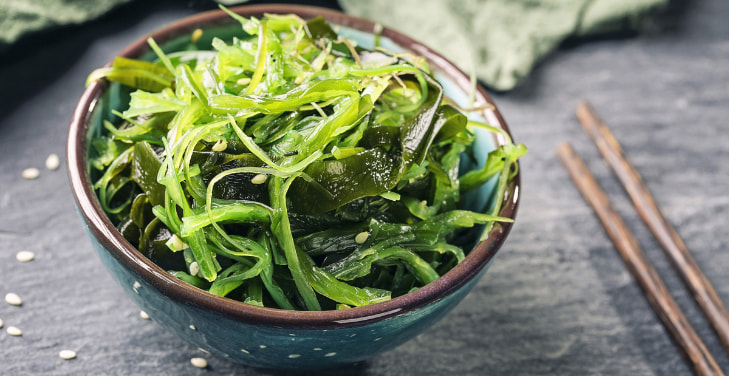
Fucoxanthin supplements may cause side effects or interactions depending on dosage, formulation, and individual health factors.
What Is Fucoxanthin?
Fucoxanthin is a naturally occurring carotenoid in the xanthophyll pigment group, found in brown seaweed and some marine organisms. This compound gives marine plants their characteristic yellowish-brown color and has attracted attention in research on energy metabolism and metabolic health.
Natural Sources of Fucoxanthin
Fucoxanthin is concentrated in wakame, kombu, hijiki, and many other brown seaweed species. When consumed as food, fucoxanthin levels depend on the seaweed species, growing conditions, processing methods, and serving size.
Fucoxanthin Supplements
Supplements typically provide fucoxanthin as concentrated extracts from seaweed or refined marine materials. Active ingredient content varies between products, so users should check the ingredient list and recommended serving size.
Why Dosage Matters
Supplements deliver fucoxanthin to the body in a more concentrated form than conventional food sources. Dosage, ingredient quality, product formulation, and individual characteristics all influence tolerability.
Common Side Effects of Fucoxanthin
Fucoxanthin is generally well tolerated in short-term studies; however, some individuals may react to concentrated supplements. The severity of these reactions depends on the dose, product formulation, and individual response.
Digestive Symptoms
Digestive symptoms may include bloating, abdominal discomfort, nausea, mild abdominal pain, or changes in bowel frequency. High doses may put greater strain on the digestive system, especially in individuals with sensitive guts.
Headaches and Other Reactions
Some individuals may experience headaches or other discomfort after use. Individual reactions also depend on the product's ingredients, the source of the raw materials, and current health conditions.
Individual Tolerance
Tolerance varies among individuals. Start with the recommended dosage on the label, monitor your body's response, and maintain the appropriate dose to reduce the risk of side effects.
Fucoxanthin and Digestive Health
Fucoxanthin can affect the digestive system through the properties of the concentrated compound and the supplement's accompanying ingredients. Tolerance depends on the dose used, the product formulation, and the individual's gut characteristics.
Gastrointestinal Responses
Some people may experience bloating, abdominal distension, nausea, mild abdominal pain, or changes in bowel frequency after using fucoxanthin. These symptoms are often related to the digestive system's adaptation to the supplement.
Higher-Dose Considerations
High fucoxanthin doses may increase the likelihood of gastrointestinal discomfort. Sticking to the recommended serving size helps keep intake within the appropriate range for the product formulation.
Supporting Digestive Tolerance
Users should monitor their digestive reactions during the initial period and maintain a consistent usage routine. Choosing products with transparent ingredient lists also helps you identify active ingredients that may affect the gut.
Fucoxanthin and Blood Sugar Levels
Researchers are studying fucoxanthin for its potential role in glucose metabolism and metabolic health. Several preclinical studies have noted potential effects on glucose regulation mechanisms, while human data still require further evidence to determine the actual extent of these effects.
Glucose Metabolism
Fucoxanthin may be involved in mechanisms related to energy metabolism and insulin response. These effects support research into glycemic control, particularly when using concentrated seaweed extracts.
Blood Sugar Monitoring
Individuals taking blood sugar-lowering medications should monitor their glucose levels regularly when supplementing with fucoxanthin. The combination of fucoxanthin and medication may affect individual glycemic response.
Medication Considerations
Individuals undergoing diabetes treatment should consult with their healthcare provider before using concentrated fucoxanthin products. Evaluating current medications, supplemental dosages, and blood glucose levels helps develop an appropriate treatment plan.
Fucoxanthin and Blood Pressure
Fucoxanthin is attracting attention in research on metabolism and cardiovascular health. Several preclinical studies have noted its potential role in mechanisms that regulate blood pressure, vascular function, and lipid metabolism. Human data currently focus on safety and metabolic markers.
Cardiovascular Effects
Fucoxanthin may affect biological mechanisms related to lipid metabolism and vascular function. These mechanisms form the basis for research into the relationship between fucoxanthin and blood pressure.
Blood Pressure Monitoring
Individuals taking antihypertensive medication should monitor their blood pressure regularly when supplementing with fucoxanthin. Recording blood pressure readings helps assess individual response during treatment.
Antihypertensive Medications
Individuals taking antihypertensive medication should consult with their healthcare provider before using concentrated fucoxanthin. Considering all medications, supplements, and health conditions helps control factors that may affect blood pressure.
Medication Interactions With Fucoxanthin
Fucoxanthin may present potential problems when used concurrently with medications, especially when multiple supplements are being used simultaneously. Data on drug interactions in humans is limited, so individual assessments should be based on the medications being used, dosages, and overall health status.
Blood Sugar Medications
Fucoxanthin may affect glucose metabolism, so those using insulin or hypoglycemic medications should monitor their glucose levels regularly. Healthcare professionals can assess the risk of altered treatment response based on individual regimens.
Blood Pressure Medications
Individuals using blood pressure medications should monitor their blood pressure while taking fucoxanthin supplements. Regular monitoring helps identify early changes in the body's response.
Multiple Supplements
Supplements containing multiple active ingredients may create additional interaction factors. Users should provide their healthcare provider with a complete list of all medications, vitamins, and supplements before starting fucoxanthin.
Fucoxanthin Dosage and Supplement Quality
Consider fucoxanthin dosage based on the active ingredient content, extract form, and formulation of each product. Raw-material quality also plays a crucial role in controlling the amount used and ensuring safety during long-term supplementation.
Recommended Dosage
Commercial products may offer varying amounts of fucoxanthin. Users should follow the label's recommended dosage and avoid increasing it on their own for faster results.
Supplement Standardization
High-quality products should clearly state fucoxanthin content, raw material source, supplemental ingredients, and usage instructions. Testing procedures help ensure product purity and consistency.
Excessive Supplementation
High doses may increase the risk of adverse reactions, especially in individuals with sensitive tolerances. When combining multiple products containing fucoxanthin or similar active ingredients, factor that into total daily intake.
Who Should Use Caution With Fucoxanthin?
Fucoxanthin is suitable for many nutritional supplement purposes; however, some groups should evaluate the concentrated extract more carefully before using it. Current medications, underlying medical conditions, physiological status, and sensitivities to marine ingredients can all affect safety.
People Taking Medications
Individuals taking hypoglycemic drugs, blood pressure medications, or other prescription medications should consult their healthcare provider before supplementing with fucoxanthin. Reviewing their entire regimen helps identify factors to monitor.
Pregnancy and Breastfeeding
Pregnant and breastfeeding women should exercise caution when using fucoxanthin supplements. Safety data in these two periods is limited, so professional guidance is necessary before use.
Marine Allergies and Sensitivities
Individuals with sensitivities to seaweed or other marine-derived ingredients should carefully check the ingredient source and list. Consider multi-ingredient products separately.
Long-Term Safety of Fucoxanthin
Long-term safety assessments of fucoxanthin should be based on duration of use, dosage, raw material source, and individual health characteristics. Existing studies provide data on tolerability over relatively short periods, while long-term use requires further clinical evidence.
Long-Term Human Evidence
Data on long-term human use of fucoxanthin is limited. Current studies focus on tolerability, metabolism, and several health markers over defined timeframes.
Seaweed Food and Concentrated Extracts
Seaweed provides fucoxanthin, along with many other nutrients. Fucoxanthin extracts deliver the active ingredient in higher concentrations, so dosage becomes a crucial factor in safety assessment.
Monitoring Extended Use
People using fucoxanthin long term should periodically review their dosage, product quality, and any other medications they take. A healthcare professional can help develop a monitoring plan tailored to individual needs.
How to Use Fucoxanthin More Safely
Safe fucoxanthin use requires attention to product source, dosage, accompanying ingredients, and individual health conditions. A controlled usage process helps users monitor tolerance and reduce factors that may increase the risk of adverse reactions.
Choose Quality Supplements
Prioritize products with clearly sourced ingredients, transparent ingredient lists, and specific information on fucoxanthin content. Quality testing helps control the formula's purity and consistency.
Follow Serving Recommendations
Adhere to the manufacturer's recommended serving size and maintain a consistent dosage. Users should check the total fucoxanthin intake from multiple products to control their daily supplementation level.
Review Medications and Health Conditions
Individuals taking medication or with underlying health conditions should consult with a healthcare professional before supplementing with fucoxanthin. Providing a complete list of medications, vitamins, and supplements helps assess potential interactions and choose appropriate usage methods.
Conclusion
Fucoxanthin is a carotenoid from brown seaweed, studied for its effects on energy metabolism, glucose, and cardiovascular health. Concentrated supplements require appropriate dosage and products from a reputable source.
Users should consider their tolerance, existing medications, and individual health conditions. Monitoring their body's response and seeking professional guidance will help establish a safe and controlled approach to fucoxanthin supplementation.
Frequently Asked Questions (FAQs)
- Can Fucoxanthin Cause Digestive Problems? – Fucoxanthin may cause bloating, abdominal distension, nausea, mild abdominal pain, or changes in bowel habits in some people. Dosage, product formulation, and individual tolerance affect the degree of digestive reaction.
- Does Fucoxanthin Affect Blood Sugar? – Fucoxanthin may be involved in glucose metabolism and insulin response in studies. People taking blood sugar-lowering medication should monitor their glucose regularly and discuss this with a healthcare professional before supplementing with this concentrate.
- Can Fucoxanthin Lower Blood Pressure? – Researchers are studying fucoxanthin's relationship with cardiovascular health and blood pressure regulation mechanisms. People taking blood pressure medication should monitor their blood pressure regularly and discuss this with a healthcare professional before use.
- Who Should Avoid Fucoxanthin Supplements? – Pregnant women, breastfeeding mothers, those taking multiple medications, or those with metabolic and cardiovascular conditions should exercise caution when using fucoxanthin. People sensitive to marine ingredients should check the source and ingredient list before use.
- How Can Fucoxanthin Be Used Safely? – Safe use of fucoxanthin requires choosing products from reputable sources, checking the active ingredient content, and adhering to the recommended dosage on the label. Before starting, review your medications, supplements, and health conditions.
