
The human body operates through thousands of intricate biological reactions, in which essential fatty acids play a crucial role in skin health, the nervous system, and hormonal balance. Evening primrose oil has attracted attention due to its gamma-linolenic acid (GLA) content, a nutrient with exceptional biological value and still open to many fascinating discoveries.
Many experts continue to research the potential of evening primrose oil to clarify its long-term health effects. Understanding its advantages, limitations, and appropriate uses will help individuals make informed choices and build sustainable healthcare strategies.
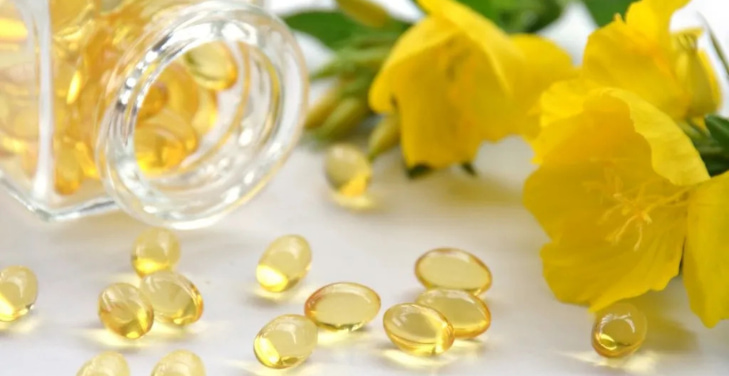
Evening primrose oil offers potential health benefits alongside important safety considerations for everyday supplementation.
What Is Evening Primrose Oil?
Evening primrose oil is a bioactive vegetable oil widely used in nutrition and healthcare. Its notable components attract research attention due to their role in numerous physiological processes, particularly those related to skin health, hormonal balance, and inflammatory responses.
Plant Source and Extraction
Evening primrose oil is extracted from the seeds of the evening primrose plant (Oenothera biennis). The cold-pressing process preserves essential fatty acids and maintains the nutritional value of the product. The finished oil is typically available in softgel capsules or liquid form for daily supplementation.
Rich in Gamma-Linolenic Acid (GLA)
Gamma-linolenic acid (GLA) is a highly bioactive omega-6 fatty acid. The body uses GLA to synthesize many compounds involved in regulating immune responses, supporting cell membrane structure, and contributing to the maintenance of skin, nervous system, and many vital tissues.
How It Supports the Body
After absorption, GLA participates in lipid metabolism pathways and supports the creation of many bioregulatory molecules. This process helps maintain the skin's protective barrier, supports hormonal balance, enhances cellular health, and promotes a stable physiological state.
What Makes Evening Primrose Oil Unique?
Evening primrose oil stands out thanks to its highly bioactive fatty acid composition and its ability to participate in many important metabolic mechanisms. The value of this oil stems from its plant-based origin, high-quality production process, and stable GLA content in each serving.
Gamma-Linolenic Acid (GLA) Advantage
GLA is an omega-6 fatty acid present in significant amounts in evening primrose oil. After absorption, GLA participates in the synthesis of bioregulatory molecules, contributing to the balance of inflammatory responses, maintaining cell membrane integrity, and promoting numerous metabolic activities related to the skin, endocrine system, and overall health.
Natural Bioactive Profile
Evening primrose oil contains many essential fatty acids and valuable plant compounds. The cold-pressing process helps preserve the active ingredients, maintain purity, and enhance product quality. The combination of carefully selected ingredients and standardized GLA content provides the foundation for consistent supplemental efficacy in a variety of health care goals.
Pros of Evening Primrose Oil
Evening primrose oil has attracted the attention of many nutritionists and researchers for its ability to support various important physiological functions. Its abundant gamma-linolenic acid (GLA) content provides the foundation for positive effects on skin, endocrine system, and overall health when used correctly.
Supports Skin Health
GLA helps maintain the skin's protective barrier, enhances natural moisture, and supports cell regeneration. Many studies have shown that skin becomes softer, more elastic, and healthier when the body receives sufficient amounts of this essential fatty acid.
Promotes Women's Hormonal Health
Evening primrose oil supports the balance of physiological processes related to the menstrual cycle and premenopause. GLA participates in the synthesis of biological regulators, contributing to maintaining a sense of well-being, stabilizing endocrine health, and improving quality of life.
Supports Joint and Overall Wellness
The essential fatty acids in evening primrose oil help maintain cell membrane structure, support mobility, and promote cardiovascular, neurological, and immune health. Proper supplementation helps build a sustainable nutritional foundation for long-term health.
Cons of Evening Primrose Oil
Evening primrose oil offers many nutritional benefits, but careful consideration is needed before supplementation. Each body has its own metabolic characteristics, so tolerance and response levels vary. Understanding the limitations helps develop a suitable usage plan and enhance safety during supplementation.
Potential Side Effects
Some people report mild gastrointestinal discomfort such as bloating, nausea, or loose stools after use. Some people experience transient headaches or dizziness. Appropriate dosage, timing of use, and monitoring of body reactions contribute to a more favorable supplementation experience.
Safety Considerations
Evening primrose oil may affect blood clotting and nerve function in certain groups of individuals. People taking anticoagulants, those with a history of seizures, pregnant women, breastfeeding women, and those preparing for surgery should consult a healthcare professional to determine the appropriate dosage and develop a safe supplementation plan.
What Does Scientific Research Show?
Research on evening primrose oil continues to expand across many areas of medicine and nutrition. Current data provide a clearer picture of the role of gamma-linolenic acid (GLA) and help identify groups of people who are likely to derive high supplemental value when used as directed.
Evidence with Stronger Support
Numerous clinical trials have shown that GLA helps maintain skin moisture, support the epidermal barrier, and improve several symptoms related to women's health. Some studies have also noted positive effects on joint discomfort and physiological inflammatory processes, laying the groundwork for many applications in healthcare.
Areas Requiring Further Investigation
Research continues to evaluate the effectiveness of evening primrose oil for various other health conditions, including premenstrual syndrome, eczema, peripheral neuropathy, and cardiovascular health. The diversity in dosage, supplementation duration, GLA content, and participant characteristics resulted in a wide range of findings, contributing to a broader scientific understanding and guiding future in-depth research.
Who Is Most Likely to Benefit?
Evening primrose oil offers nutritional benefits to many groups due to its rich content of gamma-linolenic acid (GLA). Its effectiveness depends on individual physiological needs, diet, and health goals. Choosing the right target group helps maximize this vegetable oil's potential.
Adults Seeking Skin Support
Adults seeking healthy skin often choose evening primrose oil to supplement their GLA intake. This fatty acid contributes to maintaining the skin's protective barrier, supports natural moisture, enhances elasticity, and promotes effective skin cell regeneration.
Women with Hormonal Changes
Women during their menstrual cycle or perimenopause are often interested in evening primrose oil to support the balance of hormonal processes. GLA participates in the production of bioregulatory compounds, helping maintain stable health and improve quality of life.
People with Higher Essential Fatty Acid Needs
Individuals whose diets lack essential fatty acids or who wish to improve their nutritional intake can supplement with evening primrose oil, a rich source of omega-6 GLA. Proper use supports cell membrane function, the immune system, and many important metabolic processes in the body.
Who Should Avoid or Use It With Caution?
Evening primrose oil is suitable for many adults; however, some groups should have their health status and medical history assessed before supplementation. Consulting a healthcare professional helps develop a usage plan tailored to individual needs and optimizes safety throughout the supplementation process.
People Taking Blood-Thinning Medications
A healthcare professional should evaluate individuals taking anticoagulants or antiplatelet medications before supplementing with evening primrose oil. GLA can affect blood clotting, so monitoring dosage and duration of use helps maintain stability in the treatment plan.
Individuals with Seizure Disorders
Individuals with a history of seizure disorders or epilepsy should discuss this with their doctor before use. Considering their medical history, medications, and risk factors helps in choosing a suitable supplement for their specific health condition.
Pregnant, Breastfeeding, and Surgical Patients
Pregnant women, breastfeeding women, and patients preparing for surgery benefit from professional consultation before using evening primrose oil. Healthcare professionals will consider nutritional needs, timing of use, and appropriate dosage to support overall healthcare.
How to Use Evening Primrose Oil Safely
Using evening primrose oil correctly helps the body absorb essential fatty acids effectively and enhances long-term supplemental value. Choosing the right dosage, the appropriate time to use it, and monitoring your body's reaction form the basis of a scientifically sound health care plan.
Follow the Recommended Dosage
Dosage should be based on health goals, the gamma-linolenic acid (GLA) content in the product, and the manufacturer's or healthcare professional's instructions. Maintaining a consistent daily dosage helps the body adapt better and supports the metabolism of essential fatty acids.
Take It with Meals
Evening primrose oil is best absorbed when taken with meals containing healthy fats. The habit of taking it at the same time each day helps establish a regular supplementation schedule, helping maintain stable GLA levels in the body.
Monitor Your Response
Monitoring your body's response during the first few weeks helps assess how well the product is working. A healthcare professional can adjust the dosage or duration of use based on individual nutritional needs, health goals, and physiological factors.
How to Choose a Quality Evening Primrose Oil Supplement
The quality of evening primrose oil determines its nutritional value and the stability of its bioactive compounds. Choosing a product based on manufacturing standards, composition, and purity enhances the effectiveness of supplementation and provides peace of mind during long-term use.
Check GLA Content and Ingredient Quality
The gamma-linolenic acid (GLA) content reflects the core value of evening primrose oil. Product labels should clearly state the amount of GLA per serving, the source of the raw materials, and accompanying ingredients. Cold-pressed evening primrose oil typically retains more of its naturally occurring compounds with high bioavailability.
Choose Trusted Manufacturing Standards
Products from reputable brands usually meet stringent manufacturing standards such as GMP and undergo quality control testing. Sealed packaging, dark-colored bottles, and clear expiration dates help protect the oil from light and oxidation. Third-party certification also helps to confirm the purity, consistency, and quality of the product.
Conclusion
Evening primrose oil is a valuable source of gamma-linolenic acid (GLA), which supports the health of the skin, endocrine system, joints, and many other vital physiological functions. Choosing a quality product, using the correct dosage, and tailoring it to individual needs lays the foundation for sustainable long-term health benefits.
Every supplement decision should be based on health goals, physical condition, and advice from a healthcare professional. A scientific approach, combined with holistic health practices, optimizes the benefits of evening primrose oil and enhances quality of life over time.
Frequently Asked Questions (FAQs)
- Can evening primrose oil be taken every day? – Many people take evening primrose oil daily according to the manufacturer's instructions or the advice of a healthcare professional. Using the recommended dosage helps provide a consistent supply of gamma-linolenic acid (GLA) to support skin health, hormonal function, and other physiological processes.
- How long does it take for evening primrose oil to work? – The time required to notice benefits varies depending on individual health goals, dosage, diet, and metabolism. Many people continue supplementation for several weeks to allow the body to absorb and utilize gamma-linolenic acid (GLA).
- What is the best time to take evening primrose oil? – Many healthcare professionals recommend taking evening primrose oil with meals to support the absorption of its fatty acids. Taking it at the same time each day also helps establish a consistent supplementation routine.
- Can evening primrose oil be combined with other supplements? – Evening primrose oil is often included in wellness plans alongside omega-3 fatty acids, vitamin D, and other nutrients. A healthcare professional can recommend combinations that match individual health goals, dietary intake, and overall health.
- What should I look for when buying an evening primrose oil supplement? – Choose a product that clearly states its gamma-linolenic acid (GLA) content, ingredient source, manufacturing process, and quality testing standards. Reputable brands, third-party certifications, and proper packaging are also important indicators of product quality.
