
Allspice is a spice rich in aromatic compounds, possessing notable bioactive properties and posing potential risks when used excessively. In particular, eugenol in its essential oil can cause irritation, allergic reactions, and systemic toxicity at high concentrations.
Understanding the side effects, liver damage risks, and drug interactions helps consumers use allspice safely and in moderation.
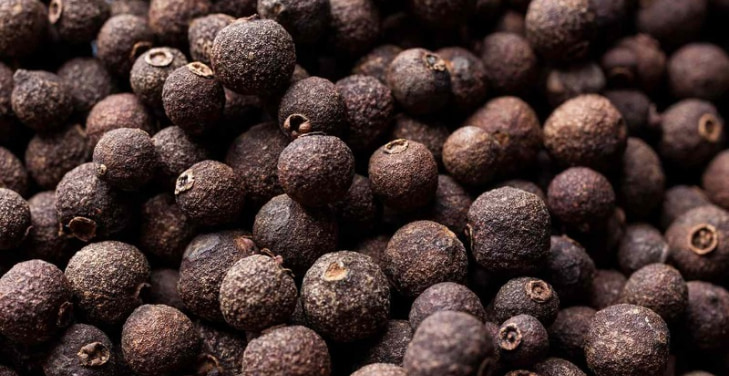
Allspice contains aromatic compounds that may cause irritation or adverse effects when consumed in excessive amounts.
What Is Allspice?
Allspice is a tropical spice derived from the fruit of the Pimenta dioica tree, belonging to the Myrtaceae family. This spice contains many volatile aromatic compounds, especially eugenol, which gives it its characteristic warm, spicy flavor. Its chemical composition determines allspice's properties and safety when used.
Botanical Overview of Allspice (Pimenta dioica)
Pimenta dioica is an evergreen woody tree, mainly distributed in the Caribbean and Central America. The fruit is small and spherical, containing many aromatic compounds in the fruit tissue and seeds. These components create allspice's characteristic aroma.
Common Culinary Forms of Allspice
Allspice is commonly found in two forms: dried whole fruit and finely ground powder. Whole fruit retains its aroma for longer, while the powder form is convenient for preparing stews, sauces, baked goods, and marinades.
Active Compounds in Allspice
Allspice contains eugenol, methyl eugenol, caryophyllene, and various terpene compounds. Eugenol contributes to the warm, spicy aroma and possesses notable biological activity. Essential oil content varies with fruit maturity and extraction method.
Common Side Effects of Allspice
Allspice contains bioactive aromatic compounds, particularly eugenol and volatile essential oils. In large quantities, these substances can affect the digestive system, oral mucosa, and immune response. The severity of these effects depends on the dosage, form of use, and individual sensitivities.
Digestive Discomfort and Stomach Irritation
Allspice can cause gastrointestinal discomfort, including bloating, abdominal pain, nausea, and heartburn. The spice's aromatic compounds irritate the digestive mucosa, especially when used in large quantities or in concentrated products.
Allergic Reactions and Individual Sensitivity
Some sensitive individuals may experience allergic reactions after exposure to allspice. Common symptoms include itching, hives, rash, and lip swelling. Immune responses depend on individual sensitivity.
Mouth or Throat Irritation
Allspice essential oil contains eugenol, a compound that can irritate mucous membranes upon contact at high concentrations. Users may experience burning in the mouth, throat discomfort, or tongue irritation, especially with direct contact with concentrated essential oil.
Allspice and Eugenol - Related Health Concerns
Eugenol is an aromatic phenolic compound that plays a key role in allspice essential oil. It possesses notable biological activity and can cause adverse reactions when the body is exposed to high concentrations. Risk depends on dose, route of exposure, and individual metabolism.
Eugenol as a Major Aromatic Compound
Eugenol creates the characteristic warm, spicy aroma of allspice. This compound exhibits antioxidant and antimicrobial activity in experimental studies. Its phenolic structure also contributes to its biointeraction with body cells and tissues.
Potential Irritation from Concentrated Eugenol Exposure
High concentrations of eugenol can irritate the skin, oral mucosa, and gastrointestinal tract. Direct contact with concentrated essential oil can lead to burning sensations, contact dermatitis, and tissue damage at the exposure site.
Toxicity Concerns Associated with Excessive Exposure
Excessive exposure to eugenol can cause nausea, vomiting, dizziness, and liver damage. Severe cases of poisoning may also carry a risk of blood clotting disorders and impaired liver function.
Risks of Allspice Essential Oil
Allspice essential oil contains high levels of volatile aromatic compounds, particularly eugenol. Its high concentration of active ingredients can cause skin irritation, mucosal damage, and systemic toxicity. The degree of impact depends on the dosage, method of use, and duration of contact.
Skin Irritation and Contact Sensitivity
Allspice essential oil can cause skin redness, itching, burning, and contact dermatitis. Eugenol plays a significant role in these irritations and sensitization reactions. Sensitive skin often shows symptoms after direct contact.
Oral and Digestive Tract Irritation
Swallowing allspice essential oil can cause mouth burning, abdominal pain, nausea, and vomiting. High concentrations of eugenol can irritate the digestive tract's mucous membranes, leading to adverse reactions when ingested in large quantities.
Accidental Ingestion and Excessive Exposure
Accidental ingestion of large amounts of allspice essential oil can lead to systemic poisoning, liver damage, and neurological disorders. Young children are especially vulnerable to concentrated products.
Proper Dilution and Safe Storage
Users should dilute the essential oil according to professional instructions and avoid direct contact with eyes and mucous membranes. Store the product in a tightly sealed, clearly labeled bottle and keep it out of reach of children.
Allspice and Liver Health
The liver plays a central role in metabolizing aromatic compounds in allspice, particularly eugenol and other volatile essential oil components. This metabolic activity is directly related to the body's ability to process toxins and maintain liver cell function. Consumption and exposure levels determine the potential effects on liver health.
Metabolism of Concentrated Aromatic Compounds
The liver metabolizes eugenol through enzymatic reactions, conjugation, and metabolite elimination. This process helps the body process the bioactive compounds in allspice essential oil.
Potential Liver Toxicity from Excessive Exposure
Exposure to large amounts of eugenol can cause liver cell damage, elevated liver enzymes, and impaired liver function. Severe essential oil poisoning can also lead to liver necrosis and metabolic disorders.
Limitations of Human Safety Research
Current data on the long-term effects of allspice on the human liver are limited. Much of the toxicity evidence is focused on animal studies and cases of high-dose eugenol poisoning.
Allspice Allergies and Sensitivity
Allspice contains many aromatic compounds that can interact with the immune system and epithelial tissue. In sensitive individuals, exposure to allspice spices or essential oils can trigger allergic reactions, causing symptoms on the skin, respiratory tract, and digestive system. The severity of manifestations depends on individual susceptibility and exposure level.
Possible Symptoms of Spice-Related Allergic Reactions
Allspice allergic reactions can cause itching, hives, rashes, lip swelling, and gastrointestinal discomfort. Severe cases may involve shortness of breath, tongue swelling, or anaphylaxis and require immediate medical attention.
Cross-Sensitivity and Individual Response Patterns
People sensitive to spices in the same allergen family or certain aromatic compounds may experience cross-reactions. Sensitivity varies based on individual immune characteristics and allergy history.
Recognizing Symptoms Requiring Medical Attention
Throat swelling, difficulty breathing, severe dizziness, and a drop in blood pressure are warning signs of anaphylaxis. Anyone experiencing these symptoms needs immediate medical attention to manage a systemic allergic reaction.
Allspice Interactions and Medication Precautions
Allspice contains eugenol and several bioactive essential oil compounds, which can interact with certain drug classes. The degree of impact depends on the active ingredient concentration, the dose used, and the individual's health condition. In particular, consider extracts and concentrated essential oils carefully when combining them with medications.
Potential Interactions with Blood-Thinning Medications
Eugenol has been shown to affect platelet aggregation in experimental studies. Using large amounts of eugenol with warfarin or anticoagulants may increase the risk of bleeding and bruising.
Concerns with Concentrated Eugenol Products
Allspice essential oil contains eugenol at high concentrations, which may affect drug metabolism and liver function with excessive exposure. Use concentrated products only under professional guidance.
Medication Review and Healthcare Guidance
Individuals taking anticoagulants, antiplatelet drugs, or medications for liver disease should discuss allspice essential oil supplementation with their doctor. Assessing dosage and potential interactions helps ensure safe treatment.
Who Should Avoid Concentrated Allspice Products?
Allspice essential oil and extracts contain high levels of eugenol and other highly bioactive aromatic compounds. Concentrated products can cause irritation, allergic reactions, and systemic toxicity when used inappropriately. Certain groups require extra caution because of their physiological characteristics and health conditions.
Pregnant and Breastfeeding Individuals
Pregnant and breastfeeding women should be cautious with allspice essential oil due to limited safety data on high doses of eugenol. Use concentrated products only with guidance from a healthcare professional.
Children and People with Sensitive Skin
Young children are at high risk of poisoning if they accidentally ingest concentrated essential oil. People with sensitive skin or a history of contact dermatitis are also more likely to experience irritation, itching, and rashes after contact.
Individuals with Liver Conditions or Medication Use
Individuals with liver disease should exercise caution with products containing high concentrations of eugenol due to the risk of increased metabolic burden. Those taking anticoagulants or medications that affect platelet function should consult their doctor before use.
How to Use Allspice More Safely?
Using allspice safely requires controlling dosage, product quality, and application methods. Aromatic compounds like eugenol offer notable biological properties but can also irritate the body with excessive use. The following principles help limit excessive exposure and protect health.
Keeping Culinary Portions Moderate
Consumers should use allspice in moderation in their daily meals. Portion control helps limit excessive exposure to eugenol and other essential oil compounds.
Choosing Reputable Spices and Properly Labeled Products
Prioritize products with clear origins, intact packaging, and transparent ingredient information. Dry storage conditions help maintain spice quality and reduce contamination risk.
Avoiding Undiluted Essential Oil and Accidental Ingestion
Dilute allspice essential oil according to professional instructions before using it externally. Keep essential oil bottles tightly sealed, out of reach of children, and avoid swallowing the product directly.
Seeking Medical Advice After Significant Exposure
If severe abdominal pain, vomiting, severe irritation, or signs of an allergic reaction occur, users should seek medical evaluation immediately. If you accidentally ingest concentrated essential oil, contact a poison control center or emergency service immediately.
Conclusion
Allspice provides a distinctive flavor and contains many bioactive aromatic compounds, especially eugenol. Excessive consumption or exposure to concentrated essential oils can cause digestive irritation, allergic reactions, and liver toxicity.
Using spices in moderation, choosing quality products, and controlling exposure to essential oils helps protect your health.
Frequently Asked Questions (FAQs)
- Can Allspice Cause Side Effects? – Allspice may cause bloating, abdominal pain, nausea, and oral irritation in some people. The severity of these effects depends on the amount consumed, individual sensitivity, and the concentration of aromatic compounds.
- Is Allspice Essential Oil Toxic? – Allspice essential oil contains concentrated eugenol, which may cause skin irritation, mucosal damage, and poisoning when ingested in large quantities. Severe poisoning can lead to liver injury and neurological complications.
- Can Allspice Affect Liver Health? – Excessive exposure to eugenol in allspice essential oil may damage liver cells and disrupt normal liver function. This risk is primarily associated with essential oil poisoning or exposure to highly concentrated preparations.
- Can Allspice Cause Allergic Reactions? – Allspice may trigger allergic reactions in sensitive individuals, including itching, hives, skin rashes, and lip swelling. Severe reactions can involve shortness of breath, throat swelling, or anaphylaxis, which requires immediate emergency treatment.
- Does Allspice Interact With Blood-Thinning Medications? – Eugenol may affect platelet aggregation, according to experimental studies. Using concentrated eugenol products alongside anticoagulant or antiplatelet medications may increase bleeding risk, so medical guidance is recommended.
