
The demand for safe cookware is increasing as more people become concerned about long-term health and the quality of their daily meals. The material composition of pots and pans has become a key topic of interest due to its direct impact on food preparation and exposure to various substances.
Titanium is attracting attention due to its high durability and impressive heat resistance. Understanding the properties of this material, its potential risks, and how to use it correctly will help each family make informed decisions, contributing to a safe cooking environment and protecting long-term health.
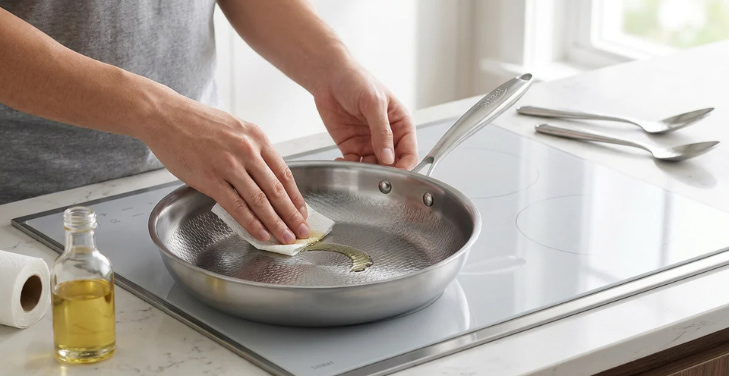
Titanium cookware offers durability, heat resistance, and safe cooking when used and maintained correctly.
What Is Titanium in Cooking?
Titanium is increasingly popular in kitchenware due to its high durability, light weight, and excellent heat resistance. However, the term "titanium cookware" encompasses many types of products with different compositions. Understanding the nature of this material helps accurately assess its safety and potential risks.
Pure Titanium Cookware
Pure titanium forms the entire body of the pot or pan, providing corrosion resistance and maintaining structural stability during cooking. This material forms a natural oxide layer on the surface, limiting interaction with food and maintaining durability over time.
Titanium-Coated Cookware
Many products use a titanium-containing coating on an aluminum or stainless steel base to increase hardness and improve scratch resistance. This composition directly affects heat transfer efficiency, product lifespan, and usability during cooking.
Common Uses in Modern Kitchens
Titanium is used in pots, pans, water bottles, cups, and camping equipment due to its lightweight, durable properties. Identifying the correct type of equipment being used forms the basis for assessing health and safety factors related to food preparation.
Why Is Titanium Popular for Cookware?
Titanium has become a popular choice in many modern kitchens due to its ability to simultaneously meet the requirements of durability, practicality, and safety. The combination of superior mechanical properties and adaptability to the cooking environment helps this material maintain its appeal in the kitchenware market.
Lightweight Yet Highly Durable
Titanium has a very high strength-to-weight ratio, resulting in a light yet sturdy feel. This material is impact-resistant, maintains its shape after many years of use, and is suitable for both daily cooking and outdoor activities.
Corrosion and Rust Resistance
The surface of titanium forms a naturally occurring oxide layer that is highly stable, helping the utensils resist corrosion when in contact with water, salt, and many types of food. This characteristic helps maintain surface quality, limit wear and tear, and extend the product's lifespan.
Heat Performance and Cooking Convenience
Titanium withstands high temperatures and maintains its material structure during food processing. Many manufacturers combine titanium with aluminum or stainless steel cores to increase heat transfer efficiency, ensuring even cooking, better temperature control, and a consistent cooking experience.
Are There Real Dangers of Titanium in Cooking?
Titanium is generally considered a stable material in cooking environments. However, safety depends on the cookware's construction, manufacturing quality, and actual usage. Proper analysis of each factor helps identify potential risks in the kitchen.
Scientific Evidence on Titanium Safety
Studies show that pure titanium maintains chemical stability when exposed to normal cooking temperatures. The natural oxide layer on the surface helps protect the metal, maintaining corrosion resistance and reducing the release of metal particles into food under appropriate usage conditions.
Potential Sources of Risk
Most risks associated with "titanium" cookware stem from the non-stick coating, alloy, or manufacturing process. Surface finish quality, coating durability, and testing standards directly affect performance and long-term safety.
Potential Health Concerns to Consider
Titanium offers many benefits in cooking; however, several factors related to product design and usage still need careful consideration. Identifying the sources of these risks helps choose safer, more sustainable cookware.
Wear of Titanium-Coated Surfaces
Titanium-containing coatings can degrade over time or after multiple heating cycles. Scratches, wear, or small cracks may appear on the surface, altering the protective effect and impacting the stability of the cookware during food preparation.
Quality of Manufacturing Materials
Manufacturing standards determine a product's material composition and safety. Quality-certified cookware typically uses high-purity alloys, durable coatings, and rigorous quality-control processes, thereby reducing the risk of exposure to unwanted contaminants.
Long-Term Exposure Considerations
Current studies show that pure titanium maintains high biological stability under normal cooking conditions. Choosing quality products, proper storage, and replacing worn-out utensils help maintain a safe food-processing environment over the long term.
Titanium vs. Nonstick Coatings
Both titanium and nonstick coatings aim to improve cooking efficiency, but each works based on different material mechanisms. Understanding the structure and properties of each option helps users make decisions that suit their needs and health priorities.
Differences in Construction
Pure titanium cookware uses titanium as the primary material or pairs it with a heat-conducting core to improve efficiency. Meanwhile, many nonstick pans use a polymer or ceramic coating on an aluminum or steel base to create a smooth surface and reduce food sticking.
Performance Under High Heat
Titanium maintains a stable structure at high cooking temperatures and supports extended cooking times. The effectiveness of a nonstick pan depends on the coating's heat-resistance limit, so controlling the temperature appropriately helps maintain surface quality and extend product lifespan.
Long-Term Safety and Maintenance
Titanium offers high durability and withstands many cycles of continuous use. Non-stick pans perform best when cleaned gently, used with appropriate cookware, and replaced when the coating shows signs of deterioration, thereby maintaining a stable and safe cooking environment.
Factors That Can Increase Cooking Risks
The safety of titanium cookware depends heavily on usage and product quality. Cooking habits directly affect the surface's durability and its ability to maintain a safe food-preparation environment over time.
Excessive Heat Exposure
Excessive heat over extended periods puts significant stress on the material structure and coating of cookware. Maintaining the appropriate heat level for each dish helps preserve surface properties, improve heat-transfer efficiency, and extend product lifespan.
Improper Cleaning and Utensil Use
Metal scouring pads, abrasive detergents, and sharp-edged cookware create scratches on the surface. Using heat-resistant wooden, silicone, or plastic spoons along with gentle cleaning methods helps maintain the smoothness of the protective coating and ensures consistent cooking performance.
Low-Quality Manufacturing Standards
Products from reputable manufacturers typically meet stringent standards for material control and finishing processes. Choosing utensils with food safety certifications, clear origins, and transparent technical information enhances safety during long-term use.
Who Should Be More Cautious?
Titanium is considered a highly stable material for cooking; however, some groups still benefit from more careful utensil selection. Attention to product quality, surface condition, and manufacturing standards contributes to a safer food preparation environment every day.
Families with Young Children
Families with young children often prepare meals multiple times a day and use cooking utensils frequently. Prioritizing food-grade certified titanium products with intact surfaces and clear origins helps maintain food quality throughout the cooking process.
People with Metal Sensitivities
Some people have sensitivities to metals and benefit from choosing utensils made of transparent materials and certified to high quality standards. High-quality titanium products with stable construction enhance peace of mind during long-term use.
Frequent Home Cooks
People who cook daily create more heating and cleaning cycles for cookware than usual. Regularly checking the surface of pots and pans, following the manufacturer's instructions, and replacing products when signs of deterioration appear helps maintain cooking performance and protect food quality.
How to Use Titanium Cookware Safely
Titanium maximizes its benefits when users use and maintain it correctly. Simple cooking habits help maintain surface quality, extend the lifespan of cookware, and create a stable food-preparation environment for many years.
Use Appropriate Cooking Temperatures
Medium to high heat levels are suitable for most titanium cookware and meet daily cooking needs. Preheating the pan slowly before adding food helps distribute heat evenly, ensuring even cooking and reducing stress on the material's structure.
Choose Gentle Cleaning Methods
Soft cloths, sponges, and mild detergents help maintain the smoothness of the titanium surface after each use. Wooden, silicone, or heat-resistant plastic cookware also helps reduce friction, keeping the cooking surface durable, beautiful, and functioning effectively.
Inspect Cookware Regularly
Regular inspection helps detect early signs of wear, deformation, or damage to the surface. Replacing worn-out utensils at the right time and choosing products from reputable brands helps maintain food safety standards in the long run.
How Does Titanium Compare With Other Cookware Materials?
Each cookware material possesses unique characteristics regarding durability, heat conductivity, and stability when in contact with food. Titanium stands out for its robust structure and long lifespan, while other materials cater to different cooking needs in the modern kitchen.
Titanium vs. Stainless Steel
Titanium is lightweight, highly corrosion-resistant, and offers versatility for everyday use. Stainless steel provides excellent heat transfer when combined with an aluminum or copper core, and meets a variety of cooking needs in homes and restaurants.
Titanium vs. Cast Iron
Cast iron retains heat very efficiently and is suitable for prolonged stewing, baking, or pan-frying. Titanium scores points for its lightweight, rust-resistant nature and low maintenance, making it convenient for frequent users.
Titanium vs. Ceramic and Carbon Steel
Ceramic offers a smooth cooking surface and is suitable for many low-fat dishes. Carbon steel develops a natural non-stick coating over time and responds quickly to heat. Titanium balances durability, heat resistance, and chemical stability, making it an attractive choice for those prioritizing long-lasting durability and peace of mind during cooking.
Conclusion
Titanium offers a combination of durability, stability, and efficiency in everyday cooking. The true value of this material depends on product quality, manufacturing standards, and practical use. Understanding the proper construction of cookware helps accurately assess health-related factors.
Choosing cookware from reputable brands, maintaining the surface in good condition, and using appropriate methods contribute to a safe food-preparation environment. Decisions based on scientific evidence always yield long-term health benefits for the whole family.
Frequently Asked Questions (FAQs)
- Is titanium cookware safe for everyday cooking? – High-quality titanium cookware is suitable for everyday cooking because of its corrosion resistance, durability, and stability. When used and maintained properly, it meets food safety standards and provides long-lasting performance.
- Can titanium leach into food during cooking? – Pure titanium develops a stable natural oxide layer that helps resist corrosion under normal cooking conditions. Research indicates that titanium release into food is minimal when cookware is used correctly.
- Is titanium cookware better than nonstick cookware? – Titanium cookware is valued for its durability and heat resistance, while nonstick cookware is convenient for preparing delicate foods. The best choice depends on cooking preferences and intended use.
- How can I make titanium cookware last longer? – Using appropriate cooking temperatures, cleaning with non-abrasive tools, and regularly checking the cookware's surface help preserve its performance and extend its lifespan.
- Does all titanium cookware contain pure titanium? – Not all titanium cookware is made entirely of pure titanium. Some products combine a titanium coating with an aluminum or stainless steel core to improve heat distribution and cooking performance.
