
Beta-carotene is gaining attention in modern nutritional trends, especially as consumers focus on foods rich in carotenoids and antioxidants. Carrots, sweet potatoes, pumpkins, and leafy greens are becoming popular choices in diets focused on long-term health.
Nutritional studies continue to clarify beta-carotene's role in vitamin A, vision, immunity, and cellular health.
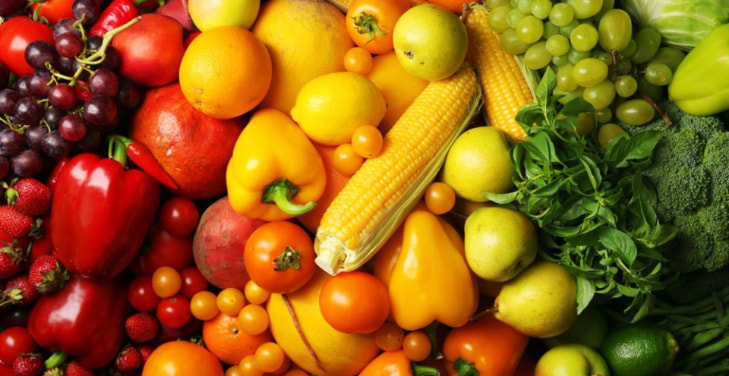
Beta-carotene is a colorful carotenoid found in vegetables, fruits, and nutritional supplements.
What Is Beta-Carotene?
Beta-carotene is a naturally occurring carotenoid that gives many plants their characteristic yellow, orange, and red colors. This compound plays an important role in nutrition, particularly because it provides the body with provitamin A.
A Natural Carotenoid
Beta-carotene belongs to a group of plant pigments with antioxidant activity. The body absorbs beta-carotene from food and converts a portion of it into vitamin A based on physiological needs. This process supports vision, immune function, and epithelial tissue maintenance.
Provitamin A Activity
Beta-carotene provides provitamin A, helping the body maintain the necessary vitamin A supply for many biological functions. The liver and metabolic tissues regulate how much beta-carotene is used based on nutritional needs.
Dietary Sources
Carrots, sweet potatoes, pumpkins, spinach, kale, and cantaloupe contain significant amounts of beta-carotene. Food's natural colors often reflect the abundance of carotenoids.
Beta-Carotene Benefits
Beta-carotene provides numerous nutritional benefits through its antioxidant activity and its ability to be converted into vitamin A. This compound supports many important physiological functions, particularly vision, immunity, and skin health.
Eye Health
Beta-carotene is a precursor to vitamin A, helping maintain the retina and the eye's ability to adapt to changing light conditions. Vitamin A supports the formation of rhodopsin, an essential visual pigment.
Immune Function
Vitamin A from beta-carotene supports the epithelial barrier and immune system function. A diet rich in carotenoids helps maintain a favorable nutritional environment for immune responses.
Antioxidant Activity
Beta-carotene can protect cells from the effects of free radicals. This activity helps maintain cell stability and supports overall health when the diet includes a variety of fruits and vegetables.
Foods High in Beta-Carotene
Beta-carotene is naturally present in many orange, yellow, and dark green fruits and vegetables. Incorporating a variety of carotenoid-rich foods increases the nutritional value of your daily diet.
Orange and Yellow Vegetables
Carrots, sweet potatoes, squash, and pumpkins provide significant amounts of beta-carotene. Carrots are rich in carotenoids, while sweet potatoes and squash add fiber, potassium, and many beneficial plant compounds.
Dark Green Leafy Vegetables
Spinach, kale, and collard greens contain beta-carotene along with many essential micronutrients. The green pigment of chlorophyll masks the natural orange color of carotenoids, creating the characteristic nutritional composition of dark green leafy vegetables.
Fruits Rich in Carotenoids
Cantaloupe, mango, and apricots provide beta-carotene along with vitamins, minerals, and antioxidants. Regularly including these fruits in your diet increases carotenoid diversity.
How Much Beta-Carotene Per Day?
The daily beta-carotene intake depends on diet, individual vitamin A needs, and nutritional goals. The body regulates beta-carotene conversion to vitamin A based on physiological needs.
Daily Dietary Intake
Diets rich in fruits and vegetables typically provide beta-carotene through carrots, sweet potatoes, pumpkins, spinach, and other leafy green vegetables. A varied diet can provide about 3–6 mg of beta-carotene per day as a significant source of carotenoids.
Supplement Dosage
Beta-carotene supplements often contain higher doses than a single serving of food. Users should choose their dosage based on nutritional needs, product ingredients, and guidance from a healthcare professional.
Factors Affecting Intake
Nutritional status, vitamin A intake, fat absorption, and usage goals all affect beta-carotene requirements. Natural food sources generally help maintain a stable daily carotenoid intake.
Beta-Carotene and Vitamin A
Beta-carotene plays a crucial role in vitamin A nutrition because the body can convert it into retinol as needed. This connection creates a flexible nutritional mechanism that links plant carotenoids to many essential biological functions.
Provitamin A Conversion
Beta-carotene is a provitamin A carotenoid. The small intestine absorbs beta-carotene with dietary fats, and enzymes convert it to retinal, an important intermediate in vitamin A formation.
Vitamin A Functions
Vitamin A supports vision and immune function and helps maintain skin and epithelial tissues. This nutrient also supports growth, cell differentiation, and the normal physiological activity of many organs.
Dietary Balance
Carrots, sweet potatoes, pumpkins, and leafy green vegetables provide natural beta-carotene. A varied diet helps the body get carotenoids, vitamins, and minerals at the same time, supporting a balanced supply of nutrients for vitamin A metabolism.
Beta-Carotene Supplements
Beta-carotene supplements provide carotenoids in clearly quantified amounts, suitable for those who want to control their daily intake. These products are often available as capsules, softgels, or multi-carotenoid formulations.
Supplement Forms
Beta-carotene is often available in oil-based softgel capsules, which help the carotenoids dissolve in fat and improve absorption. Some formulations combine beta-carotene with vitamin A, lutein, zeaxanthin, or other antioxidants.
Dosage Considerations
Dosage depends on the product's content, your diet, and your nutritional goals. Adults should check the product label, follow the recommended dosage, and consult a healthcare professional when taking high doses long-term.
Choosing a Supplement
Quality products should clearly state beta-carotene content, ingredient sources, serving size, and quality control standards. Consumers should prioritize transparent formulas with clear origins that suit their individual nutritional needs.
Beta-Carotene Side Effects
Beta-carotene is generally well tolerated when the diet provides adequate amounts. High supplemental doses may produce some noticeable changes in skin color and digestive reactions, especially with prolonged use.
Skin Discoloration
High beta-carotene intake can cause carotenemia, an orange-yellow discoloration of the skin, often more pronounced on the palms and soles. This condition reflects carotenoid accumulation in subcutaneous fatty tissue and usually improves with reduced intake.
Digestive Symptoms
Some people may experience bloating, nausea, or digestive discomfort when using high-dose supplements. Tolerance depends on the dose, product formulation, and individual digestive characteristics.
High-Dose Supplementation
Long-term, high-dose beta-carotene supplementation requires careful consideration. Smokers or those previously exposed to secondhand smoke should consult a healthcare professional before using products containing high doses of beta-carotene.
Beta-Carotene Safety and Risks
Beta-carotene from food is generally suitable for a balanced diet and provides a natural source of carotenoids. High-dose supplements require careful consideration of dosage, duration of use, and individual health conditions.
Food-Based Intake
Vegetables and fruits rich in beta-carotene provide carotenoids along with fiber, vitamins, minerals, and many plant compounds. Carrots, sweet potatoes, pumpkins, spinach, and kale are excellent daily sources of beta-carotene.
Supplement Safety
Use beta-carotene supplements according to label instructions and, when necessary, professional guidance. High doses over extended periods can increase carotenoid levels in the body and cause carotenemia, which can manifest as a yellow-orange discoloration of the skin.
Smoking Considerations
Smokers should use high doses of beta-carotene with caution. Large trials have noted an increased risk of lung cancer in smokers using high-dose beta-carotene supplements, so this group should consult with a healthcare professional before taking them.
Beta-Carotene vs. Other Carotenoids
Carotenoids are a diverse group of plant pigments, and beta-carotene, lutein, zeaxanthin, and lycopene each have distinct biological characteristics. Combining multiple carotenoids in the diet provides a rich source of nutrients.
Beta-Carotene and Lutein
Beta-carotene provides provitamin A activity, supporting vitamin A formation in the body. Lutein is concentrated in the retina and helps maintain eye health. Dark green leafy vegetables provide significant amounts of both carotenoids.
Beta-Carotene and Lycopene
Beta-carotene is abundant in carrots, sweet potatoes, and pumpkins. Lycopene is concentrated in tomatoes, watermelons, and pink grapefruit. Both carotenoids have antioxidant activity and help protect cells from oxidative stress.
Dietary Carotenoid Diversity
A diet rich in fruits and vegetables provides a variety of carotenoids along with vitamins, minerals, and plant compounds. This diversity supports overall nutrition and helps maintain stable carotenoid levels in the body.
Conclusion
Beta-carotene plays an important role in nutrition because of its antioxidant activity and its ability to convert into vitamin A. Food sources such as carrots, sweet potatoes, pumpkins, and leafy green vegetables provide natural carotenoids while also supplying many essential nutrients.
Eating beta-carotene-rich foods daily supports vision, immunity, and skin health. Consider dietary supplements based on dosage, duration of use, and individual health conditions.
Frequently Asked Questions (FAQs)
- What Is Beta-Carotene? – Beta-carotene is a naturally occurring carotenoid found in many fruits and vegetables. The body converts some beta-carotene into vitamin A, which supports vision, immune function, skin health, and the normal functioning of many tissues.
- What Foods Are High in Beta-Carotene? – Carrots, sweet potatoes, pumpkins, spinach, kale, mangoes, and cantaloupe provide significant amounts of beta-carotene. Regularly incorporating these foods increases natural carotenoid intake while also providing fiber, vitamins, and minerals.
- How Much Beta-Carotene Should You Take Per Day? – Beta-carotene requirements vary depending on diet and vitamin A needs. Approximately 3–6 mg per day can provide a significant amount of carotenoids. A varied diet generally provides adequate beta-carotene for most people.
- What Are the Benefits of Beta-Carotene? – Beta-carotene supports visual health by contributing to vitamin A production and helps maintain immune function and epithelial tissue. Its antioxidant activity also helps protect cells from oxidative stress.
- Are Beta-Carotene Supplements Safe? – Beta-carotene from food is part of a balanced diet. High-dose supplements should be used with caution, especially in smokers. Long-term supplementation should follow product instructions and guidance from a healthcare professional.
