
Blueberries hold a nutritional "mystery" that has attracted the attention of many health experts. These small berries contain a powerful source of bioactive compounds that directly impact children's overall development.
Nutritional studies have shown that blueberries support brain function, boost immunity, and promote natural growth. The harmonious combination of vitamins, antioxidants, and fiber creates a solid foundation for long-term health from the early years of life.
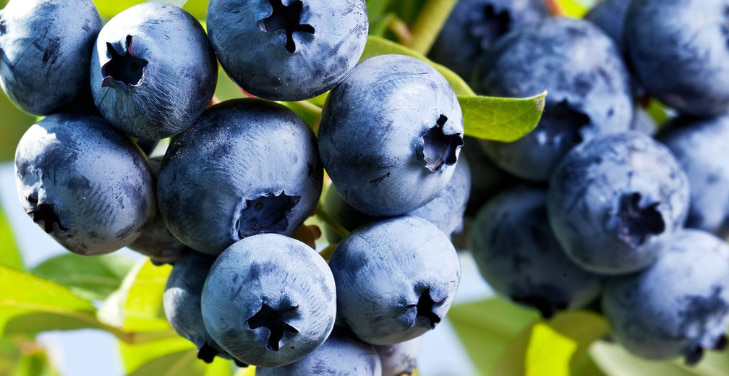
Sweet blueberries provide essential nutrients that support kids' growth, immunity, and brain development.
What Are Blueberries?
Blueberries, with their deep bluish-purple color, make a strong impression with their mild sweetness and refreshing aroma. This fruit is widely included in healthy children's diets, providing a natural source of nutrients that help the body develop harmoniously and actively every day.
Natural Origin and Botanical Features
Blueberries grow from small shrubs belonging to the Ericaceae family, thriving in temperate climates. The fruit is small and compact, with a smooth skin, juicy flesh, and contains many bioactive compounds. The anthocyanin pigment creates the characteristic bluish-purple color and also plays a role as a valuable nutritional component.
Kid-Friendly Taste and Texture
The soft, juicy texture makes them easy for children to chew and digest. The sweet, refreshing taste stimulates the taste buds, creating a pleasant sensation when eaten directly or incorporated into dishes. Their small, cute size makes blueberries an attractive choice for children's snacks.
Nutrient-Dense Superfruit for Growth
Blueberries provide a high density of vitamins, minerals, and antioxidants. Each serving delivers significant nutritional value, supporting physical development, boosting immunity, and nourishing brain function during a child's rapid growth phase.
Nutritional Profile for Growing Children
Blueberries offer a dense nutritional profile, perfectly suited to the rapid growth needs of children. Each small berry contains numerous essential micronutrients that support tissue formation, height growth, and overall health during early childhood.
Rich in Vitamins and Essential Micronutrients
Blueberries provide vitamin C, which boosts immunity and promotes collagen synthesis. Vitamin K supports blood clotting and strong bone development. Minerals like manganese participate in energy metabolism, helping children's bodies function flexibly and sustainably.
High Antioxidant Content for Cellular Protection
The abundant anthocyanin content creates a protective layer for cells against free radicals. This mechanism helps maintain healthy cell structure and supports brain and nervous system function during periods of rapid growth.
Dietary Fiber for Digestive Balance
The fiber in blueberries promotes bowel movements and supports a stable gut microbiome. Smooth digestion helps children absorb nutrients effectively and maintain a positive energy level every day.
Brain Development and Learning Support
Blueberries contribute to nurturing a child's brain from an early age, when the nervous system is developing rapidly and continuously forming new connections. The bioactive compounds in this fruit activate many mechanisms that support thinking, helping children absorb knowledge flexibly and maintain stable concentration.
Enhancing Memory and Cognitive Function
Anthocyanins in blueberries promote blood flow to the brain, providing oxygen and essential nutrients to nerve cells. This process improves memory, increases accuracy in information processing, and helps children react quickly to learning situations.
Supporting Neural Growth and Connectivity
Antioxidants work powerfully to protect nerve cells and stimulate synapse formation. A dense network of neural connections develops, creating a foundation for learning, creativity, and logical thinking in children.
Improving Focus and Learning Efficiency
The nutrients in blueberries help stabilize neurotransmitter activity, thereby improving the ability to concentrate for extended periods. Children maintain better attention in class, absorb knowledge more clearly, and perform more effectively in daily intellectual activities.
Immune System Strengthening
Blueberries contribute to building a strong immune system in children through their abundant source of micronutrients and powerful bioactive compounds. Children's bodies receive comprehensive support, from their natural defenses to their ability to react quickly to pathogens in the daily environment.
Vitamin C for Immune Activation
Vitamin C in blueberries stimulates the production of white blood cells, enhancing their ability to recognize and destroy harmful agents. This process helps the body maintain an active defense state and promotes rapid recovery after common infections.
Antioxidants Enhancing Defense Mechanisms
Anthocyanins and polyphenols act as a biological shield, protecting immune cells from oxidative stress. The immune system operates more effectively, maintaining stability and increasing its adaptability to a constantly changing environment.
Supporting Gut-Immune Connection
The fiber in blueberries nourishes the gut microbiome, laying the foundation for a healthy immune system. A balance of beneficial bacteria promotes the production of protective compounds, helping children maintain stable immunity and stay active every day.
Digestive Health Benefits
Blueberries support a child's digestive system through a harmonious combination of fiber and bioactive compounds. Each small serving has a positive impact on the gut, helping the body absorb nutrients effectively and maintain a feeling of lightness and comfort throughout the day.
Fiber Supporting Gut Function
The fiber in blueberries stimulates regular bowel movements, promoting the movement of food through the digestive system. Children maintain regular bowel habits and improve the absorption of essential micronutrients for growth.
Promoting Healthy Gut Microbiota
The natural compounds in blueberries nourish beneficial microorganisms, creating a balanced environment in the gut. A stable bacterial growth optimizes food breakdown and produces immune-boosting substances.
Reducing Digestive Discomfort
Antioxidants help soothe the intestinal lining, creating a feeling of comfort after eating. An efficiently functioning digestive system helps children maintain stable energy levels, thereby increasing their ability to participate in daily learning and play activities.
Eye Health and Vision Support
Blueberries play a crucial role in nurturing children's eyesight, especially with increasing screen time. The bioactive compounds in this fruit support stable eye structure and promote adaptation to light and the modern learning environment.
Anthocyanins Protecting Eye Cells
High concentrations of anthocyanins in blueberries help protect retinal cells from oxidative stress. Visual cells maintain a stable structure, thereby supporting clear and accurate image recognition in various lighting conditions.
Supporting Visual Acuity and Focus
Nutrients in blueberries improve blood flow to the eyes, providing oxygen and essential micronutrients to visual tissues. Children maintain focus while reading or studying, and their visual acuity is enhanced.
Reducing Eye Fatigue from Screen Exposure
Antioxidant compounds help soothe eye strain from electronic device exposure. Eyes function more flexibly, maintaining comfort over extended periods, contributing to the protection of vision during a child's crucial developmental stage.
Healthy Skin and Growth Support
Blueberries provide a solid nutritional foundation for healthy skin and physical development in children. The micronutrients work synergistically, promoting cell regeneration and supporting tissue structure formation, thus helping the body develop proportionally and maintain a radiant appearance.
Vitamin C for Skin Structure and Repair
Vitamin C stimulates collagen production, creating elasticity and firmness in the skin. The tissue regeneration process is efficient, helping the skin maintain a smooth and healthy state throughout the growth process.
Antioxidants Supporting Cellular Renewal
Anthocyanins and polyphenols promote the cell's defense mechanism against environmental damage. Skin cells maintain a stable renewal cycle, contributing to a bright and vibrant complexion.
Nutrients for Overall Physical Growth
The vitamins and minerals in blueberries participate in the development of bones, muscles, and connective tissue. Children's bodies receive all the necessary nutrients for strong growth, maintaining good physical fitness, and adapting flexibly to daily activities.
Energy and Daily Activity Boost
Blueberries provide a natural energy boost, helping children stay active and enthusiastic throughout the day. The combination of natural sugars, vitamins, and minerals creates a foundation for efficient metabolism, supporting children to participate in learning and play with renewed energy.
Natural Sugars for Immediate Energy
The fructose and glucose in blueberries provide a quick energy boost to the body. Children feel alert and ready for activity, helping them maintain performance in physical and intellectual activities.
Supporting Stable Energy Metabolism
B vitamins and minerals participate in the energy metabolism cycle at the cellular level. The body converts nutrients into energy smoothly, helping children maintain stamina and reduce fatigue throughout the day.
Ideal Snack for Active Kids
The compact size and appealing flavor make blueberries a convenient snack choice. Children can easily replenish their energy between meals, stay active, and improve their daily learning and physical performance.
Safe Serving Sizes and Precautions
Blueberries offer clear benefits when consumed in appropriate portions and according to the child's age. Establishing healthy eating habits optimizes nutritional value while ensuring safety during daily consumption.
Age-Appropriate Portion Sizes
Blueberry portions are adjusted according to the child's age and energy needs. Younger children should consume moderate amounts to support efficient digestion and absorption. Older children can flexibly increase portions, combining them with other food groups to create nutritional balance.
Choking Prevention and Safe Preparation
The small size of blueberries is suitable for children; however, cutting them in half or lightly mashing them increases safety. Parents should prepare them carefully before giving them to children, creating a comfortable and convenient eating environment.
Allergy Awareness and Food Sensitivity
Each child's body reacts differently to food. Observing post-meal reactions helps identify signs of sensitivity early. The menu is flexibly adjusted to ensure it suits the individual physical condition and developmental needs of each child.
Fun and Easy Ways to Add Blueberries to Kids' Meals
Blueberries offer many versatile combinations, making children's meals more vibrant and appealing every day. The variety in preparation inspires positive eating habits while maintaining a stable source of nutrition for development.
Creative Breakfast Ideas
Blueberries pair perfectly with oatmeal, yogurt, and pancakes. The sweet, delicate flavor combined with a smooth texture creates an energy-rich breakfast, helping children start their day feeling energized and alert.
Healthy Snack Combinations
Blueberries become a convenient snack when combined with nuts or cheese. This combination provides quick energy while adding protein and healthy fats, supporting children's continuous activity throughout the day.
Fun and Nutritious Beverages
Blueberry smoothies offer a refreshing and nutritious experience. Children can easily enjoy blueberries when blended with bananas, milk, or yogurt, creating a delicious drink that helps supplement vitamins and maintain energy levels.
Lunchbox-Friendly Options
Blueberries are easy to add to lunchboxes thanks to their compact size and attractive color. Their presence enhances the appeal of the meal, encouraging children to eat well and maintain healthy eating habits.
Additional Benefits for Long-Term Health
Blueberries contribute to building a foundation for long-term health in children by providing consistent nutrients and forming positive eating habits. The regular presence of this fruit in their diet helps the body develop steadily and adapt well to growth stages.
Building Lifelong Healthy Eating Habits
Blueberries are palatable and accessible, encouraging children to choose natural foods in their daily meals. This habit forms a foundation of scientific nutrition, supporting long-term health in adulthood.
Supporting Cardiovascular Health Early
The antioxidants and plant compounds in blueberries support efficient blood circulation. A stable cardiovascular system helps maintain blood flow and provides adequate oxygen to vital organs.
Metabolic Balance and Disease Prevention
The nutrients in blueberries help regulate energy metabolism and maintain homeostasis. The body develops stably, thereby contributing to a reduced risk of metabolic disorders and supporting overall health throughout life.
Conclusion
Blueberries provide a rich source of nutrients, supporting brain development, boosting immunity, and maintaining energy for children every day. The habit of including this fruit in their diet lays a solid foundation for long-term health.
Flexible meal combinations help children become more interested in and actively eat them. Choosing natural foods like blueberries contributes to building a healthy lifestyle and promotes holistic development, both physically and intellectually.
Frequently Asked Questions (FAQs)
- Can children eat blueberries every day? – Blueberries are suitable for daily consumption in reasonable amounts. Their nutrients support growth, provide natural energy, and help maintain stable digestive function throughout childhood development.
- Do blueberries help improve memory in children? – Anthocyanins in blueberries support blood flow to the brain and strengthen neural connections. This effect helps children maintain focus, process information efficiently, and support learning performance.
- At what age can children start eating blueberries? – Children can begin eating blueberries during the weaning stage once their digestive system adapts to solid foods. Mashing or finely chopping the fruit helps improve safety and nutrient absorption.
- Do blueberries help boost the immune system? – Blueberries provide vitamin C and antioxidants that support immune cell activity. These nutrients help maintain the body's natural defenses and support recovery from common illnesses.
- Should blueberries be combined with other foods for children? – Blueberries can be combined with foods such as yogurt, oatmeal, or smoothies to enhance nutritional value. This variety supports balanced nutrient intake and makes meals more appealing for children.
