
The use of natural food colorings and plant compounds is gaining increasing attention in modern nutrition. Annatto provides carotenoids, particularly bisine and norbisine, which contribute to food coloring and offer potential antioxidant properties.
However, daily consumption, extract concentrations, and allergy risks remain health concerns. Understanding dosage, benefits, and safety measures is crucial for managing annatto use effectively.
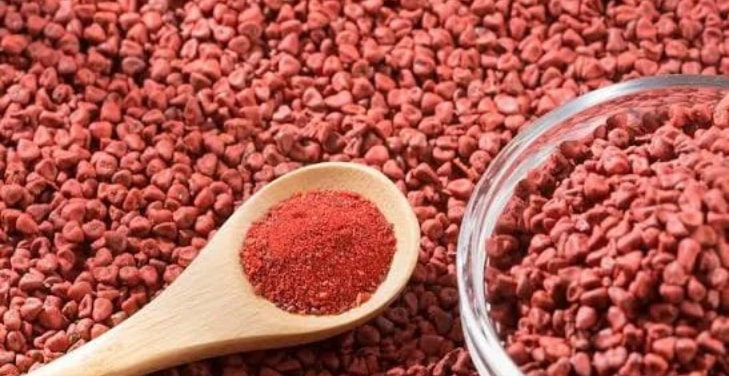
Annatto seeds and extracts provide natural carotenoid pigments used in foods and traditional preparations.
What Determines the Daily Amount of Annatto?
The daily amount of annatto consumed depends on the active ingredient, processing method, intended use, and individual physiological characteristics. These factors influence how much carotenoids the body absorbs and how it responds.
Natural Composition and Active Compounds
Annatto contains carotenoids, primarily bixin and norbixin. Pigment content varies by plant species, maturity, and extraction method. The concentration of the active ingredient determines the amount of carotenoids in each serving.
Product Form and Concentration
Annatto seeds, powder, infused oils, and concentrated extracts vary in active ingredient levels. Extracts often provide a concentrated pigment. The product form and the concentration of bixin or norbixin help determine the appropriate amount to consume.
Individual Health and Dietary Habits
Age, digestive status, allergies, and dietary habits affect annatto tolerance. Total daily food exposure, allergy history, and health conditions should all be considered when choosing portions.
Recommended Annatto Intake Per Day
The appropriate daily annatto intake depends on the product form, carotenoid content, and total food exposure. Food safety agencies use the Acceptable Daily Intake (ADI) to assess the safety of annatto pigments.
Acceptable Daily Intake (ADI)
According to EFSA (2016), the ADI for bixin is 6 mg/kg body weight/day, while the ADI for norbixin is 0.3 mg/kg body weight/day. These are two independent reference levels for each pigment in extracts that meet the evaluation criteria.
Daily Intake by Body Weight
For an adult weighing 60 kg, the corresponding ADI is 360 mg bixin/day or 18 mg norbixin/day. These values help assess exposure from food additives and control the total amount of pigment consumed each day.
Dietary Exposure and Practical Intake
Annatto in food typically provides pigment amounts that depend on the processing method and extraction concentration. The seeds, powders, and foods containing annatto should therefore be evaluated based on their actual active-ingredient content. The ADI levels above are not recommended daily intakes of annatto seeds.
How Much Annatto Seed Can You Consume Daily?
Annatto seeds are commonly used as a spice, natural food coloring, and in traditional dishes. The appropriate amount depends on how it's used, the carotenoid concentration, and individual tolerance. Currently, scientific evidence has not established a daily dose of pure annatto seeds.
Traditional Culinary Quantities
In cooking, about 1–2 teaspoons (2–4 g) of annatto seeds can color a batch of food. This amount is usually divided into multiple servings, helping to control consumption through diet.
Seed Preparations and Extracts
Annatto seeds can be soaked in oil, ground into powder, or boiled in water to extract the pigment. Each method produces different concentrations of bixin, directly affecting the amount of active ingredient in the serving.
Factors Influencing Seed Consumption
Plant variety, seed quality, bixin content, and frequency of use determine how much carotenoids are absorbed. Consumers should use spices in moderation, choose food products that meet quality standards, and monitor their digestive reactions.
How Much Annatto Powder Per Day?
Annatto powder provides natural carotenoids, especially bicin, which give food its characteristic orange-yellow color. The daily amount used depends on the fineness, pigment concentration, and intended use. Currently, science has not determined a specific daily dose for annatto powder.
Common Culinary Applications
In food processing, about 1/2–1 teaspoon (1–2 g) of annatto powder can color rice dishes, soups, sauces, and marinated meats. This amount helps supplement natural pigments in the diet.
Powder Concentration and Serving Sizes
The bicin content in the powder varies depending on grain quality, the grinding process, and the storage method. A teaspoon of powder from different sources may provide different amounts of carotenoids, so check the product ingredient information.
Practical Considerations for Daily Use
Adults should start with a small amount, about 1/2 teaspoon per day, then adjust according to cooking purposes and tolerance. Choosing pure, food-grade annatto powder helps ensure consistent quality.
How Much Annatto Extract Per Day?
Annatto extract contains concentrated carotenoids, primarily bixin and norbixin, with amounts varying by raw material and production method. The daily intake depends on the active ingredient concentration, the purpose of supplementation, and the manufacturer's instructions. Currently, scientific evidence has not established a standard annatto supplement dose for adults.
Bixin and Norbixin Concentrations
Bixin is commonly found in oil-soluble annatto seed extracts, while norbixin is usually found in alkaline extract preparations. These two carotenoids have distinct chemical properties and ADI levels, which affects consumption calculations.
Standardized and Non-Standardized Extracts
Standardized extracts provide specific information on the ratio of bixin or norbixin per serving. Non-standardized products may contain varying pigment levels, making it more important to determine the active ingredient amount.
Product-Specific Dosage Considerations
Adults should follow the dosage indicated on the product label and check the active ingredient content per tablet or milliliter. Use should take into account the total amount of annatto from food and supplements consumed daily.
Potential Benefits of Appropriate Annatto Intake
Annatto provides natural carotenoids, particularly bixin and norbixin, which contribute to the spice's biological activity. When consumed in appropriate amounts, annatto's plant compounds can support health through antioxidant activity and the regulation of several biological processes.
Antioxidant Activity and Cellular Protection
Bixin and norbixin exhibit antioxidant activity by neutralizing free radicals and limiting oxidative damage. This activity helps protect cell structures and maintain cell membrane stability.
Potential Anti-Inflammatory Effects
Several preclinical studies have noted that carotenoids in annatto can regulate inflammatory responses. These effects are related to the activity of inflammatory mediators and cell protection mechanisms.
Skin and Cardiovascular Health
Carotenoids help protect the skin from oxidative damage caused by environmental factors. Initial studies also suggest potential support for cardiovascular function and lipid metabolism. These benefits still require further clinical research in humans.
Risks of Consuming Too Much Annatto
Consuming large amounts of annatto, especially from concentrated extracts, may increase the risk of adverse reactions. The severity depends on the concentration of bixin and norbixin, the total amount consumed, and the individual's constitution.
Allergic Reactions and Hypersensitivity
Annatto can cause hypersensitivity reactions in individuals sensitive to its components. Common manifestations include itchy skin, hives, rash, and lip swelling. Severe cases may experience shortness of breath or anaphylaxis.
Digestive Discomfort
Consuming large amounts of annatto may cause gastrointestinal discomfort, including nausea, abdominal pain, and diarrhea. Symptom severity depends on the amount consumed and individual tolerance.
Risks of Concentrated Extracts
Annatto extract provides a concentrated amount of carotenoids, so total exposure to bixin or norbixin can increase rapidly when multiple products are used at the same time. Data on the effects of excessive long-term consumption are currently limited.
Who Needs to Be Careful With Daily Annatto Intake?
Annatto can be found in spices, processed foods, and carotenoid-containing supplements. Certain groups should be mindful of their daily intake because of their health characteristics, tolerance, and sensitivity to annatto components.
People with Annatto Allergies
Individuals with a history of annatto allergies should be especially cautious when choosing foods and spices. Reactions may include itching, hives, lip swelling, and difficulty breathing. Any signs of anaphylaxis require immediate medical attention.
Pregnant and Breastfeeding Individuals
Pregnant and breastfeeding women should consult a healthcare professional before using concentrated annatto extract. Data on the safety of high supplemental doses during these periods is limited.
Children and People with Health Conditions
Children, people with chronic illnesses, and people taking medication should pay attention to the total amount of annatto from their diet and supplements. A doctor can assess appropriate levels based on individual health conditions and allergy risks.
Tips for Using Annatto Safely Every Day
Using annatto correctly helps control carotenoid intake and maintain good tolerance. Choosing quality products, adjusting portion sizes, and monitoring your body's reaction are crucial for daily use.
Choose Food-Grade Annatto Products
Prioritize annatto seeds, powders, and extracts from reputable sources that meet food safety standards. Check bixin and norbixin levels, expiration dates, and storage instructions to ensure product quality.
Follow Recommended Dosage Instructions
Use annatto according to the manufacturer's instructions, especially for concentrated extracts and supplements. Calculating total carotenoid intake from multiple sources helps control daily exposure.
Monitor Individual Tolerance
Start with small portions, then adjust according to tolerance. Monitor for symptoms such as itching, hives, nausea, or abdominal pain. People with a history of allergies should consult a doctor before using this product.
Conclusion
Annatto provides natural carotenoids, particularly bisine and norbisine, with potential antioxidant and cellular health benefits. Appropriate consumption depends on the product form, concentration of active ingredients, and individual tolerance.
Using annatto in moderation, choosing food-grade products, and monitoring your body's reactions helps manage the risk of allergies and digestive disorders and ensures safe long-term use.
Frequently Asked Questions (FAQs)
- How Much Annatto Can You Consume Per Day? – The appropriate daily amount of annatto depends on its form, bixin or norbixin concentration, and individual tolerance. There is currently no established standard dosage for pure annatto seeds. Adults should use reasonable culinary amounts and follow product-specific guidance when consuming concentrated preparations.
- Is Annatto Safe for Daily Consumption? – Annatto is commonly used as a culinary spice and food coloring and is generally considered safe in customary food amounts. Individuals with a history of allergies or previous reactions to annatto should seek medical advice before regular use, particularly when considering concentrated extracts.
- How Much Annatto Powder Should You Take Daily? – Approximately ½ teaspoon of annatto powder, or about 1 g, may serve as a culinary reference amount. The appropriate quantity depends on pigment concentration, product composition, intended use, and individual tolerance. This amount is not an established therapeutic dosage.
- Can Annatto Extract Be Taken Every Day? – Annatto extract contains bixin and norbixin in concentrations that vary by product. Before regular use, check the active ingredient content, follow the manufacturer's instructions, and consider total carotenoid intake from foods and supplements. Consult a healthcare professional when using concentrated extracts long term.
- What Are the Side Effects of Too Much Annatto? – Excessive annatto consumption may cause itching, hives, nausea, abdominal pain, and diarrhea. Sensitive individuals may experience serious allergic reactions, including respiratory symptoms, throat swelling, or anaphylaxis, which requires immediate emergency medical attention.
