
Angelica is gaining attention for plant compounds that may support digestion and overall health. However, daily dosage is crucial to controlling this herb's effectiveness and safety.
Dried roots, angelica tea, and supplements have varying concentrations of active ingredients. So, how much angelica should you consume daily to maintain appropriate intake and minimize side effects?
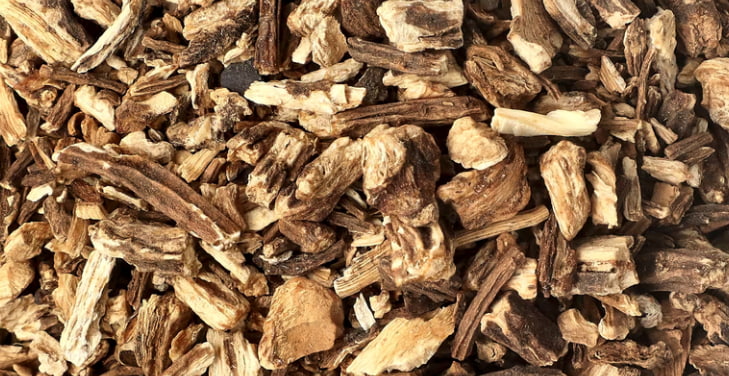
Angelica root is used in herbal preparations, with daily intake depending on species, formulation, and concentration.
What Is Angelica?
Angelica is the common name for a group of plants in the genus Angelica, family Apiaceae, known for their distinctive aroma and long history of use in traditional medicine. Species in this genus contain essential oils, coumarins, furanocoumarins, and many bioactive plant compounds. The roots are often the main ingredient in herbal preparations.
Botanical Overview
Angelica archangelica is common in Europe and some areas of North Asia. The plant grows into a tall stem with large compound leaves and small white or pale green flowers, growing in characteristic inflorescences. The roots contain many aromatic compounds, contributing to its traditional medicinal value.
European and Chinese Angelica
European angelica (Angelica archangelica) is often found in digestive aid preparations. Chinese angelica (Angelica sinensis), also known as Angelica sinensis, has a long history of use in traditional Chinese medicine, especially in remedies related to women's health.
Common Forms of Angelica
Angelica comes in many forms, including dried root, root powder, herbal tea, liquid extract, capsules, and essential oil. Each form has its own characteristics in composition, concentration, and use. These factors matter when determining daily intake and assessing safety.
Is There a Recommended Daily Dose of Angelica?
The daily dosage of angelica depends on the plant species, the part used, the formulation, and the purpose of the health care. Current clinical data remain limited, so determine the appropriate amount based on the preparation's characteristics and professional guidance.
Current Clinical Dosage Research
Clinical studies on angelica have not established a uniform daily dosage for all subjects. Existing data focus on chemical composition, biological activity, and some traditional applications.
Traditional Use and Dosage Guidance
Traditional medicine uses angelica root in preparations to aid digestion and women's health. Dosages vary by formulation, duration of use, and preparation experience. These applications provide a reference basis for dosage research.
Why Species and Concentration Matter
Angelica archangelica and Angelica sinensis possess distinct chemical compositions and intended uses. Dried roots, powders, teas, tinctures, and extracts also have different concentrations of active ingredients. Therefore, base dosage on the scientific name, extraction ratio, and the manufacturer's instructions.
How Much Angelica Root Per Day?
The amount of angelica root used daily depends on the species, dryness, grinding method, and extraction method. For Angelica archangelica, dried root is commonly used in herbal preparations to aid digestion. Base reference doses on the dosage form and professional guidance.
Traditional Daily Amounts
For Angelica archangelica, herbal literature suggests a traditional daily dose of approximately 3–6 g of dried root, divided into several doses. Each dose typically uses about 1–2 g, depending on the preparation method.
For Angelica sinensis (Angelica sinensis), pharmacopeias and traditional medicine literature suggest a daily dose of about 6–12 g of dried root as a decoction.
Dried Root and Powder Measurements
You can slice dried angelica root, grind it into powder, or decoct it with water. Weigh the raw material accurately with a precision scale to control the amount used. Root powder should also follow the specific instructions for each preparation.
Factors Affecting Daily Intake
Plant species, moisture content, extraction rate, and health condition all affect the appropriate amount of angelica. Adults should consult a healthcare professional before regular use, especially if taking anticoagulants or planning to become pregnant.
How Much Angelica Tea Per Day?
The daily amount of angelica tea depends on the species, the amount of dried root, and the brewing time. For Angelica archangelica, the traditional method uses about 1.5g of dried root per cup, drunk 2–3 times a day. The total amount of root is about 3–4.5g/day.
Preparing Angelica Root Tea
Use 1.5g of sliced dried angelica root, add 150ml of boiling water, and steep for 10–15 minutes. Strain before drinking to obtain a tea with its characteristic aroma.
Daily Consumption Frequency
Adults can drink 2–3 cups per day, each cup containing about 150ml of water and 1.5g of dried root. This dosage corresponds to 3–4.5g of material/day.
Safety Considerations
Furanocoumarin in angelica may increase skin sensitivity to ultraviolet rays. Users should take precautions to protect their skin from sunlight. Pregnant women and those taking blood thinners should consult a healthcare professional before drinking this tea.
Angelica Extract and Supplement Dosage
Angelica extract and supplements come in various formulations, including tinctures, liquid extracts, powder extracts, and capsules. Dosage depends on the plant species, extraction solvent, and equivalent drug ratio.
Liquid Extracts and Tinctures
For Angelica archangelica, monographs indicate a 1:1 liquid extract of approximately 1.5–3 ml/day and a 1:5 tincture of approximately 1.5 ml/day.
Capsules and Dry Extracts
Dry ethanol extracts may correspond to 0.5–4 g of dry root per day. A 15–17:1 aqueous dry extract has a reference dose of 90–180 mg/day.
Understanding Supplement Labels
Users should check the scientific name, extraction ratio (DER), content per capsule, and manufacturer's instructions. These parameters help determine the amount of active ingredient and equivalent drug in each serving.
Factors That Influence Daily Angelica Intake
Several factors related to the plant's medicinal properties, active ingredient concentration, and individual health status influence the appropriate daily dose of angelica. Determining the appropriate dose requires considering these factors simultaneously to control efficacy and the risk of side effects.
Botanical Species and Plant Parts
The plant species determines the chemical composition and properties. Angelica archangelica, Angelica sinensis, and Angelica dahurica have distinct active ingredient profiles. Roots, stems, leaves, and seeds also contain varying amounts of essential oils, coumarins, and furanocoumarins.
Age and Individual Sensitivity
Age, weight, metabolic capacity, and individual sensitivity affect the body's tolerance to angelica. Healthcare professionals should assess children, the elderly, and people with underlying medical conditions before use.
Health Conditions and Medication Use
Pregnancy, breastfeeding, blood clotting disorders, and photosensitivity all affect the decision to use this medication. Patients taking warfarin or other anticoagulants should be advised about potential interactions.
Overall Supplement Intake
Consider total daily intake of herbs and supplements. Products containing similar ingredients may increase exposure to certain active compounds, especially when multiple extracts are used at the same time.
Potential Benefits of Angelica at Traditional Intake Levels
Angelica contains numerous bioactive plant compounds, including coumarins, phthalides, polysaccharides, flavonoids, and essential oils. In its traditional use, this herb is associated with several applications supporting digestion, circulation, and women's health. Researchers are currently studying potential benefits through biological activity and experimental data.
Traditional Digestive Health Applications
Angelica archangelica root has a history of use in preparations that aid digestion, stimulate appetite, and reduce bloating. Essential oils and coumarin compounds contribute to the bioactivity related to gastrointestinal function.
Aromatic Compounds and Biological Activity
Phthalates, ferulic acid, and polysaccharides in Angelica sinensis are attracting attention due to their ability to regulate inflammatory responses, oxidative stress, and several immune processes.
Antioxidant and Anti-Inflammatory Research
Laboratory and animal studies have shown the antioxidant and anti-inflammatory potential of several Angelica extracts. These activities are related to the regulation of inflammatory mediators and oxidative balance in cells. Clinical evidence in humans remains limited, so further research is needed to determine the real-world effectiveness of these benefits.
Side Effects of Excessive Angelica Intake
Using angelica in large amounts or for long periods may increase the risk of adverse reactions because the body is exposed to high concentrations of coumarin, furanocoumarin, and other active compounds. The degree of impact depends on the plant species, the form of extract, and individual tolerance.
Digestive Discomfort and Allergic Reactions
Consuming too much angelica can cause nausea, vomiting, abdominal pain, diarrhea, and dizziness. Some people may also experience allergic reactions, dermatitis, or irritation upon direct contact with the sap and fresh material.
Photosensitivity and Skin Reactions
Furanocoumarins such as bergapten and psoralen can increase skin sensitivity to ultraviolet radiation. Upon sun exposure, users may experience redness, itching, dermatitis, or sunburn-like reactions.
Risks from Concentrated Extracts and Overdose
Concentrated extracts and essential oils contain active compounds at high concentrations. Severe overdoses can cause neurological disorders, seizures, respiratory distress, and cardiovascular problems. Follow the dosage instructions on the product label and seek medical attention if poisoning symptoms occur.
Who Should Avoid Angelica or Seek Medical Advice?
Angelica contains bioactive compounds that may affect endocrine function, blood clotting, and the skin's reaction to light. Certain groups should assess the risks carefully before using angelica tea, dried roots, or supplements.
Pregnancy and Breastfeeding
Pregnant women should avoid using angelica, especially Angelica sinensis, due to concerns about uterine effects and pregnancy risks. Breastfeeding women should consult a doctor as safety data is limited.
People Taking Blood-Thinning Medications
People taking warfarin, heparin, aspirin, or antiplatelet medications should seek medical advice. Angelica sinensis may affect blood clotting, increasing the risk of bruising and bleeding.
People with Photosensitivity or Medical Conditions
People with photosensitivity, bleeding disorders, menorrhagia, or estrogen sensitivity should exercise caution. The furanocoumarins in angelica may increase skin reactions to ultraviolet light.
People Preparing for Surgery
People preparing for surgery should tell their doctor about angelica and related supplements. The doctor will assess bleeding risk and advise when to stop using it.
Conclusion
Angelica contains many plant compounds that may support digestion and overall health. The daily recommended intake depends on the plant species, formulation, and extract concentration.
Dried roots, herbal teas, and capsules all require adherence to appropriate dosage guidelines. Pregnant women, breastfeeding mothers, or those taking anticoagulants should consult their doctor to manage potential interactions and ensure safety when supplementing with angelica.
Frequently Asked Questions (FAQs)
- How Much Angelica Can You Take Per Day? – The daily amount of Angelica depends on the species, preparation, and intended use. Traditional reference amounts for dried Angelica archangelica root are approximately 3–6 g per day, while Angelica sinensis is traditionally used at 6–12 g per day. These amounts are not universal recommendations, and professional guidance is advisable before medicinal use.
- How Many Cups of Angelica Tea Can You Drink Daily? – Traditional preparations may use approximately 1.5 g of dried Angelica root per 150 ml cup of water. The appropriate number of cups depends on the Angelica species, total daily amount, and individual health factors. Consult a healthcare professional before drinking it regularly.
- Is Angelica Safe to Take Every Day? – Angelica has a history of use in traditional herbal preparations, but the safety of long-term daily use depends on the species, dosage, duration, health conditions, and medication interactions. Concentrated extracts require particular caution, and regular use should be discussed with a healthcare professional.
- What Happens If You Take Too Much Angelica? – Excessive Angelica consumption may cause nausea, abdominal pain, diarrhea, dizziness, and allergic reactions. Furanocoumarins in certain species can also increase photosensitivity, potentially causing redness, irritation, or inflammation after ultraviolet exposure.
- Who Should Avoid Taking Angelica Supplements? – Pregnant or breastfeeding individuals, people taking anticoagulant medications, and those with photosensitivity should seek medical advice before using Angelica supplements. Reviewing possible drug interactions and individual risk factors helps reduce the likelihood of bleeding and other adverse reactions.
