
Angelica has long held a significant place in traditional medicine due to its essential oil content, coumarin, and numerous bioactive plant compounds. However, these familiar herbal applications also carry noteworthy safety concerns.
Photosensitivity, skin irritation, allergic reactions, and drug interactions raise many questions about the safety of Angelica. These risks require thorough investigation before use.
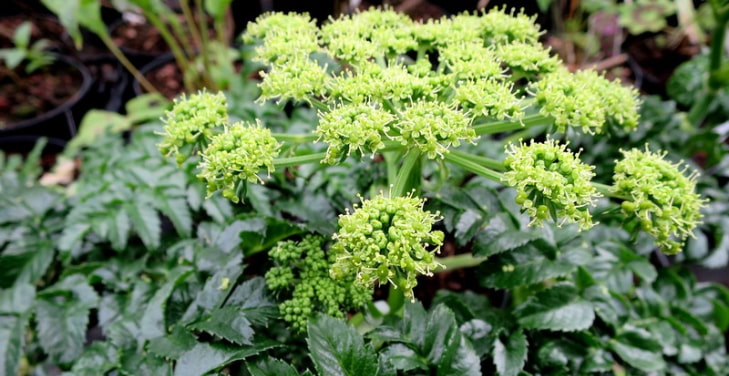
Angelica contains bioactive compounds that may cause photosensitivity, irritation, and other adverse effects in susceptible individuals.
What Is Angelica?
Angelica is the common name for a group of plants belonging to the genus Angelica, family Apiaceae, widely used in traditional medicine and herbal preparations. Angelica archangelica is the most common species and contains essential oils, coumarins, furanocoumarins, and flavonoids. These compounds contribute to the plant's biological activity and are also linked to health risks.
Botanical Characteristics of Angelica
Angelica archangelica is a biennial herbaceous plant with a hollow stem, large compound leaves, and small, bluish-white flower clusters. The roots, stems, leaves, and seeds all contain valuable plant compounds used in herbal medicine.
Common Angelica Species
Common species include Angelica archangelica (European Angelica), Angelica sinensis (Chinese Angelica), and Angelica gigas (Korean Angelica). Each species possesses its own chemical composition and biological characteristics.
Plant Parts and Bioactive Compounds
Herbal preparations, foods, and fragrances use Angelica root, leaves, seeds, and essential oil. Components such as furanocoumarin, coumarin, and terpenes contribute to the plant's bioactivity, but are also associated with the risk of skin irritation and photosensitivity.
Common Side Effects of Angelica
Angelica contains many bioactive compounds that can affect the digestive system, skin, and immune response. Side-effect severity depends on the plant species, dosage, extract form, and individual sensitivities. Concentrated preparations may increase the risk of adverse reactions.
Digestive Discomfort and Stomach Irritation
Some people using Angelica may experience nausea, bloating, epigastric discomfort, and gastrointestinal irritation. The plant's essential oils and aromatic compounds can affect digestion, especially at high doses.
Allergic Reactions and Individual Sensitivity
Angelica belongs to the Apiaceae family, a group of plants that can cause allergic reactions in sensitive individuals. Common symptoms include itching, rashes, and skin swelling. Severe reactions can cause difficulty breathing or angioedema and require medical attention.
Skin Irritation and Contact Reactions
Direct contact with Angelica sap, leaves, or essential oils can irritate the skin. Furanocoumarins in some species are also associated with photodermatitis, which can cause redness, burning, and blistering after ultraviolet exposure.
Angelica and Photosensitivity
Angelica contains plant compounds that can increase skin sensitivity to ultraviolet (UV) radiation. This reaction is mainly related to the furanocoumarin group, especially in preparations with high concentrations of active ingredients. Users should pay attention to sun exposure time and skin condition while using the herbal remedy.
Furanocoumarins and Biological Activity
Furanocoumarins are a group of natural compounds found in some Angelica species. When exposed to UVA rays, these molecules can interact with DNA in skin cells, triggering cell damage and inflammatory responses.
Increased Skin Sensitivity to UV Radiation
Furanocoumarin active ingredients can increase the risk of photosensitivity, especially when using essential oils or concentrated extracts. UVA rays from sunlight and tanning beds can trigger phototoxic reactions.
Signs of Phototoxic Reactions
Phototoxic reactions typically cause redness, burning, itching, and blisters or vesicles. Areas of skin directly exposed to sunlight are usually noticeably affected. Severe cases may leave behind post-inflammatory hyperpigmentation.
Angelica Essential Oil Toxicity Concerns
Angelica essential oil contains many volatile aromatic compounds, including monoterpenes, sesquiterpenes, and other bioactive components. High concentrations of these compounds can cause skin irritation, phototoxic reactions, and health problems when used improperly. Risk depends on the essential oil's composition, the dose, and the route of administration.
Concentrated Aromatic Compounds
Angelica essential oil has a high content of volatile compounds, giving it strong bioactive properties. Some components, such as α-pinene, limonene, and β-phellandrene, may irritate sensitive individuals.
Skin Irritation from Undiluted Oil
Applying undiluted essential oil directly to the skin can cause redness, itching, burning, and contact dermatitis. Furanocoumarins in some preparations also increase the risk of phototoxic reactions when the skin is exposed to UVA rays.
Accidental Ingestion and Safe Handling
Swallowing angelica essential oil can cause nausea, abdominal pain, and gastrointestinal irritation. Large doses increase the risk of poisoning. Store the product in a tightly sealed bottle, keep it out of reach of children, and follow professional instructions.
Angelica and Medication Interactions
Angelica contains coumarin, furanocoumarin, and various bioactive compounds that can affect blood clotting, drug metabolism, and the body's response to ultraviolet radiation. These properties raise important considerations when combining the herb with medications, especially for people taking multiple medications at the same time.
Anticoagulant Medication Concerns
Angelica may increase the risk of bleeding when combined with anticoagulants or antiplatelet drugs. Individuals taking warfarin, apixaban, rivaroxaban, or aspirin should have their risk of interaction assessed by a healthcare professional before supplementing with this herb.
Photosensitizing Medication Interactions
The furanocoumarins in Angelica may increase photosensitivity reactions when combined with certain UV-sensitizing medications, such as doxycycline and some diuretics. This combination increases the risk of skin redness, sunburn, and phototoxic dermatitis.
Medication Review and Safety Precautions
Individuals with chronic illnesses or those taking multiple medications should consult with their doctor or pharmacist before using Angelica. Reviewing the ingredients, dosage, and timing of use helps identify potential interactions, minimize complications, and ensure safe treatment.
Angelica During Pregnancy and Breastfeeding
Angelica is used in several traditional medicine systems to support women's health and regulate menstruation. However, the plant's active compounds may affect physiological function and reproductive health. Pregnant and breastfeeding women should exercise particular caution when using this herb.
Reproductive Safety Concerns
Some Angelica species contain coumarin, furanocoumarin, and essential oils with biological activity. These components raise concerns about their effects on the uterus and pregnancy. Pregnant women should avoid self-medicating with Angelica preparations.
Limited Clinical Evidence During Pregnancy
Clinical studies on the safety of Angelica during pregnancy are currently limited. Data on effects on fetal development, risk of uterine contractions, and reproductive toxicity are incomplete. Use requires professional evaluation.
Precautions While Breastfeeding
Information on whether Angelica's active ingredients can pass into breast milk and affect infants is limited. Breastfeeding women should consult their doctor before using Angelica herbal tea, capsules, or essential oil.
Who Faces a Higher Risk of Angelica Side Effects?
Angelica safety depends on individual health conditions, sensitivity, dosage, and formulation. Some groups are at higher risk of adverse reactions due to physiological characteristics, underlying medical conditions, or potential drug interactions.
People with Sensitive Skin or Photosensitivity
People with sensitive skin, a history of contact dermatitis, or phototoxic reactions should use Angelica with caution. Furanocoumarin in the plant may increase sensitivity to UVA rays, causing redness, burning, and blistering.
Individuals with Existing Medical Conditions
Individuals with blood clotting disorders, liver disease, or allergic conditions should have their health assessed before use. These factors may affect tolerance and the risk of side effects.
People Taking Medications and Vulnerable Age Groups
People taking anticoagulants, photosensitizing drugs, children, and the elderly need to exercise particular caution. Consulting a doctor helps assess interaction risk, choose appropriate medications, and minimize adverse reactions.
Risks of Excessive Angelica Consumption
Using Angelica in high doses may increase the risk of side effects due to the body receiving too much of the bioactive compound. The degree of impact depends on the plant species, extract concentration, duration of use, and individual tolerance.
Potential Effects of High-Dose Preparations
Consuming too much Angelica may cause nausea, abdominal pain, gastrointestinal irritation, and allergic reactions. High furanocoumarin content also increases the risk of photosensitivity, dermatitis, and skin damage from UVA exposure.
Traditional Doses and Concentrated Extracts
Herbal teas, root powders, capsules, and concentrated extracts provide varying amounts of active ingredients. Essential oils contain volatile compounds at high concentrations, so dosage and route of administration must be carefully controlled.
Long-Term Use and Combined Products
Prolonged use of Angelica or combining multiple preparations simultaneously may increase the total amount of active ingredients received. Long-term safety data is limited, so users should follow expert guidance and monitor for adverse reactions.
How to Reduce Angelica-Related Health Risks?
Safe use of Angelica requires attention to botanical origin, product quality, dosage, and individual health conditions. Appropriate precautions help reduce the risk of irritation, photosensitivity, allergies, and drug interactions during use.
Choose Properly Identified Botanical Products
Prioritize products that clearly state the scientific name, plant part, origin, and active ingredient content. Accurately identifying the Angelica species helps avoid confusion between preparations with different chemical compositions and safety characteristics.
Follow Dosage and Sun Exposure Precautions
Follow the manufacturer's and healthcare professional's dosage instructions. Avoid applying undiluted essential oils directly to the skin. Limit UVA exposure; use sunscreen and protective clothing when using products containing furanocoumarin.
Recognize Adverse Reactions and Seek Medical Advice
Monitor for symptoms such as itching, rash, nausea, redness, and blistering. Discontinue use if adverse reactions occur and contact a healthcare professional. Seek immediate medical attention for difficulty breathing or swelling of the lips and tongue.
Conclusion
Angelica provides many bioactive plant compounds, but also carries potential health risks that need attention. Notable side effects include gastrointestinal irritation, allergic reactions, phototoxic dermatitis, and drug interactions.
Choosing products from reputable sources, controlling dosage, and consulting with a healthcare professional helps minimize risks. Pregnant women, people with chronic diseases, and those using long-term medications should exercise particular caution.
Frequently Asked Questions (FAQs)
- What Are the Common Side Effects of Angelica? – Angelica may cause nausea, abdominal pain, bloating, skin irritation, and allergic reactions. The severity of these effects depends on the dosage, preparation, active compound concentration, and individual sensitivity.
- Can Angelica Cause Photosensitivity? – Yes. Furanocoumarins in certain Angelica species may interact with UVA radiation and increase the risk of phototoxic skin reactions. Symptoms can include redness, burning, blistering, and post-inflammatory hyperpigmentation in sun-exposed areas.
- Does Angelica Interact With Blood Thinners? – Angelica may affect bleeding risk when used with anticoagulant or antiplatelet medications, although the clinical evidence is limited. People taking warfarin, apixaban, aspirin, or similar medications should consult a healthcare professional before using Angelica supplements.
- Is Angelica Safe During Pregnancy? – The safety of Angelica during pregnancy has not been adequately established. Potential effects of its active compounds on reproductive health and fetal development remain uncertain, so pregnant individuals should avoid medicinal use unless specifically advised by a healthcare professional.
- Can Angelica Essential Oil Be Toxic? – Angelica essential oil contains concentrated aromatic compounds that may cause skin irritation and phototoxic reactions. Ingestion can lead to poisoning, so the oil should be kept away from children, used according to qualified professional guidance, and never swallowed unless specifically prescribed.
