
Allspice offers a unique appeal thanks to its warm, spicy aroma, subtle sweetness, and rich, bioactive plant compounds. This spice, originating from the Caribbean, has long been associated with culinary culture and traditional health practices.
Hidden within its small, brown berries are eugenol, flavonoids, and numerous noteworthy polyphenols. Exploring the nutritional composition, health benefits, uses, and safety risks of allspice will help readers better understand this spice's value.
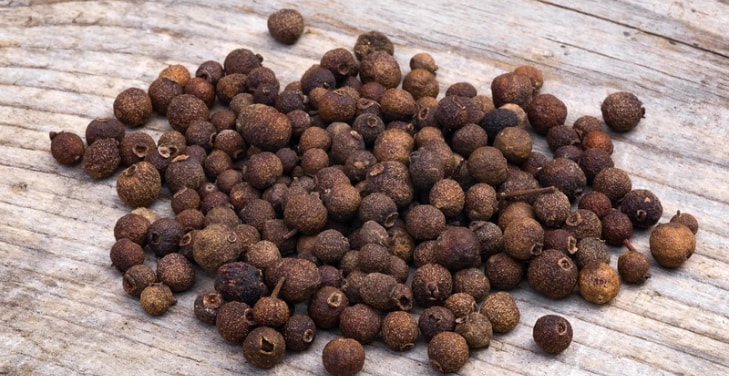
Allspice is an aromatic spice containing plant compounds traditionally used in cooking and explored for potential health benefits.
What Is Allspice?
Allspice is an aromatic spice made from the dried fruit of the Pimenta dioica tree, which belongs to the Myrtaceae family. This tree grows primarily in the Caribbean, Central America, and some warm tropical regions. Allspice possesses a distinctive aroma, a warm, spicy flavor, and essential oils containing many bioactive plant compounds. In culinary and herbal research, this spice attracts attention due to its aromatic properties and potential health benefits.
Botanical Name and Origin
Pimenta dioica is the scientific name of the allspice tree, an evergreen tree native to the Caribbean and Central America. Jamaica is known for cultivating and producing high-quality allspice.
Appearance, Aroma, and Flavor
Allspice fruit is small and spherical, about 4–7 mm in diameter, and turns brown when dried. The aroma evokes a blend of cloves, cinnamon, nutmeg, and black pepper, creating a characteristic warm, sweet, spicy flavor.
Common Names and Growing Regions
Allspice is also known as Jamaican pepper, pimento, or pimento berry. The plant thrives in Jamaica, Mexico, Guatemala, and Honduras, where tropical conditions support growth and the formation of aromatic essential oils in the fruit.
Allspice Nutrition Facts
Allspice provides many valuable nutrients, including carbohydrates, fiber, small amounts of protein, and essential micronutrients. This spice's nutritional profile highlights manganese, calcium, iron, and antioxidant plant compounds. Nutrient content varies depending on whether it's whole grain or ground, and the serving size. In a diet, allspice contributes to micronutrient intake through small amounts used in daily meals.
Calories and Macronutrients
According to nutritional data for ground allspice, 100g provides about 263 kcal, 72g carbohydrates, 21.6g fiber, 6.1g protein, and 8.7g fat. One teaspoon (about 2g) provides very low energy, consistent with typical spice use.
Vitamins and Minerals
Allspice contains manganese, calcium, iron, potassium, and magnesium. Manganese supports metabolic enzyme activity, while calcium supports bone and tooth structure. Iron contributes to oxygen transport through hemoglobin.
Nutritional Contribution of Culinary Servings
A small amount of allspice can add fiber and micronutrients to the diet. Actual nutritional value depends on the amount used, how often you prepare it, and the composition of the whole dish.
Active Compounds Found in Allspice
Allspice contains many bioactive plant compounds, mainly concentrated in the fruit's essential oil and polyphenol components. These compounds contribute to its warm, spicy aroma and attract research interest for their antioxidant, antimicrobial, and inflammatory-modulation capabilities. Growing conditions, fruit maturity, and extraction methods influence the chemical composition of allspice.
Eugenol and Its Biological Properties
Eugenol is a prominent phenolic compound in allspice essential oil, giving it the characteristic clove aroma. This compound shows antioxidant, antimicrobial, and anti-inflammatory potential through various biological mechanisms.
Flavonoids and Polyphenols
Allspice contains flavonoids and polyphenols that can neutralize free radicals. These compounds help protect cells from oxidative stress and support biological balance.
Volatile Oils and Antioxidants
Allspice essential oil contains eugenol, methyl eugenol, cineole, and other aromatic compounds. These volatile components create the characteristic flavor and contribute to the spice's antioxidant activity.
Potential Health Benefits of Allspice
Allspice contains many bioactive plant compounds, particularly eugenol, flavonoids, and polyphenols. These components have attracted researchers' attention because of their antioxidant properties, ability to regulate inflammatory responses, and inhibition of certain microorganisms' growth. Laboratory studies have provided initial data on the biological potential of allspice, opening up many avenues of investigation related to human health.
Antioxidant Activity and Cellular Protection
The polyphenols and eugenol in allspice exhibit antioxidant activity by neutralizing free radicals. This mechanism helps limit oxidative stress, protect cell structures, and maintain normal metabolic activity.
Anti-Inflammatory Properties
Eugenol and some phenolic compounds may regulate inflammatory mediators. Preclinical findings suggest that allspice may affect several signaling pathways involved in inflammatory responses.
Antimicrobial and Digestive Benefits
Allspice essential oil has shown antimicrobial and antifungal activity in experimental studies. Additionally, folk medicine uses this spice to aid digestion, reduce bloating, and alleviate gastrointestinal discomfort.
Traditional Uses of Allspice
Allspice holds a significant place in many cultures because of its distinctive aroma and long-standing use in folk health care. People in the Caribbean and Central America use allspice in herbal remedies, infusions, and traditional body care methods. These uses are largely rooted in folk experience, the fruit's warm aroma, and its plant compounds.
Historical Herbal Applications
In Caribbean folk medicine, allspice is often used in health care methods because of its spicy aroma and eugenol content. People use this spice in herbal preparations for daily life.
Digestive and Aromatic Preparations
People often brew allspice into tea or combine it with other herbs to aid digestion, reduce bloating, and soothe abdominal discomfort. The fruit's warm aroma also contributes to a relaxing feeling.
Traditional Topical and Cultural Uses
Some communities use allspice in massage oils and body care preparations. In Jamaica and many Caribbean regions, this spice also plays a distinctive role in traditional cuisine, beverages, and spice recipes.
Common Culinary Uses of Allspice
Allspice is a versatile spice in cooking thanks to its warm, spicy aroma, subtle sweetness, and notes reminiscent of cloves, cinnamon, and nutmeg. This spice is featured in many recipes for meat, seafood, vegetables, pastries, and beverages. Its natural essential oils add depth of flavor and contribute to the distinctive character of traditional dishes in the Caribbean, Europe, and the Middle East.
Meat, Seafood, and Vegetable Dishes
Allspice is commonly used to marinate beef, pork, chicken, and seafood. It also adds aroma to stews, soups, roasted vegetables, and Jamaican-style grilled meat recipes.
Baking, Desserts, and Beverages
In baking, allspice contributes flavor to cookies, gingerbread, pumpkin pie, and fruit pies. It also appears in herbal teas, spiced liqueurs, and winter drinks.
Whole Berries and Ground Allspice
Whole allspice works well in stews, broths, and marinades. Ground allspice offers convenience for baking, blending spices, and everyday cooking.
Allspice Essential Oil and Extracts
Allspice provides valuable raw materials for the food, cosmetics, and fragrance industries, including essential oils, extracts, and concentrated extracts. These preparations contain aromatic compounds such as eugenol, methyl eugenol, and terpenoid components, contributing to its characteristic biological properties and warm, spicy aroma. The concentration of active ingredients varies by raw material and extraction method.
Main Components of Allspice Essential Oil
Allspice essential oil typically contains a significant amount of eugenol, along with other aromatic compounds such as cineole and caryophyllene. These components contribute to the characteristic clove aroma and have shown potential antioxidant and antimicrobial properties in experimental studies.
Common Applications and Product Forms
Allspice essential oil is used in perfumes, cosmetics, fragrances, and some food products. Allspice extract is also found in fragrance preparations and botanical research.
Concentration and Quality Considerations
Product quality depends on purity, raw-material origin, extraction method, and storage conditions. Essential oils have a high concentration of active ingredients, so follow dosage and usage instructions to minimize the risk of irritation.
Allspice Side Effects and Potential Risks
Allspice contains eugenol and many other bioactive aromatic compounds that contribute to its characteristic flavor and some physiological effects. Using the spice in large quantities, especially as essential oils or concentrated extracts, can increase the risk of adverse reactions. The severity depends on dosage, product form, and individual sensitivity.
Allergic Reactions and Individual Sensitivity
Some sensitive individuals may react to allspice components. Common symptoms include itchy mouth, rash, hives, and swollen lips. Severe cases can lead to systemic allergic reactions.
Digestive Irritation
Consuming large amounts of allspice can cause gastrointestinal irritation, leading to abdominal pain, nausea, or stomach discomfort. Eugenol and other essential oil compounds contribute to these reactions at high doses.
Essential Oil Toxicity and Safety Concerns
Allspice essential oil has a high concentration of active ingredients, especially eugenol, and can cause skin irritation, contact dermatitis, and tissue damage if used improperly. Concentrated preparations also pose a potential toxicity risk if swallowed in large quantities.
How to Use Allspice Safely
Using allspice correctly helps to take advantage of its flavor and beneficial plant compounds while controlling the risk of irritation or adverse reactions. Safety levels depend on the product form, consumption amount, and individual health conditions. Users should prioritize allspice in food preparation, check the source of the ingredients, and follow instructions when using concentrated preparations.
Appropriate Culinary Quantities
Allspice is typically used in small amounts, about ¼–½ teaspoon, in recipes. This amount creates a distinctive aroma and adds a small amount of plant compounds to the diet.
Storage and Product Quality
Store whole and ground allspice in an airtight container in a cool, dry place away from direct sunlight. Products from reputable sources help maintain quality and minimize the risk of contamination.
Essential Oil and Concentrated Extract Precautions
Dilute allspice essential oil according to professional instructions before topical use. Avoid ingesting undiluted essential oil because it can cause irritation and toxicity. Pregnant women, breastfeeding mothers, and those taking medication should consult a healthcare professional before using concentrated preparations.
Conclusion
Allspice is a spice rich in plant compounds, notably eugenol, flavonoids, and polyphenols. Its nutritional composition, along with its antioxidant, antimicrobial, and potential inflammatory modulation properties, makes it a noteworthy spice.
Using allspice in appropriate amounts can enhance the flavor of your diet. However, users should be aware of the risk of allergies, digestive irritation, and toxicity from the concentrated essential oil to ensure their health and safety.
Frequently Asked Questions (FAQs)
- What Is Allspice Made From? – Allspice comes from the dried fruit of the Pimenta dioica tree, which belongs to the Myrtaceae family. The fruit is small, spherical, and brown, and contains aromatic essential oils and plant compounds such as eugenol, flavonoids, and polyphenols.
- What Are the Main Health Benefits of Allspice? – Allspice contains compounds with potential antioxidant, antimicrobial, and inflammation-modulating properties. These effects have primarily been demonstrated in experimental studies, providing an initial scientific basis for investigating its potential health benefits.
- How Much Allspice Can You Consume Daily? – Allspice is typically used in small amounts during food preparation, approximately ¼–½ teaspoon per serving. The appropriate amount depends on the recipe, individual tolerance, and health conditions. Concentrated extracts and essential oils require additional caution.
- What Are the Side Effects of Allspice? – Consuming large amounts of allspice may cause stomach pain, nausea, and digestive irritation. Some people may experience allergic reactions, including itching, hives, or lip swelling. Concentrated allspice essential oil may also cause irritation or toxicity if used improperly.
- Is Allspice Essential Oil Safe to Use? – Allspice essential oil contains concentrated eugenol, which may cause skin irritation and allergic reactions. Dilute it according to qualified professional guidance, avoid ingestion unless specifically directed by a healthcare professional, and use concentrated preparations cautiously.
