
Alfalfa contains essential nutrients and bioactive plant compounds that support overall health. This legume provides vitamin K, vitamin C, plant protein, and notable antioxidants.
From fresh sprouts to dried leaves and supplement capsules, alfalfa offers many uses in daily nutrition. Understanding its potential benefits, nutritional composition, and safety risks helps users choose what best suits their health needs.
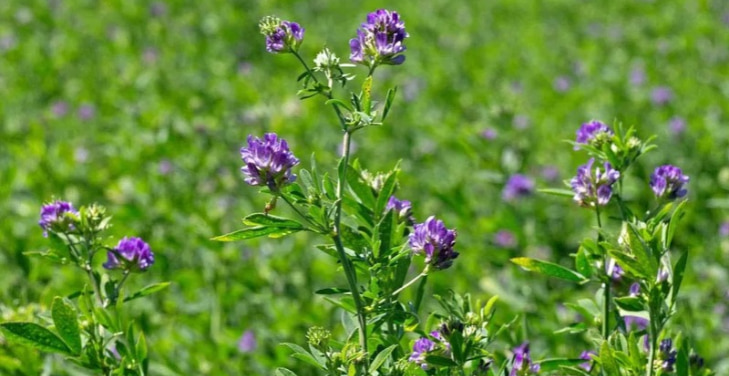
Alfalfa is a nutrient-rich legume used in foods and supplements for its vitamins, minerals, and plant compounds.
What Is Alfalfa?
Alfalfa is a nutrient-rich legume widely used in agriculture, food, and nutritional supplements. It contains many valuable plant compounds that support dietary diversity and herbal applications.
Botanical Name and Common Varieties
Alfalfa, scientifically known as Medicago sativa, belongs to the Fabaceae family. It grows as a shrub with branched stems, compound leaves consisting of three leaflets, and small flowers with characteristic purple or bluish-purple hues.
Alfalfa as a Forage Crop and Edible Plant
Alfalfa provides a high-protein feed source for livestock because it grows quickly and has high nutritional value. People also use young alfalfa leaves and sprouts in food, especially salads and sandwiches.
Traditional Uses in Food and Herbal Preparations
Traditionally, alfalfa appears as sprouts, dried leaves, herbal teas, and nutritional powders. Its vitamins, minerals, and plant compounds make it attractive in nutrition and healthcare.
Alfalfa Nutrition Facts
Alfalfa provides many essential nutrients, including vitamins, minerals, plant protein, and fiber. The nutritional value of this legume depends on the part used, maturity, and preparation method.
Vitamins and Minerals
Alfalfa leaves contain vitamin K, vitamin C, folate, and minerals such as calcium, potassium, magnesium, and iron. These micronutrients support blood clotting, energy metabolism, bone health, and normal immune function.
Protein, Fiber, and Other Nutrients
Alfalfa provides plant protein and fiber, contributing to a nutritious diet. The plant also contains bioactive plant compounds, including flavonoids and saponins, which are of interest in nutritional research.
Nutritional Differences by Form
Alfalfa sprouts provide water, vitamins, and a small amount of fiber. Dried leaves have a higher nutrient concentration per weight, while powder and tablet supplements vary in composition depending on the manufacturing process.
Potential Health Benefits of Alfalfa
Alfalfa provides vitamins, minerals, fiber, and many bioactive plant compounds. These components may support overall health, especially when alfalfa is used appropriately in a balanced diet.
Supporting Overall Nutrient Intake
Alfalfa leaves and sprouts provide vitamin K, vitamin C, folate, and significant plant protein. These nutrients help maintain bone health, support immune function, and promote normal metabolism.
Antioxidants and Cellular Health
Alfalfa contains flavonoids and antioxidant compounds that help neutralize free radicals under certain conditions. Their bioactivity is attracting attention in research on cell protection and long-term health.
Potential Effects on Cholesterol and Metabolic Health
Some preliminary studies, mainly on animals or in the laboratory, suggest that saponins in alfalfa may affect cholesterol absorption. Further clinical studies in humans are needed to determine their actual efficacy on blood glucose and metabolism.
Active Compounds Found in Alfalfa
Alfalfa contains many bioactive plant compounds that contribute to its nutritional value and potential health applications. The plant's composition varies by variety, growth stage, and processing method.
Saponins and Their Biological Activity
Saponins are a group of natural compounds studied for their interaction with cholesterol and their influence on lipid metabolism. Some preclinical studies suggest that saponins in alfalfa may help regulate blood lipids.
Phytoestrogens, Including Coumestrol
Alfalfa contains coumestrol, a phytoestrogen that interacts with estrogen receptors. This activity has attracted attention in research on endocrinology and bone health, especially in women during menopause.
Flavonoids, Vitamins, and Other Plant Compounds
Flavonoids contribute to alfalfa's antioxidant activity. The plant also provides vitamin C, vitamin K, carotenoids, and phenolic compounds, contributing to its overall nutritional value. Specific health effects depend on the active ingredient content, dosage, and product form.
Common Uses of Alfalfa
Alfalfa has many applications in nutrition and healthcare because it is rich in vitamins, minerals, fiber, and plant compounds. People can add this legume to their diet through fresh consumption, herbal teas, or specialized nutritional products.
Alfalfa Sprouts in Salads and Sandwiches
Alfalfa sprouts have a mild flavor and crisp texture, and they're easy to add to salads, sandwiches, or wraps. This food adds vitamins, minerals, and a small amount of fiber to daily meals.
Dried Alfalfa Leaves and Herbal Tea
People commonly use dried alfalfa leaves to make tea or as an ingredient in herbal blends. This method allows users to access plant compounds through beverages, with the amount used depending on the product.
Powders, Capsules, and Dietary Supplements
Alfalfa powder, capsules, and tablets offer convenient ways to take the supplement. Consumers should check the ingredients, serving sizes, and label instructions to choose products that meet their nutritional needs.
Alfalfa Sprout vs. Alfalfa Supplements
Alfalfa provides nutrients in many forms, most commonly fresh sprouts and supplements such as powder, capsules, or tablets. Each form has its own nutritional profile, uses, and safety requirements.
Nutritional Composition and Typical Uses
Fresh alfalfa sprouts provide water, vitamins, minerals, and a small amount of fiber, suitable for salads or sandwiches. Supplements usually contain dried alfalfa leaves or concentrated powder, and their nutrient content depends on the production process.
Convenience and Daily Use
Sprouts are easy to incorporate into meals, while capsules and powders offer more convenient portion control. Users should follow label instructions and choose products from reputable sources.
Food Safety Considerations
Raw sprouts risk Salmonella and E. coli contamination because germination conditions favor bacterial growth. Pregnant women, young children, the elderly, and those with weakened immune systems should avoid raw sprouts and prioritize thoroughly cooked foods.
Alfalfa Side Effects and Potential Risks
Alfalfa provides many nutrients and plant compounds, but it can also cause some side effects depending on the dosage, product form, and the user's health condition. Understanding these risks helps users proactively protect their health when regularly supplementing with alfalfa.
Digestive Discomfort and Individual Sensitivity
Some people may experience bloating, abdominal discomfort, or changes in bowel movements when using alfalfa. Users should start with a small amount, monitor their body's reaction, and adjust their intake accordingly.
Vitamin K and Blood-Thinning Medications
Alfalfa contains vitamin K, a nutrient involved in blood clotting. Significant changes in vitamin K levels can affect warfarin effectiveness, so people taking this medication should keep vitamin K levels stable and discuss alfalfa supplementation with their doctor.
Immune-Related Risks
Alfalfa, especially its seeds and concentrates, contains L-canavanine, a compound that may stimulate immune responses in some cases. People with lupus or autoimmune diseases should consult their doctor before using alfalfa supplements.
Alfalfa Interactions and Precautions
Alfalfa contains vitamin K, phytoestrogens, and other bioactive compounds, so tailor its use to individual health conditions, medications, and nutritional needs. Certain groups should use alfalfa supplements with caution.
Interactions with Warfarin and Other Medications
The vitamin K in alfalfa may alter the effects of warfarin, an anticoagulant that requires INR monitoring. People on warfarin should maintain stable vitamin K levels and consult their doctor before regularly using alfalfa.
Considerations for Autoimmune Conditions
L-canavanine in alfalfa seeds and some preparations may stimulate immune activity. Individuals with lupus or autoimmune diseases should consult their doctor before using alfalfa-containing supplements.
Pregnancy and Breastfeeding
Pregnant and breastfeeding women should exercise caution with alfalfa tablets, concentrates, and extracts due to limited safety data. Choose products based on professional advice and your specific nutritional needs.
How to Use Alfalfa Safely
Using alfalfa correctly helps supplement nutrients and minimize risks associated with food or herbal products. Users should consider the product form, ingredient quality, dosage, and health condition before incorporating alfalfa into their daily routine.
Choosing Fresh Sprouts and Reputable Supplements
Choose fresh, refrigerated alfalfa sprouts from a reputable source. Cooking the sprouts helps reduce the risk of bacterial contamination. For alfalfa capsules or powder, prioritize products with transparent ingredient labels and quality assurance information.
Following Product-Label Directions
Each product has its own active ingredient content and serving size. Users should follow the manufacturer's instructions, avoid increasing the dose on their own, and monitor their body's reaction when starting to use it.
Considering Individual Health Needs
Warfarin users, people with autoimmune diseases, pregnant women, and breastfeeding mothers should consult a healthcare professional before using alfalfa supplements.
Conclusion
Alfalfa provides vitamins, minerals, plant protein, and bioactive compounds such as saponins and flavonoids, adding variety to the diet. Sprouts, dried leaves, and supplements offer many options to suit individual needs.
Alfalfa use requires attention to product quality, food safety, and potential drug interactions. Those taking warfarin, individuals with autoimmune diseases, and pregnant women should consult a healthcare professional before regular supplementation.
Frequently Asked Questions (FAQs)
- What Are the Main Health Benefits of Alfalfa? – Alfalfa provides vitamins, minerals, fiber, and antioxidant compounds, including flavonoids. These nutrients contribute to overall health. Research into alfalfa's effects on cholesterol and metabolism remains limited and requires more clinical evidence.
- What Nutrients Does Alfalfa Contain? – Alfalfa contains vitamin K, vitamin C, folate, calcium, potassium, plant protein, and various bioactive compounds. Nutrient content varies by plant part, maturity, and processing method, particularly among fresh sprouts, dried leaves, and fortified powders.
- Can You Eat Alfalfa Sprouts Every Day? – Alfalfa sprouts can be included in a regular diet in appropriate portions. However, raw sprouts carry a risk of bacterial contamination. Thorough cooking reduces this risk and is especially important for people with weakened immune systems.
- What Are the Side Effects of Alfalfa? – Alfalfa may cause bloating, digestive discomfort, or adverse reactions in sensitive individuals. Alfalfa seeds and concentrated products also contain L-canavanine, a compound of particular concern for people with lupus or certain autoimmune diseases.
- Who Should Avoid Alfalfa Supplements? – People taking warfarin, those with autoimmune diseases, and pregnant or breastfeeding women should consult a healthcare professional before using alfalfa supplements. Vitamin K and other bioactive compounds may affect medication management and individual health needs.
