
Agrimony is of interest because it contains high levels of tannins, flavonoids, and bioactive polyphenols. These components attract attention in research on oxidative stress, digestive health, and tissue care.
However, using agrimony requires understanding its traditional uses, preparation methods, side effects, and potential interactions. Understanding these factors helps readers make informed choices for their individual health conditions.
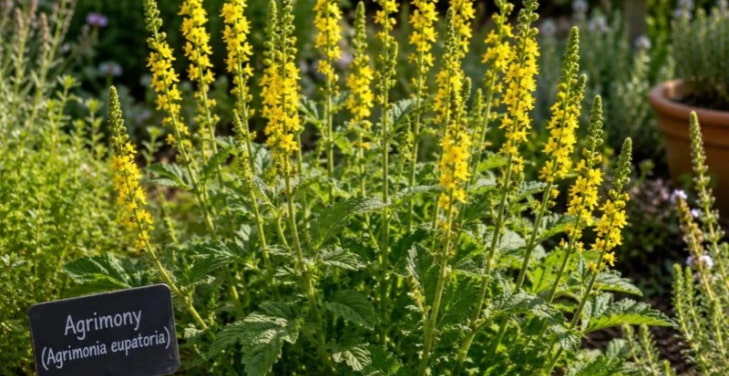
Agrimony is a traditional medicinal herb containing plant compounds studied for potential health effects and safety considerations.
What Is Agrimony?
Agrimony is the common name for plants belonging to the genus Agrimonia, family Rosaceae. This herb is notable for its yellow flowers, upright stems, and long history of use in folk medicine. The above-ground parts, especially the leaves and flowers, contain many plant compounds of interest in medicinal research.
Botanical Name and Common Varieties
Agrimonia eupatoria is a common agrimony species mentioned in traditional herbal literature. It grows across much of Europe and Asia, often in meadows, along roadsides, and in sunny areas.
Plant Characteristics and Natural Habitat
Agrimony typically reaches 30–100 cm, has compound leaves with serrated edges, and small yellow flower clusters along the stem. The fruit has hooks that help it cling to animal fur, aiding in seed dispersal.
Traditional Use in Herbal Medicine
Traditional medicine uses agrimony to make herbal teas that aid digestion and support skincare. Its tannin content and polyphenols contribute to its unique properties.
Nutritional Profile and Active Compounds of Agrimony
Agrimony contains many bioactive plant compounds, especially tannins, flavonoids, and polyphenols. The plant's chemical composition depends on the species, the part harvested, growing conditions, and the extraction method. These compounds contribute to agrimony's value in medicinal plant research and healthcare.
Tannins and Other Polyphenols
Tannins are a prominent group of compounds in agrimony and contribute to the characteristic astringent taste of herbal tea. These compounds can bind to proteins and show antioxidant activity in experimental studies.
Flavonoids and Antioxidant Compounds
Agrimony contains flavonoids and phenolic compounds that may help protect cells from free radical damage. Actual activity depends on each compound's concentration and absorption capacity.
Plant Constituents and Nutritional Value
Agrimony provides plant components of pharmacological research value. The plant's vitamin, mineral, and energy content has not been fully determined in standardized servings, so agrimony should be considered primarily as a herb containing bioactive compounds rather than a primary source of nutrition.
Potential Health Benefits of Agrimony
Agrimony contains tannins, flavonoids, and numerous polyphenol compounds that are of interest in health research. These components show several biological activities in experimental studies, opening avenues to understand their antioxidant, digestive support, and tissue-care potential. The value of agrimony depends on the herb's quality, how it's used, and the available clinical evidence.
Antioxidant Activity and Cellular Protection
The polyphenols in agrimony can partially neutralize free radicals under experimental conditions. This antioxidant activity helps scientists study its potential to protect cells from oxidative stress.
Traditional Applications for Digestive Health
Traditional medicine uses agrimony tea to support digestion and soothe certain intestinal symptoms. The tannin content contributes to the herb's astringent properties.
Preliminary Research on Inflammation and Tissue Health
Several preclinical studies have investigated the anti-inflammatory properties and biological activity of agrimony extract. These preliminary results provide a basis for further research; reliable clinical evidence is still needed to support therapeutic efficacy in humans.
Traditional Uses of Agrimony
Agrimony has a long history of use in European folk medicine and other herbal traditions. People often utilize the leaves, flowers, and above-ground parts of the plant to make tea, rinses, or prepare skincare preparations. These uses are linked to the plant's tannins and polyphenols.
Herbal Preparations for Digestive Discomfort
Folk medicine once used agrimony tea to aid digestion, soothe intestinal discomfort, and improve loose stools. The tannins create a characteristic astringent taste, which supports these traditional uses.
Traditional Use for Minor Skin Concerns
Some folk remedies use agrimony decoction to wash or apply topically to the skin. Users aim to cleanse and care for mildly irritated skin areas.
Historical Applications in Folk Medicine
Agrimony also appears in folk remedies for oral and throat care. These uses reflect the herb's historical use; its therapeutic effectiveness still requires further clinical research to confirm.
Agrimony Forms and Common Uses
Agrimony comes in many forms, from dried herbs for tea to liquid extracts and topical preparations. Each form has its own characteristics in terms of compound concentration, method of use, and convenience. Choose a product based on your intended use, the manufacturer's instructions, and your individual health conditions.
Agrimony Tea and Dried Herb
People often dry or dehydrate the leaves, flowers, and young stems of agrimony for tea. Users steep the herbs in hot water to extract tannins and polyphenols. Agrimony tea is commonly found in traditional health care practices.
Liquid Extracts and Tinctures
Liquid extracts and tinctures of agrimony provide plant compounds in concentrated form. Active-ingredient concentrations vary by solvent and manufacturing process, so users should follow the dosage indicated on the label.
Topical Preparations and Herbal Formulations
Agrimony is also used in some skincare preparations and herbal formulas. Users should check the ingredients, test on a small area of skin, and discontinue use if irritation occurs.
How to Prepare and Consume Agrimony
Agrimony is commonly used as a herbal tea, liquid extract, or supplement. Preparation and dosage depend on the product form, the concentration of plant compounds, and the individual's health condition. Users should choose herbs from reputable sources and follow the manufacturer's instructions.
Basic Steps for Preparing Agrimony Tea
Add the recommended amount of dried agrimony to a cup, add hot water, and steep for 5–10 minutes. Then, strain and let the tea cool to a drinkable temperature. Tannins give this beverage its characteristic astringent taste.
Product-Label Guidance for Extracts and Supplements
Agrimony extracts and tinctures vary in concentration by formula. Users should check the ingredients, dosage, and safety warnings on the product label before use.
Factors That Influence Preparation and Intake
The plant species, herb quality, soaking time, and extraction method all affect the preparation's composition. Pregnant women, people taking medication, and people with chronic diseases should consult a healthcare professional before using agrimony regularly.
Agrimony Side Effects and Potential Risks
Agrimony contains tannins and bioactive plant compounds, so using this herb may cause some unwanted reactions. Risk depends on the amount used, the preparation's concentration, and the individual's sensitivity. Users should monitor their body's reaction during use.
Digestive Discomfort and Other Possible Reactions
High tannin content may cause nausea, abdominal discomfort, or constipation in some people. Using overly strong agrimony tea may increase gastrointestinal irritation.
Allergic Reactions and Individual Sensitivity
Individuals sensitive to plant components may experience itching, rashes, or hives after contact with agrimony. Lip swelling, difficulty breathing, or throat swelling require immediate medical attention.
Safety Concerns With Concentrated Preparations
Extracts and tinctures often contain plant compounds at higher concentrations than regular tea. Users should follow the label instructions, monitor their body's reaction, and consult a healthcare professional if they notice any unusual symptoms.
Agrimony Interactions and Precautions
Agrimony contains tannins and polyphenol compounds that may affect the body's tolerance when used with medications or supplements. The degree of interaction depends on the product composition, dosage, and individual health conditions. Users should consider safety factors before adding agrimony to their health care routine.
Potential Considerations Related to Tannin Content
Tannins can bind to proteins and some minerals in the gastrointestinal tract. This property may affect the absorption of iron and certain nutrients, especially with regular use of tannin-rich preparations.
Medication Use and Possible Effects on Absorption
Clinical data on interactions between agrimony and medications are currently limited. Individuals taking prescription medications, especially those that require careful absorption control, should consult their pharmacist or doctor about the appropriate timing of administration.
Precautions for Existing Health Conditions
Individuals with digestive disorders, iron deficiency, or chronic illnesses should consult a healthcare professional before using agrimony regularly. Choosing products from reputable sources helps ensure quality and minimize risks.
Who Should Avoid or Use Caution With Agrimony?
Agrimony contains tannins and bioactive plant compounds, so certain groups of people need a careful safety assessment before use. Age, health status, medications, and the preparation's concentration all affect tolerance. Consulting a healthcare professional helps users choose the appropriate option.
Pregnancy and Breastfeeding Considerations
Pregnant and breastfeeding women should consult their doctor before using agrimony. Data on the safety of this herb during these special periods is limited, especially for concentrated extracts and tinctures.
Children and Older Adults
A healthcare professional should evaluate children before using agrimony because data on safe dosages are limited. Older adults should monitor their tolerance, digestive status, and medications they take regularly.
People with Chronic Conditions or Taking Medications
Individuals with iron deficiency, digestive disorders, or those taking long-term medications should consult their doctor or pharmacist before use. A professional can assess interaction risks and guide appropriate use based on your individual health condition.
Conclusion
Agrimony is a traditional herb containing tannins, flavonoids, and various polyphenol compounds that are of interest in health research. The plant has a history of use as a digestive aid, in skincare, and in mouthwashes.
Initial studies suggest agrimony's potential antioxidant properties, while further evaluation of its clinical efficacy and safety is needed. Users should choose products from reputable sources, follow usage instructions, and consult a healthcare professional when necessary.
Frequently Asked Questions (FAQs)
- What Are the Potential Health Benefits of Agrimony? – Agrimony contains tannins, flavonoids, and polyphenols that experimental studies suggest may have antioxidant properties. Traditional medicine uses this herb to support digestion and for skin care. Its therapeutic effects in humans require further reliable clinical research.
- How Do You Prepare Agrimony Tea? – To make agrimony tea, place the dried herb in a cup of hot water, steep for 5–10 minutes, and then strain. The tea has a characteristic astringent taste due to its tannins. Follow the preparation instructions on the product packaging.
- What Are the Common Side Effects of Agrimony? – Agrimony may cause gastrointestinal discomfort, nausea, abdominal pain, or constipation in some people. Allergic reactions, such as itching and skin rash, may also occur. The risk depends on the dose, preparation, and individual sensitivity.
- Can Agrimony Interact With Medications? – Tannins in agrimony may affect the absorption of iron and certain other nutrients. Evidence about direct interactions with medications remains limited. People taking prescription medications should consult a doctor or pharmacist before using agrimony regularly.
- Who Should Avoid or Use Caution With Agrimony? – Pregnant women, breastfeeding mothers, children, and people with chronic illnesses should consult a healthcare professional before using agrimony. People with iron deficiency or those taking long-term medications should also seek professional advice to assess potential risks and suitable alternatives.
