
Beta-carotene is an important carotenoid, prominently found in carrots, sweet potatoes, pumpkins, and many leafy green vegetables. This compound provides a precursor to vitamin A and contributes to antioxidant activity in the body.
Consider daily beta-carotene intake based on food sources, vitamin A requirements, and individual nutritional status. Understanding dosage, benefits, and safety factors helps in developing an appropriate carotenoid supplementation regimen.
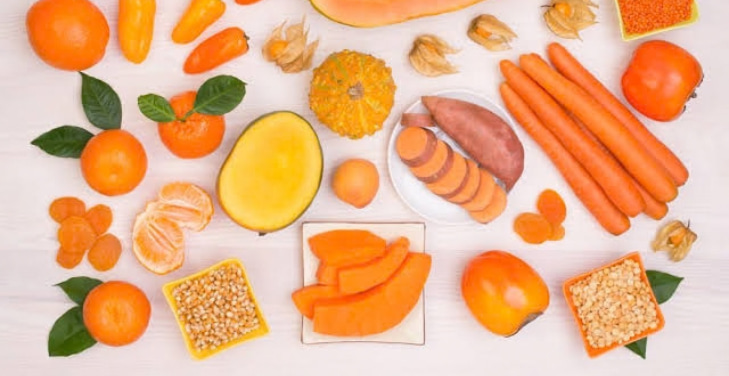
Daily beta-carotene intake depends on dietary sources, supplement strength, individual needs, and overall vitamin A status.
What Is Beta-Carotene?
Beta-carotene is a naturally occurring carotenoid that gives many plants their characteristic orange, yellow, and red colors. This compound plays an important nutritional role by providing a precursor to vitamin A.
A Carotenoid and Provitamin A Compound
Beta-carotene belongs to the carotenoid group, which has antioxidant activity and can convert to vitamin A. The body regulates this conversion based on physiological needs, nutritional status, and absorption capacity.
Role in Vitamin A Production
After absorption in the digestive tract, beta-carotene converts to retinol, the body's active form of vitamin A. Vitamin A supports vision, immune function, skin health, and the integrity of epithelial tissues.
Common Dietary Sources
Carrots, sweet potatoes, pumpkins, spinach, kale, and many leafy green vegetables are natural sources of beta-carotene. A varied diet with colorful fruits and vegetables helps increase carotenoid intake and provides valuable phytonutrients.
How Much Beta-Carotene Per Day Is Appropriate?
The appropriate daily beta-carotene intake depends on diet, individual vitamin A needs, and metabolic capacity. A practical approach focuses on natural food sources and total vitamin A intake.
Daily Intake From Food
The body obtains beta-carotene primarily from carrots, sweet potatoes, pumpkins, spinach, kale, and many other pigmented fruits and vegetables. A diverse plant-based diet provides carotenoids along with fiber, vitamins, and minerals, forming a foundation for comprehensive nutrition.
Beta-Carotene and Vitamin A Requirements
Beta-carotene is a precursor to vitamin A, which the body converts into vitamin A as needed. Vitamin A requirements are often expressed as RAE (retinol activity equivalents), which helps assess beta-carotene's contribution to total vitamin A intake.
Supplement Dosage Considerations
Food supplements often contain beta-carotene in higher concentrations than dietary intake. Choose dosage based on product labeling, diet, and nutritional status, especially for long-term use.
How Much Beta-Carotene Per Day Is Appropriate?
The appropriate daily amount of beta-carotene depends on food sources, individual vitamin A needs, and metabolic capacity. No specific recommended daily intake of beta-carotene exists; therefore, 3–6 mg per day is generally considered a practical guideline for a diet rich in fruits and vegetables.
Daily Dietary Intake
You can reach about 3–6 mg/day through carrots, sweet potatoes, pumpkins, spinach, and other leafy greens. A serving of beta-carotene-rich vegetables can significantly contribute to the total daily carotenoid intake.
Beta-Carotene and Vitamin A Needs
Beta-carotene is a precursor to vitamin A, which the body converts into vitamin A as needed. Adult vitamin A requirements are typically around 700–900 µg RAE/day, depending on sex and life stage. When using supplements, check the beta-carotene content on the label and consider the total carotenoid intake from your entire diet.
Beta-Carotene Content in Common Foods
Beta-carotene is naturally present in many brightly colored fruits and vegetables. Carotenoid levels vary by variety, ripeness, storage conditions, and processing methods.
Orange and Yellow Vegetables
Carrots, sweet potatoes, pumpkins, and winter squash provide significant amounts of beta-carotene. A medium-sized carrot can provide about 5–7 mg of beta-carotene, while sweet potatoes and pumpkins contribute carotenoids along with fiber, potassium, and many essential micronutrients.
Leafy Green Vegetables
Spinach, kale, and other leafy greens contain beta-carotene in high concentrations. The green pigment of chlorophyll covers the characteristic orange-yellow color of carotenoids, giving this food group its distinctive green hue.
Fruits and Food Preparation
Mangoes, cantaloupes, and apricots provide additional beta-carotene from fruit sources. Gentle cooking helps break down plant cell structures, supporting carotenoid release and increasing absorption when combined with healthy fats.
Factors That Affect Beta-Carotene Intake
Dietary composition, nutritional needs, absorption capacity, and vitamin A metabolism influence daily beta-carotene intake. These factors create significant differences in how much beta-carotene the body actually receives and uses.
Age and Nutritional Requirements
Age, gender, and physiological stage shape the body's vitamin A needs. Children, adults, and pregnant women have specific nutritional requirements, which affect how much beta-carotene-rich food they should include in their diet.
Diet and Vitamin A Status
A varied diet with carrots, sweet potatoes, pumpkins, leafy green vegetables, and yellow-orange fruits provides a rich source of beta-carotene. Current vitamin A status also impacts the conversion of beta-carotene to vitamin A.
Absorption and Conversion
Fat in meals supports carotenoid absorption in the digestive tract. Gut health, digestive function, and the efficiency of converting beta-carotene into vitamin A continue to shape how much the body uses.
Beta-Carotene From Food vs. Supplements
Food and supplement sources of beta-carotene vary in concentration, affecting how much the body takes in each day. Whole foods often also provide fiber, vitamins, minerals, and many beneficial plant compounds.
Dietary Sources
Carrots, sweet potatoes, pumpkins, spinach, and kale provide beta-carotene along with many essential nutrients. Healthy fats in meals, such as olive oil, avocados, or nuts, support carotenoid absorption.
Supplement Concentration
Beta-carotene supplements often contain concentrated amounts, commonly around 3–15 mg per serving. Users should check the label and calculate the total carotenoid intake from the products they use.
When Supplements May Be Considered
Supplements may be appropriate when the diet provides low amounts of carotenoids or when a healthcare professional identifies specific nutritional needs. Evaluate long-term use at high doses based on health status and total vitamin A intake.
Beta-Carotene and Vitamin A Production
Beta-carotene plays a crucial role in nutrition by providing provitamin A. After absorption, the body regulates beta-carotene metabolism into retinol based on physiological needs and nutritional status.
Conversion Into Vitamin A
In the intestinal mucosa, the enzyme β-carotene 15,15′-monooxygenase (BCMO1) catalyzes the breakdown of beta-carotene to create retinal. Retinal is further converted into retinol, the stored form of vitamin A used in many physiological activities.
Vitamin A and Vision
Vitamin A helps form rhodopsin, a visual pigment essential for vision in low-light conditions. A diet rich in beta-carotene helps maintain the provitamin A supply needed for vision.
Immune and Skin Health
Vitamin A supports the epithelial barrier, immune function, and skin tissue maintenance. Beta-carotene therefore contributes to vitamin A nutrition through the body's natural metabolic pathways.
Benefits of Adequate Beta-Carotene Intake
An adequate amount of beta-carotene supports a carotenoid-rich diet and helps maintain the body's vitamin A supply. This nutrient is found in many colorful plant-based foods and provides antioxidant activity.
Antioxidant Activity
Beta-carotene acts as a carotenoid that protects cells from the effects of free radicals. This mechanism helps maintain oxidative balance and supports cellular health under normal physiological conditions.
Vision and Immune Support
Converting beta-carotene into vitamin A provides the building blocks for vision, immune function, and epithelial tissue health. Vitamin A is especially essential for retinal function and the body's protective barrier.
Overall Dietary Carotenoid Intake
Carrots, sweet potatoes, pumpkins, spinach, and kale provide fiber along with many vitamins, minerals, and plant compounds. A varied diet increases total carotenoid intake and improves daily nutritional quality.
Risks of Excessive Beta-Carotene Intake
High amounts of beta-carotene, especially from concentrated supplements, can have significant health effects. The impact depends on the dose, the duration of supplementation, and individual risk factors.
Carotenemia and Skin Discoloration
Consuming large amounts of beta-carotene over a long period can cause carotenemia, manifested as an orange-yellow discoloration of the skin, often noticeable on the palms and soles of the feet. This condition reflects carotenoid accumulation in subcutaneous fatty tissue.
High-Dose Supplementation
Products containing high doses of beta-carotene create concentrated carotenoids, especially when users combine multiple supplements. Consider long-term use based on total carotenoid intake and nutritional status.
Smoking and Asbestos Exposure
Current smokers, former smokers, and those with a history of asbestos exposure should exercise particular caution with beta-carotene supplements. Large trials have noted an increased risk of lung cancer in these groups when using high doses of beta-carotene.
Who Should Use Caution With Beta-Carotene Supplements?
Consider concentrated beta-carotene supplements carefully based on health status, lifestyle habits, and total daily carotenoid intake. Certain groups are at particular risk when using high doses for extended periods.
Smokers and Former Smokers
Current and former smokers should be cautious with high doses of beta-carotene. Large studies have documented an association between high-dose beta-carotene supplementation and an increased risk of lung cancer in these groups.
People With Asbestos Exposure
Individuals with significant asbestos exposure should consult a healthcare professional before using beta-carotene supplements. Occupational exposure combined with high beta-carotene doses creates a group that requires careful evaluation.
Multiple Supplements and Medical Conditions
Individuals using multiple carotenoid or antioxidant-containing products should monitor their total daily intake. Individuals with chronic illnesses, malabsorption disorders, or special vitamin A needs should receive personalized guidance from a healthcare professional.
How to Get an Appropriate Amount of Beta-Carotene Daily
The appropriate daily amount of beta-carotene comes from a varied diet rich in fruits and vegetables and tailored to individual nutritional needs. Combining multiple food groups helps maintain a stable source of carotenoids and supports overall health.
Prioritize Beta-Carotene-Rich Foods
Carrots, sweet potatoes, pumpkin, spinach, kale, mango, and cantaloupe provide natural beta-carotene. A serving of orange or leafy green vegetables with each meal helps increase daily carotenoid intake.
Include Healthy Dietary Fats
Healthy fats from avocados, olive oil, nuts, and seeds support carotenoid absorption. Combining beta-carotene-rich foods with appropriate fat sources helps the body utilize this nutrient effectively.
Use Supplements Carefully
Those using supplements should follow the dosage on the label and monitor total beta-carotene intake from multiple products. Prolonged high doses should be evaluated by a healthcare professional, especially in smokers or those with a history of asbestos exposure.
Conclusion
Beta-carotene provides essential carotenoids and provitamin A, supporting vision, immunity, skin health, and the body's antioxidant activity.
Diets rich in carrots, sweet potatoes, pumpkins, and leafy green vegetables help supplement beta-carotene naturally. Use supplements based on dosage, nutritional status, and individual risk factors.
Frequently Asked Questions (FAQs)
- How Much Beta-Carotene Should You Take Per Day? – The appropriate amount of beta-carotene depends on your diet and vitamin A needs. Around 3–6 mg per day can provide a significant amount of carotenoids from food, especially when the diet includes a variety of orange and leafy green vegetables.
- Can You Get Enough Beta-Carotene From Food? – Foods such as carrots, sweet potatoes, pumpkins, spinach, and kale provide natural beta-carotene. A varied diet with plenty of fruits and vegetables helps provide carotenoids along with fiber, vitamins, minerals, and plant compounds.
- What Are the Benefits of Beta-Carotene? – Beta-carotene supports vitamin A metabolism in the body. Vitamin A helps maintain vision, immune function, and epithelial tissue, while beta-carotene also provides antioxidant activity.
- Can Too Much Beta-Carotene Be Harmful? – High amounts of beta-carotene can cause carotenemia, which gives the skin a yellow-orange tint. High-dose supplements should be used with caution, especially in smokers, former smokers, or people with a history of asbestos exposure.
- Who Should Avoid Beta-Carotene Supplements? – Smokers, former smokers, or people with significant asbestos exposure should consult a healthcare professional before taking high-dose beta-carotene supplements. Users of multiple carotenoid products should also monitor their total daily intake.
