
Lycopene gives tomatoes, watermelons, guavas, and many other common foods their vibrant red color and has generated widespread interest in nutrition. This carotenoid possesses a unique structure with remarkable antioxidant activity.
Each meal rich in lycopene offers an opportunity to supplement this valuable plant compound. When building a lycopene-rich diet, consider absorption, food sources, potential benefits, and safety.
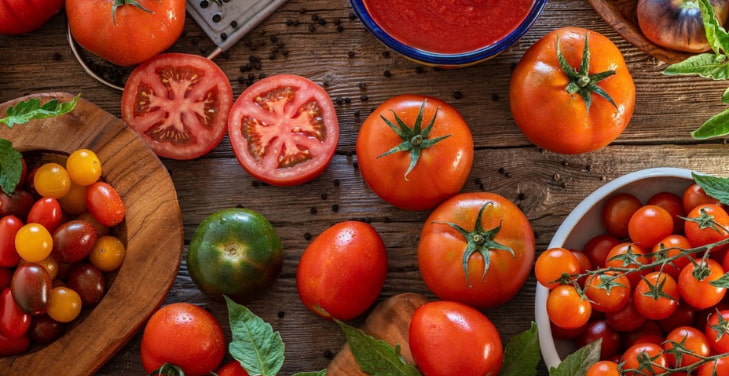
Lycopene is a red carotenoid found in tomatoes and other colorful fruits and vegetables.
What Is Lycopene?
Lycopene is a natural carotenoid pigment that gives many plants and foods their characteristic red color. This compound has attracted nutritional attention because its chemical structure is rich in conjugated double bonds, which supports its antioxidant activity in the body.
Natural Carotenoid Pigment
Lycopene is prominently present in tomatoes, tomato products, watermelon, pink grapefruit, and guava. Lycopene's molecular structure allows it to interact with free radicals, helping maintain oxidative balance in cells.
Antioxidant Properties
Lycopene is a carotenoid that can absorb reactive oxygen species. This activity is related to its ability to protect lipids, cell membranes, and biological structures from oxidative damage. The body absorbs lycopene through the digestive system and distributes the compound to many tissues.
Natural Food Sources of Lycopene
Lycopene is concentrated in many red- or pink-pigmented plants. A varied diet with lycopene-rich foods helps increase this carotenoid naturally, while also providing additional vitamins, minerals, and beneficial plant compounds.
Tomatoes and Tomato Products
Tomatoes are a prominent source of lycopene in the daily diet. Tomato juice, tomato sauce, ketchup, and tomato concentrate also provide significant amounts of lycopene. Cooking and concentrating alter lycopene's structure and may increase its absorption in the digestive tract.
Fruits Rich in Lycopene
Watermelon, pink grapefruit, pink guava, and papaya contain lycopene in amounts that vary by variety, ripeness, and growing conditions. The deep color often reflects higher carotenoid levels. Eating these fruits regularly helps supplement lycopene along with water, fiber, and many other plant compounds.
Food Processing and Availability
Temperature, cooking time, and processing level affect the body's ability to access lycopene. Tomato dishes cooked with a healthy amount of fat may support carotenoid absorption in the digestive system.
Nutritional and Antioxidant Properties of Lycopene
Lycopene is a fat-soluble carotenoid with a molecular structure rich in conjugated double bonds. This characteristic underlies its antioxidant activity and influences how the body absorbs, transports, and distributes lycopene in tissues.
Lycopene and Oxidative Stress
Lycopene interacts with reactive oxygen species and helps control oxidation in the cellular environment. Lycopene's antioxidant activity is closely linked to its characteristic polyene structure, helping protect lipids and cellular components from oxidative stress.
Bioavailability and Absorption
The body absorbs lycopene in the small intestine through fat digestion and lipid transport. Dietary fats support this carotenoid's dissolution and absorption. Temperature, food processing, food structure, and isomers also affect lycopene bioavailability.
Factors Affecting Lycopene Utilization
The ability to utilize lycopene depends on the food source, the level of processing, the composition of the meal, and the individual's absorption characteristics. Cooking tomatoes with healthy fats facilitates lycopene release and absorption.
Potential Health Benefits of Lycopene
Lycopene has attracted attention in nutritional research due to its potent antioxidant activity and its presence in many body tissues. Current research focuses on the relationship between dietary lycopene intake, blood lycopene levels, and several important health markers.
Cardiovascular Health
Lycopene supports cardiovascular health through its antioxidant activity and potential effects on vascular function. Observational studies have linked circulating lycopene levels to several cardiovascular markers. Diets rich in tomatoes and plant-based foods also provide carotenoids, fiber, and other beneficial compounds.
Cellular Protection
Lycopene supports the cellular defense system against oxidative stress by interacting with reactive oxygen species. This activity is particularly relevant to lipids and cell membranes, where lycopene likely concentrates.
Prostate and Emerging Research
Research on lycopene and prostate health continues to evolve. Several observational data points have noted an association between high lycopene intake and certain favorable health outcomes. Clinical trials continue to evaluate lycopene's practical role in diet and supplements.
Lycopene and Heart Health
Lycopene has received considerable attention in cardiovascular nutrition research because of its antioxidant activity and potential interaction with vascular processes. Lycopene sources from tomatoes and other carotenoid-rich foods may contribute to a heart-healthy diet.
Cardiovascular Markers
Lycopene is linked to several cardiovascular markers, including lipid oxidation status, blood pressure, and endothelial function. Observational studies have documented associations between blood lycopene levels and several cardiovascular health characteristics. These data provide a basis for further research into the role of carotenoids in nutrition.
Oxidative Stress and Blood Vessels
Lycopene's antioxidant activity helps regulate reactive oxygen species in the cellular environment. Lycopene is also present in vascular tissue and may help maintain a favorable biological environment for endothelial function.
Lycopene-Rich Diet
Tomatoes, tomato juice, watermelon, and guava provide lycopene along with many other phytonutrients. Pairing these foods with healthy fats supports carotenoid absorption.
Lycopene and Prostate Health
Lycopene has attracted attention in prostate health research because of its antioxidant properties and its ability to distribute throughout the body's tissues. Researchers have focused on evaluating the relationship between dietary lycopene intake, circulating lycopene levels, and prostate-related markers.
Lycopene Levels and Prostate Health
Several observational studies have linked higher dietary lycopene intake to favorable prostate health indicators. Tomatoes and tomato products provide an important source of lycopene in many diets. Lycopene is also present in prostate tissue, supporting research into this carotenoid's biological role.
Oxidative Protection
Lycopene has antioxidant activity that helps control reactive oxygen species in the cellular environment. This mechanism has received attention in research on prostate health and cellular damage associated with oxidative stress.
Current Clinical Evidence
Clinical trials continue to evaluate the role of lycopene in prostate health. Current data provide several noteworthy signals, but the effectiveness of lycopene supplementation in dietary form depends on context, dosage, and individual constitution.
Lycopene Dosage and Supplement Use
Lycopene is naturally present in many foods and is also available as capsules, tablets, or carotenoid supplement formulas. The need for supplementation depends on individual dietary intake, nutritional goals, and health characteristics.
Dietary Intake
Tomatoes, tomato juice, tomato sauce, watermelon, and guava provide lycopene in the daily diet. A varied diet helps the body absorb lycopene along with fiber, vitamins, and other plant compounds. Cooking methods and meal fat content also affect how much lycopene the body absorbs.
Supplement Dosage
Supplements typically provide lycopene in amounts listed on the manufacturer's label. Follow the dosage instructions for each product, and consider the total amount of lycopene from food and supplements.
Supplementation Considerations
Choosing a supplement requires considering your diet, medications, and individual health condition. Consulting with a healthcare professional helps determine the appropriate level of care, especially when using high doses or products for extended periods.
Lycopene Absorption and Bioavailability
Lycopene is fat-soluble, so meal composition, processing methods, and food structure significantly influence its absorption. Lycopene bioavailability reflects the amount the body can absorb, transport, and use after consumption.
Dietary Fat and Absorption
Dietary fats help lycopene dissolve in the digestive system and support absorption in the small intestine. Olive oil, avocados, nuts, and other healthy fat sources can be combined with lycopene-rich foods in the same meal.
Cooking and Food Processing
Temperature and processing alter plant cell structures, helping to release lycopene from the food matrix. Cooking tomatoes and concentrating tomato products can improve lycopene accessibility in the digestive tract.
Food Sources and Supplements
Food form, meal composition, and supplement formulation all affect bioavailability. Lycopene in food often comes alongside fats and plant compounds that support a varied diet.
Lycopene Side Effects and Safety
Lycopene is commonly found in tomatoes, watermelon, guava, and other red-pigmented foods. Appropriate consumption generally supports carotenoid intake, while high amounts may cause symptoms that require monitoring.
Digestive Symptoms
High-dose lycopene supplementation may cause bloating, nausea, abdominal pain, or changes in bowel movements in some people. Symptom severity depends on the dose, product form, and individual tolerance.
Skin Discoloration
Very high amounts of lycopene over a long period can lead to lycopenemia, a condition in which carotenoids accumulate and make the skin appear yellow-orange or red-orange. This is often associated with high carotenoid intake and may lessen with adjustment of consumption.
Medication and Health Considerations
Individuals taking regular medications should consult a healthcare professional before taking lycopene supplements. Assessing current medications, lycopene dosage, and health status helps determine the appropriate usage plan.
How to Get More Lycopene Safely
Increasing lycopene intake through food is a simple, flexible, nutrient-rich approach. A varied diet including tomatoes, watermelon, guava, and pink grapefruit provides lycopene along with many other phytonutrients.
Lycopene-Rich Foods
Tomatoes, tomato sauce, tomato juice, watermelon, pink guava, and pink grapefruit provide natural lycopene. Alternating food sources helps build a rich and balanced diet.
Healthy Fats and Absorption
Lycopene is fat-soluble, so pairing lycopene-rich foods with healthy fats can support absorption. Olive oil, avocados, nuts, and seeds make good choices for meals.
Choosing Supplements Carefully
Supplements provide lycopene in concentrated amounts. Users should read product labels carefully, follow recommended dosages, and consider their total lycopene intake from their diet. Healthcare professionals can help assess supplementation needs based on individual diet and health conditions.
Conclusion
Lycopene is a naturally occurring carotenoid notable for its antioxidant activity and is abundant in tomatoes, watermelon, guava, and many other red-pigmented foods.
A varied diet makes lycopene supplementation convenient. Pairing lycopene-rich foods with healthy fats supports absorption, while supplements require attention to dosage and individual health needs.
Lycopene continues to receive attention in research on cardiovascular, prostate, and cellular protection.
Frequently Asked Questions (FAQs)
- What Is Lycopene? – Lycopene is a naturally occurring carotenoid that gives tomatoes, watermelons, guavas, and pink grapefruits their red color. This compound has antioxidant activity, helps control oxidative stress, and helps protect cellular components.
- What Foods Contain Lycopene? – Tomatoes and tomato products provide a significant amount of lycopene. Watermelons, pink guavas, pink grapefruits, and other red foods also contain this carotenoid, along with fiber, vitamins, and various plant compounds.
- What Are Lycopene Benefits? – Lycopene has gained attention for its antioxidant properties and its association with cardiovascular health, prostate health, and cellular protection. Modern research continues to evaluate its potential benefits across a range of health groups.
- How Does Lycopene Absorb? – Lycopene is fat-soluble, so a meal's fat content affects its absorption. Cooking lycopene-rich foods and combining them with healthy fats can help release, dissolve, and transport the carotenoid for absorption.
- Is Lycopene Safe? – Lycopene from food is suitable for a varied diet. High supplemental amounts may cause digestive upset or lycopenia, which can give the skin a yellowish-orange tint. People taking medication regularly should consult a healthcare professional before taking supplements.
