
A noteworthy health revelation: fucoxanthin is attracting attention in research on metabolism and cellular health. This carotenoid occurs naturally in brown algae and offers a range of bioactive properties.
The daily dosage plays a crucial role in supplementation. Fucoxanthin content, product form, diet, and health status all shape appropriate use.
Understanding the dosage helps build a sound supplementation plan and monitor tolerance.
Daily fucoxanthin intake depends on supplement strength, formulation, individual needs, and overall health considerations.
What Is Fucoxanthin?
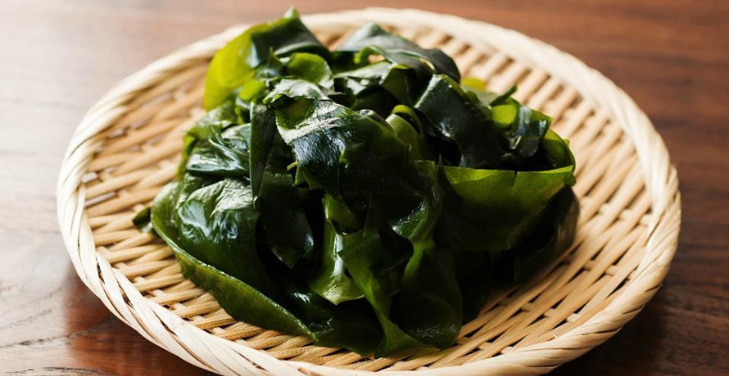
Fucoxanthin is a naturally occurring carotenoid belonging to the xanthophyll pigment group, found in high concentrations in brown algae such as wakame, kombu, and hijiki. This compound gives many seaweed species their characteristic yellowish-brown color and has attracted attention in nutritional research because of its diverse biological activities.
Natural Carotenoid
Fucoxanthin has a unique molecular structure with double bonds and oxidizing functional groups, contributing to its antioxidant activity. The body absorbs fucoxanthin through digestion and metabolizes it into biologically active metabolites.
Antioxidant Activity
Fucoxanthin supports mechanisms that protect cells from free radicals and oxidative stress. Research also investigates its role in lipid and glucose metabolism and in regulating cellular activity.
Dietary Sources and Supplements
Seaweed provides fucoxanthin along with fiber, minerals, and many other plant compounds. Dietary supplements often use brown algae extracts with standardized fucoxanthin content, allowing for control over the amount of active ingredient in each serving.
How Much Fucoxanthin Per Day Is Appropriate?
The appropriate daily dose of fucoxanthin depends on the active-ingredient content, product form, and intended use. Human studies provide useful reference data, while the appropriate dosage should still be considered on a case-by-case basis.
Amounts Studied in Humans
Human studies have examined various levels of fucoxanthin supplementation, often using brown algae extracts with a defined active ingredient content. Some studies use approximately 2.4 mg of fucoxanthin per day for a specified period, providing a basis for assessing tolerability and metabolic effects.
Individual Dosage Factors
Age, diet, health status, intended use, and product composition all influence dosage selection. Users should check the fucoxanthin content on the label and follow the manufacturer's recommended serving size.
Research-Based Considerations
Current data focus on trials with specific product timings and formulations. Therefore, choose your dose based on research evidence, product quality, and expert medical evaluation when needed.
Factors That Affect Fucoxanthin Dosage
Several factors related to the product, diet, and individual health characteristics influence the appropriate fucoxanthin dose. Considering each factor helps establish a more appropriate, well-founded usage plan.
Supplement Concentration
The fucoxanthin content in each serving determines the amount of active ingredient you ingest. Brown algae extracts may vary in concentration, so users should check the label carefully.
Individual Health Factors
Age, health status, diet, and nutritional needs affect dosage selection. Individuals with metabolic disorders or those taking medication should consult a healthcare professional before supplementation.
Product Quality
The source of raw materials, extraction process, standardization level, and quality control directly affect the reliability of fucoxanthin content. Clear labels help you accurately determine the amount of active ingredient in each serving.
Fucoxanthin Dosage by Supplement Form
The supplement form determines how fucoxanthin is delivered and how to calculate the daily dose. Each product has its own formula, concentration, and usage instructions, so users need to focus on the actual fucoxanthin content.
Capsules and Tablets
Capsules and tablets usually provide a measured amount of fucoxanthin per serving. Check the ingredient list to find the exact milligrams of fucoxanthin per capsule and the total daily dose.
Brown Seaweed Extracts
Brown seaweed extracts may contain fucoxanthin along with many other natural compounds. The concentration of the active ingredient depends on the source material, extraction method, and the product's degree of standardization.
Combined Formulations
Some formulations combine fucoxanthin with oils, carotenoids, or other plant compounds. The accompanying ingredients may affect absorption and intended use.
Reading the Label
Product labels provide important information about the amount per serving, number of servings, and usage instructions. Users should rely on the actual fucoxanthin content rather than the extract's total weight.
When to Take Fucoxanthin
The timing of fucoxanthin use depends on meals, dietary fat, and the ability to maintain a consistent schedule. Proper use supports absorption and helps maintain a consistent intake.
Timing With Meals
Fucoxanthin is generally best taken with meals. Users can choose a fixed meal of the day to establish a consistent habit, especially if the product clearly states that it should be taken with food.
Dietary Fat and Absorption
Fucoxanthin is a fat-soluble carotenoid. A meal containing a source of healthy fats such as fish, avocados, nuts, or vegetable oils can support carotenoid absorption.
Consistent Use
Using it at a consistent time helps users track their total daily fucoxanthin intake. Follow the label instructions and the usage plan recommended by a healthcare professional.
Potential Benefits of Fucoxanthin
Fucoxanthin has attracted attention in nutritional research due to its diverse biological activities. Preclinical studies and human trials are investigating this compound's role in oxidative stress, energy metabolism, and metabolic health.
Antioxidant Activity
Fucoxanthin exhibits antioxidant activity, supporting cellular defense mechanisms against oxidizing molecules. This property is related to its characteristic carotenoid structure and its ability to interact with the body's antioxidant mechanisms.
Lipid and Glucose Metabolism
Research focuses on fucoxanthin's potential effects on lipid and glucose metabolism. Some data suggest that this compound may be involved in energy utilization, insulin response, and lipid regulation.
Body Composition
Fucoxanthin has also received attention in research on adipose tissue metabolism and body composition. Human data is still expanding, so actual benefits depend on dose, duration of use, and individual characteristics.
Side Effects of Fucoxanthin
Fucoxanthin is generally well tolerated at the tested doses. However, bodily reactions can vary depending on dosage, extract form, product composition, and individual sensitivity.
Digestive Symptoms
Some people may experience nausea, bloating, abdominal distension, or discomfort when using fucoxanthin. Digestive reactions vary depending on the amount of active ingredient, product formulation, and timing of administration.
Individual Sensitivity
Concentrated brown algae extract provides a higher concentration of the active ingredient than typical food sources. Individual sensitivities, diet, and using multiple supplements at once can affect tolerance.
Dose and Product Factors
Dosage, purity, and raw-material quality play a crucial role in the user experience. Users should monitor changes in their bodies, adhere to the portion sizes on the label, and consult a healthcare professional if a prolonged or significant reaction occurs.
Fucoxanthin and Medication Considerations
Fucoxanthin has biological activity related to glucose, lipid, and other metabolic processes. These characteristics present points of concern when used concurrently with medications, particularly in individuals managing metabolic disorders.
Blood Sugar Medications
Fucoxanthin may affect mechanisms related to glucose and insulin response. Individuals taking blood glucose-lowering medications should monitor their blood glucose regularly and consult with a healthcare professional before supplementing with fucoxanthin.
Blood Pressure and Metabolic Effects
Studies are investigating fucoxanthin's effects on metabolism and certain cardiovascular markers. Individuals taking blood pressure medication or metabolic medications should provide a complete list of their medications during consultations.
Professional Medication Review
A healthcare professional can assess the fucoxanthin dosage, current medications, underlying conditions, and any concomitant supplements. This review helps develop a personalized treatment plan.
Who Should Use Caution With Fucoxanthin?
Fucoxanthin is biologically active and may affect several metabolic processes in the body. Certain groups should carefully assess their health status, medications, and total dietary intake before use.
Existing Health Conditions
Individuals with metabolic disorders, liver disease, kidney disease, or chronic health problems should consult a healthcare professional. Assessing underlying conditions helps determine appropriate use for their individual situation.
Regular Medications
Individuals taking blood sugar-lowering medications, blood pressure medications, or multiple prescription medications should check for potential interactions. A complete list of medications helps healthcare professionals assess overall risk and select the appropriate dosage.
Pregnancy and Breastfeeding
Pregnant or breastfeeding women should consult a healthcare professional before using concentrated fucoxanthin. Safety data during these periods is limited.
Multiple Supplements
People who use multiple supplements should check the ingredients to control the total amount of active ingredients. Reviewing product labels helps prevent overlapping supplements.
How to Use Fucoxanthin Safely
Safe fucoxanthin use focuses on product quality, active ingredient content, and individual tolerance. A clear usage plan helps control supplementation and monitor the body's reaction.
Choose Quality Products
Prioritize products with clearly sourced ingredients, transparent ingredient information, and reliable quality control processes. Product labels should specifically state the fucoxanthin content in each serving.
Follow the Recommended Serving
Adhere to the manufacturer's recommended serving size based on actual fucoxanthin content. Users should maintain a consistent schedule and track total fucoxanthin intake from all products used.
Monitor Tolerance
Monitor for symptoms such as nausea, bloating, or digestive discomfort during use. Individuals with underlying medical conditions, those taking medication, or those planning long-term use should consult a healthcare professional for appropriate evaluation.
Conclusion
Fucoxanthin is a naturally occurring carotenoid rich in bioactive compounds, studied for its antioxidant properties and support of lipid and glucose metabolism. Dosage should be based on the active ingredient content, supplement form, and individual health characteristics.
Choosing a transparent product, following recommended serving sizes, and monitoring tolerance will help establish safe, well-founded usage guidelines.
Frequently Asked Questions (FAQs)
- How Much Fucoxanthin Should You Take Daily? – The daily fucoxanthin intake depends on the active ingredient content in the product, the supplement formulation, and the intended use. Some studies suggest around 2.4 mg per day. Follow the label instructions.
- When Should You Take Fucoxanthin? – Fucoxanthin is generally best taken with a meal containing fat, as its fat-soluble properties aid in carotenoid absorption. Taking a consistent daily dose helps build a habit and control the amount you take.
- What Are the Benefits of Fucoxanthin? – Fucoxanthin exhibits antioxidant activity and is being studied for its effects on lipid, glucose, energy, and body composition metabolism. These benefits depend on the dose, duration of supplementation, and individual biological characteristics.
- What Side Effects Can Fucoxanthin Cause? – Fucoxanthin may cause some gastrointestinal symptoms such as nausea, bloating, abdominal distension, or discomfort in sensitive individuals. The severity of the reaction depends on dosage, product formulation, and individual tolerance.
- Who Should Avoid Fucoxanthin Supplements? – Pregnant women, breastfeeding mothers, people with chronic illnesses, or those taking medications regularly should consult a healthcare professional before supplementing with fucoxanthin. Assessment of medications, underlying conditions, and supplements helps manage risks.
