
Konjac noodles are increasingly appearing in meals aimed at calorie control and increased fiber intake. A suitable serving can provide a light, satisfying feeling and convenience for daily menus.
However, you still need to adjust your noodle intake based on glucomannan content, fiber tolerance, and daily water intake. Understanding serving sizes helps build proactive eating habits, support digestion, and maintain nutritional balance.
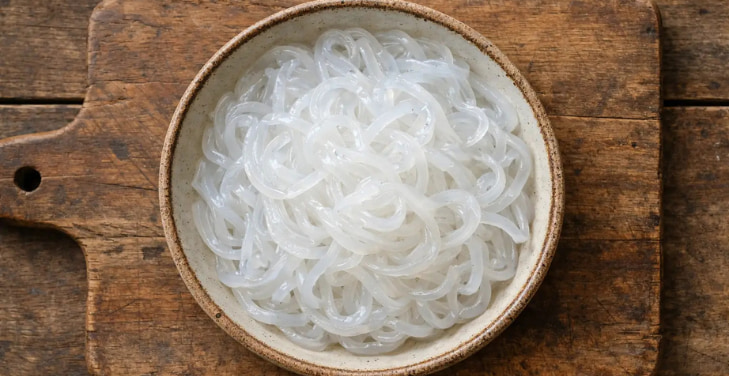
Daily konjac noodle intake depends on serving size, fiber tolerance, hydration, and individual dietary needs.
What Are Konjac Noodles?
Konjac noodles are noodles made primarily from glucomannan, a soluble fiber derived from the konjac root (Amorphophallus konjac). This ingredient gives the product its characteristic chewy, soft texture and water-retention ability.
Main Ingredient: Glucomannan
Glucomannan provides a significant amount of fiber per serving. When combined with water, this fiber forms a gel structure that contributes to a feeling of fullness and helps control food intake.
Calories and Nutritional Characteristics
Konjac noodles are generally very low in calories and provide a low amount of digestible carbohydrates, depending on the recipe. Actual nutritional information varies by brand, added ingredients, and processing method.
Common Types and Preparation
Common forms include shirataki, konjac rice, and imitations of traditional noodles. Users typically rinse, drain, blanch, or heat the noodles before combining them with vegetables, protein, and sauce.
How Much Konjac Noodles Per Day Is Appropriate?
The appropriate amount of konjac noodles per day depends on the label serving size, the glucomannan content, and individual fiber tolerance. A standard serving size, according to product instructions, usually provides about 100–200g of drained noodles, a good starting point for daily intake.
Practical Serving Size
Adults can start with about 100g per meal, then adjust based on their digestive comfort and total daily fiber intake. Some pre-packaged products have a serving size of around 200g, so check the specific nutritional information.
Glucomannan Content
Glucomannan content varies significantly between products. Consumers should read the label to determine the actual fiber content rather than relying solely on noodle weight.
Individual Tolerance
Individual tolerance determines the appropriate serving size. People on low-fiber diets should increase their intake gradually, stay well hydrated, and monitor for symptoms such as bloating, abdominal distension, or changes in bowel movements.
Nutritional Profile of Konjac Noodles
Konjac noodles have a distinctive nutritional profile due to their high glucomannan content and low energy content. Actual values vary depending on the brand, recipe, and added ingredients during production.
Calories and Carbohydrates
A serving of konjac noodles typically provides very little energy. The digestible carbohydrate content is also low, making it suitable for diets focused on total energy or carbohydrate control.
Glucomannan and Dietary Fiber
Glucomannan is a soluble fiber that plays a central role in the nutritional composition. This fiber absorbs water, creating viscosity in the digestive tract and contributing to fullness after meals.
Protein, Fat, and Micronutrients
Original konjac noodles typically provide relatively low amounts of protein and fat. Vitamin and mineral content depends on the specific product recipe. Therefore, a balanced meal should combine konjac noodles with nutrient-rich protein, vegetables, and a source of healthy fats.
Factors That Affect Daily Konjac Noodle Intake
Your daily konjac noodle intake depends on your fiber tolerance, water intake, overall diet, and nutritional goals. Determine serving sizes based on your digestive response and the product's specific ingredients.
Digestive Sensitivity
Individuals with sensitive digestive systems should start with small servings and gradually increase their intake as they adapt. High glucomannan content may increase bloating, gas, or alter bowel movements in some people.
Total Fiber Intake
Total fiber intake from vegetables, fruits, whole grains, legumes, and supplements also determines the appropriate serving size. A diet already high in fiber should include konjac noodles in a balanced distribution throughout the day.
Fluid Intake and Dietary Goals
Because glucomannan absorbs a lot of water, adequate fluid intake supports digestion. Goals like controlling energy intake, managing satiety, and maintaining a balanced diet also shape daily portion sizes.
Benefits of Moderate Konjac Noodle Intake
A moderate serving of konjac noodles can support a high-fiber diet, control calorie intake, and maintain satiety. Nutritional value is maximized when konjac noodles are combined with protein-rich foods, vegetables, and healthy fats.
Dietary Fiber Support
Glucomannan provides soluble fiber, increasing total dietary fiber. Fiber absorbs water and creates viscosity in the digestive tract, supporting bowel function and maintaining satiety.
Appetite and Calorie Management
Konjac noodles are low in calories, helping to structure meals with appropriate energy density. The prolonged feeling of fullness can support portion control and daily calorie management.
Blood Sugar Considerations
The low digestible carbohydrate content of many konjac products suits carbohydrate-control plans. A meal combining konjac noodles, protein, vegetables, and healthy fats creates a balanced nutritional structure.
Digestive Effects of Eating Konjac Noodles Daily
Eating konjac noodles daily increases glucomannan, a type of soluble fiber that strongly absorbs water. The digestive system needs time to adapt to this fiber, especially when portion sizes increase rapidly or the diet is already high in fiber.
Bloating and Bowel Changes
Glucomannan retains water and increases volume in the digestive tract. Some people may experience bloating, gas, abdominal cramps, or changes in bowel frequency when consuming large portions.
Gradual Fiber Adjustment
Increasing konjac noodle intake gradually allows the digestive system to adapt more easily. Smaller portions early on also help you gauge your tolerance before increasing your intake.
Hydration and Digestion
Drinking enough water helps glucomannan move through the digestive tract and maintain stool softness. Chewing thoroughly, eating slowly, and spreading fiber throughout the day can make digestion more comfortable.
Konjac Noodles and Medication Considerations
Konjac noodles contain glucomannan, a soluble fiber that absorbs water and slows digestion. This property can affect when medication reaches the digestive tract, so those who take medication regularly should pay attention to meal planning.
Medication Absorption
Glucomannan can affect the absorption of some oral medications. Users should maintain an appropriate interval between medication and glucomannan-rich products as directed by their doctor or pharmacist.
Timing and Hydration
Taking medication with enough water helps you swallow it and move it through the digestive tract. Eating konjac noodles at a set time each day also helps maintain a consistent medication schedule.
Regular Medication Use
People who take medication daily should check their instructions and consult a healthcare professional before significantly increasing their konjac noodle intake. In particular, medications with a narrow therapeutic range require precise, consistent dosing.
Practical Tips for Eating Konjac Noodles Safely
Eating konjac noodles correctly helps your body adapt to glucomannan and supports smooth digestion. Serving size, water content, preparation method, and accompanying ingredients all play an important role in daily consumption.
Follow Preparation Instructions
Wash and prepare the noodles according to the packaging instructions. Blanching or heating the product as recommended improves texture, flavor, and compatibility with other dishes.
Start With Moderate Portions
Start with moderate portions, especially if your previous diet was low in fiber. Gradually increase the amount based on your tolerance to help your digestive system adapt to glucomannan.
Maintain Adequate Hydration
Drinking enough water throughout the day helps glucomannan absorb fluids and move smoothly through the digestive tract. Chewing thoroughly, eating slowly, and distributing fiber evenly throughout the day also helps control bloating.
Build a Balanced Meal
Combining konjac noodles with lean meats, fish, eggs, tofu, vegetables, and healthy fat sources helps create a balanced meal that provides a variety of protein, fats, vitamins, and minerals.
Conclusion
Konjac noodles provide glucomannan and are low in calories, making them suitable for many dietary plans when users control their portion sizes appropriately. Base daily intake on fiber content, tolerability, and total dietary fiber intake.
Gradually increasing portion sizes, drinking enough water, and pairing protein with vegetables helps build a balanced meal that supports digestion and effective energy management.
Frequently Asked Questions (FAQs)
- How Much Konjac Noodles Can You Eat Per Day? – A serving of approximately 100–200 g of drained konjac noodles may be suitable for many adults. The appropriate amount depends on glucomannan content, total fiber intake, individual tolerance, and daily nutritional needs.
- Can You Eat Konjac Noodles Every Day? – Konjac noodles can be included regularly in the diet when the serving size fits individual digestive tolerance. Daily consumption should be paired with adequate water and nutrient-rich foods containing protein, vitamins, and minerals.
- Do Konjac Noodles Cause Digestive Problems? – Glucomannan can cause bloating, abdominal distension, cramps, or changes in bowel movements in some people. Gradually increasing servings, drinking adequate water, and distributing fiber intake throughout the diet can help the digestive system adapt.
- Are Konjac Noodles Good for Weight Management? – Konjac noodles are low in calories and provide glucomannan, which can increase feelings of fullness during meals. Including them with protein, vegetables, and appropriate portion sizes can support calorie-management plans.
- Can Konjac Noodles Affect Medication Absorption? – Glucomannan can affect the absorption of some oral medications by interacting with the digestive tract. People taking medications regularly should follow their doctor or pharmacist's guidance on the appropriate interval between medication and konjac noodle consumption.
