
A tablespoon of palm kernel oil provides a significant amount of fat and energy, and its high saturated fat content makes it a noteworthy topic for cardiovascular health.
Palm kernel oil is found in many processed foods, confectionery, and personal care products. Consumption, frequency of use, and total dietary fat content determine the oil's nutritional impact.
These factors matter especially for those managing cholesterol and maintaining cardiovascular health.
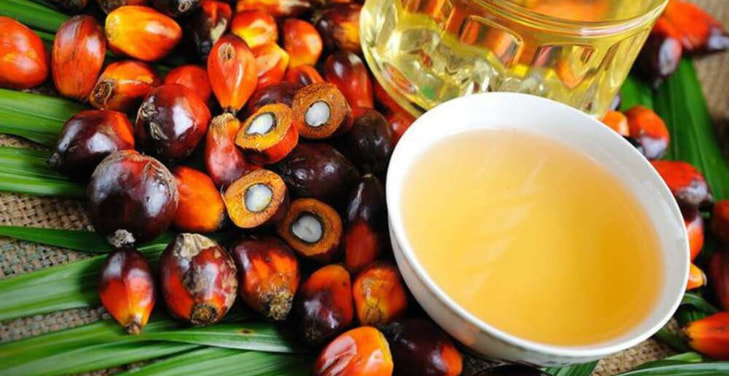
Palm kernel oil contains high amounts of saturated fat that may affect cardiovascular health.
What Is Palm Kernel Oil?
Palm kernel oil is a vegetable oil pressed or extracted from the kernel of the oil palm fruit (Elaeis guineensis). This oil has unique nutritional characteristics and applications, especially in processed foods and cosmetics.
Source and Production
Manufacturers obtain palm kernel oil from the kernel inside the oil palm seed. Mechanical pressing or extraction releases the kernel's concentrated fat, after which the oil undergoes refining steps depending on its intended use.
Palm Kernel Oil in Food and Cosmetics
The food industry uses palm kernel oil in confectionery, ice cream, vegetable fats, and some processed products. The cosmetics industry uses this oil in soaps, creams, and skincare formulations due to its stabilizing and texturizing properties.
Nutritional Characteristics
Palm kernel oil provides high energy from fat and contains a significant proportion of saturated fat. This makes it a key factor in a heart-healthy diet.
Nutritional Profile of Palm Kernel Oil
Palm kernel oil is a high-energy oil, so its fat composition plays a key role in assessing its nutritional value.
Fat Composition
Each gram of palm kernel oil provides approximately 9 kcal, primarily from lipids. The oil contains a high proportion of saturated fats, particularly lauric and myristic acids. This contributes to the oil's stability and characteristic texture in many food products.
Saturated Fat Content
Because of its high saturated fat content, include palm kernel oil in your total daily saturated fat intake. Diets high in saturated fat can increase LDL cholesterol, a factor associated with cardiovascular risk.
Calories and Other Nutrients
Palm kernel oil primarily provides fat and energy, with very low levels of protein, carbohydrates, and fiber. Therefore, serving size and frequency of use matter when incorporating the oil into a daily diet.
Cardiovascular Health Concerns
Palm kernel oil has a high saturated fat content, so the amount used directly affects dietary fat quality and cardiovascular health.
Saturated Fat and LDL Cholesterol
Lauric acid and saturated fats in palm kernel oil may increase LDL cholesterol in some people. Elevated LDL promotes cholesterol buildup in artery walls, contributing to atherosclerosis over time.
Heart Disease Risk
Prolonged high LDL levels increase the risk of coronary heart disease, myocardial infarction, and other cardiovascular events. The overall risk depends on the amount of saturated fat consumed, the quality of the overall diet, physical activity, and individual metabolic factors.
Overall Dietary Fat Quality
Palm kernel oil use should align with total dietary fat intake. A diet that prioritizes sources of unsaturated fats such as olive oil, canola oil, and nuts can support a nutritional strategy aimed at cardiovascular health.
Effects on Cholesterol Levels
Palm kernel oil can significantly affect blood lipid profiles, especially when the diet provides high amounts of saturated fat over a long period. Cholesterol levels vary depending on overall diet and individual metabolic characteristics.
LDL Cholesterol
The saturated fatty acids in palm kernel oil can increase LDL cholesterol in the blood. LDL transports cholesterol to tissues, and when levels remain high for an extended period, it contributes to atherosclerotic plaque formation in artery walls.
HDL Cholesterol
Palm kernel oil can also affect HDL cholesterol, a lipoprotein that transports excess cholesterol from tissues to the liver. Evaluate HDL values along with LDL, triglycerides, and total cholesterol to fully reflect the lipid profile.
Dietary Context and Intake
The amount of palm kernel oil consumed, total saturated fat intake, and the quality of fat sources in the diet all shape cholesterol response. Individuals with high LDL should monitor their saturated fat intake and have regular blood lipid tests.
Digestive Side Effects and Tolerance
Palm kernel oil is high in fat, so the digestive system may react when portions increase rapidly or exceed individual tolerance. The degree of discomfort depends on the amount consumed and each person's ability to digest fat.
Common Digestive Symptoms
Some people may experience bloating, gas, nausea, abdominal pain, or diarrhea after consuming large amounts of oil. High fat content can slow gastric emptying, creating fullness and causing bloating in sensitive individuals.
Individual Tolerance
Tolerance of palm kernel oil varies from person to person. Those who regularly eat high-fat foods may tolerate smaller portions better, while large portions can put more strain on the digestive system.
Portion Size and Symptoms
Portion size plays a crucial role in tolerance. Dividing the oil into smaller portions throughout a meal helps control overall fat intake and supports digestion.
Allergic Reactions and Food Sensitivity
Palm kernel oil is found in many processed foods and personal care products, so assess reactions based on the full product composition and individual sensitivities.
Signs of an Allergic Reaction
Allergic reactions can cause itching, hives, swelling of the lips or face, abdominal pain, vomiting, and difficulty breathing. Note symptoms that appear quickly after eating foods containing palm kernel oil, especially if the reaction affects breathing or causes dizziness.
Food Sensitivity
Some people may experience digestive discomfort related to a product containing palm kernel oil. Consider symptoms such as bloating, abdominal pain, or diarrhea, along with other ingredients in the food.
When to Seek Medical Care
Difficulty breathing, throat swelling, low blood pressure, or severe dizziness may signal anaphylaxis, a medical emergency requiring immediate attention. People with recurrent reactions should consult a doctor to identify the cause and choose appropriate preventive measures.
Palm Kernel Oil and Weight Management
Palm kernel oil is high in fat and provides approximately 9 kcal per gram, making its energy density a key consideration when managing weight. The actual impact depends on portion size, frequency of use, and overall dietary energy intake.
Calorie Density
Even a small amount of palm kernel oil can add significant calories. When oil is frequently used in processed foods, total daily energy intake can rise quickly without the user noticing through portion sizes.
Portion Control
Controlling the amount of oil in each meal helps manage energy more effectively. Measuring oil intake during cooking, watching portion sizes of processed foods, and maintaining a diet rich in vegetables, appropriate protein, and whole grains support weight management goals.
Overall Dietary Balance
Weight management depends on overall energy intake, activity levels, and overall diet quality. Palm kernel oil can fit into a balanced diet when users control their intake and maintain a variety of fat sources.
Who Should Limit Palm Kernel Oil?
Several groups should pay close attention to their palm kernel oil intake because of its high saturated fat content and significant energy density. Recommended limits depend on individual health conditions and nutritional goals.
People with High LDL Cholesterol
People with high LDL cholesterol should limit palm kernel oil to reduce total saturated fat intake. Adjusting intake combined with monitoring blood lipids can support a cholesterol management strategy.
Individuals with Cardiovascular Risk Factors
People with cardiovascular disease or cardiovascular risk factors should focus on the quality of fats in their diet. Limiting foods high in palm kernel oil can support a heart-healthy nutritional plan.
People Managing Saturated Fat Intake
Individuals following a saturated fat-controlled diet, such as recommended by a nutritionist, should monitor palm kernel oil along with other sources of saturated fat. People with a history of food-related reactions should also carefully check the ingredient list.
Healthier Ways to Use Cooking Oils
Choosing the right cooking oil helps shape the quality of fats in your daily diet. When using palm kernel oil, diversifying fat sources helps balance nutritional value and supports cardiovascular health.
Choose Unsaturated Fat Sources
Olive oil, canola oil, soybean oil, and sunflower oil provide many unsaturated fats, especially monounsaturated or polyunsaturated fats. These fat sources are suitable for heart-healthy diets.
Practical Cooking Substitutions
Use olive oil for light stir-frying, salad dressings, or medium-temperature cooking. Canola oil suits many cooking methods because of its mild flavor and favorable fat composition.
Maintain Dietary Fat Balance
A variety of cooking oils helps distribute different types of fatty acids in your diet. Controlling total oil intake, prioritizing whole foods, and maintaining a diet rich in vegetables, legumes, nuts, and fish helps build a balanced eating pattern.
How to Consume Palm Kernel Oil More Safely
Using palm kernel oil wisely focuses on portion sizes, frequency, and the total quality of fat in your diet. A few simple habits can help control consumption and support long-term nutritional goals.
Check Ingredient Labels
Reading ingredient lists helps you spot palm kernel oil in confectionery, processed foods, ice cream, and other products containing vegetable fats. Also, monitor total saturated fat on nutrition labels to adjust portion sizes proactively.
Moderate Your Intake
Moderate intake helps control daily energy and saturated fat intake. Divide oil appropriately across meals, and diversify your fat sources with fish, nuts, seeds, and vegetable oils rich in unsaturated fats.
Consider Individual Health Needs
Individuals with high LDL cholesterol, cardiovascular disease, or a need to control saturated fat intake should discuss appropriate portion sizes with their doctor or a nutritionist. Individuals who have reacted to products containing palm kernel oil should have the specific cause evaluated.
Conclusion
Palm kernel oil is high in energy and contains a significant amount of saturated fat, so portion sizes play an important role in metabolic and cardiovascular health.
Individuals with high LDL cholesterol or cardiovascular risk should control their intake and prioritize sources of unsaturated fats and nutrient-rich foods.
Reading food labels, adjusting portion sizes, and maintaining a varied diet will help you use palm kernel oil more effectively to suit your individual health needs.
Frequently Asked Questions (FAQs)
- Is Palm Kernel Oil Unhealthy? – Palm kernel oil is high in saturated fat, so frequent or high consumption can increase LDL cholesterol. Moderate portions, a varied diet, and appropriate total fat intake can help manage its nutritional impact.
- Can Palm Kernel Oil Raise Cholesterol? – Palm kernel oil may increase LDL cholesterol because of its high saturated fat content. The response depends on portion size, total saturated fat intake, and individual metabolic characteristics.
- Does Palm Kernel Oil Cause Digestive Problems? – Large amounts of palm kernel oil may cause bloating, gas, nausea, or diarrhea in some people. Individual tolerance varies, while moderate portions in meals can help manage overall fat intake.
- Is Palm Kernel Oil High in Saturated Fat? – Palm kernel oil contains a high proportion of saturated fat, with lauric and myristic acids making up a significant portion. It should therefore be counted toward total saturated fat intake in the daily diet.
- Who Should Limit Palm Kernel Oil? – Individuals with high LDL cholesterol, cardiovascular disease, or a need to control saturated fat intake should limit palm kernel oil as part of an appropriate nutritional plan. People who experience adverse reactions after consuming foods containing the oil should also seek medical evaluation.
