
Eleuthero root has drawn attention because of its long history in traditional medicine systems. The root contains numerous plant compounds, particularly eleutherosides, which form the basis of research into endurance, energy, and stress adaptation.
The mystery of its health lies in how dosage determines efficacy and tolerability. Dried root, powder, capsules, and extracts each have unique properties, so determining the daily dose depends on multiple factors.
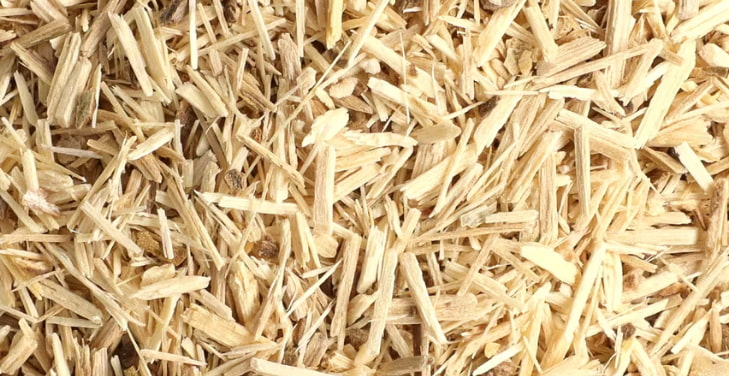
Eleuthero root dosage varies by supplement form, concentration, intended use, and individual safety factors.
Eleuthero Root and Its Common Uses
Eleuthero root, scientifically known as Eleutherococcus senticosus, is a medicinal herb in the Araliaceae family with a long history of use in traditional East Asian medicine. The root contains numerous plant compounds, particularly eleutherosides, which contribute to the herb's research value.
Botanical Identity and Traditional Background
Eleuthero is also known as Siberian ginseng, although this name reflects its commercial history rather than its botanical relationship. Eleuthero root is commonly available as a dried root, powder, capsule, or extract.
Common Uses
Users often choose eleuthero to support endurance, stress tolerance, and daily energy levels. Research also focuses on its potential to support physical performance, cognitive health, and recovery.
Eleuthero and Panax Ginseng
Panax ginseng belongs to the genus Panax and contains a characteristic group of ginsenosides. Eleuthero belongs to the genus Eleutherococcus and contains eleutherosides, giving it a distinct chemical profile.
Typical Daily Eleuthero Root Dosage
The daily dose of eleuthero root depends on the form of the raw material, the intended use, and the concentration of the product. Professional literature usually describes the dose by formulation, so users should check the exact amount of root or extract in each serving.
Dried and Powdered Root
Dried eleuthero root is typically used at about 2–3 g per day, divided into one or several doses. Powdered root can provide an equivalent amount of raw material when the manufacturer specifies the actual weight.
Traditional Use and Evidence
Traditional doses reflect long-standing use of the herb, while clinical data provide a basis for evaluating efficacy and tolerability. The appropriate dosage should match specific goals and the duration of use.
Why Dosage Varies
Eleuthero-containing products can vary significantly in extraction ratios, active ingredient content, and standardization. Therefore, 2–3 g of raw root is not directly equivalent to 2–3 g of extract.
Dosage Differences by Supplement Form
The dosage form determines how to convert the daily dose of eleuthero root. The same labeled weight may provide different amounts of plant compounds depending on the processing method and concentration level.
Dried Root and Powder
Dried root and root powder usually directly indicate the amount of plant material, with a common reference dose of around 2–3 g per day. Users should weigh the actual amount to maintain a consistent dosage.
Capsules and Tablets
Capsules and tablets usually state the number of milligrams of root or extract per serving. Users should calculate the total daily dose from the number of capsules used and check the extract ratio and standardization information.
Liquid Extracts and Tinctures
Liquid extracts and tinctures usually indicate the dose in mL or drops. The extract concentration, raw material-to-solvent ratio, and manufacturer instructions determine the appropriate dosage.
Standardized Extracts
Standardized extracts provide information about the content or ratio of a specific compound. Users should read the extract amount and the equivalent root amount to assess the dosage accurately.
Factors That Influence Daily Dosage
The daily dose of eleuthero root should match the product's characteristics, intended use, and individual health context. These factors determine the actual dosage and tolerability during supplementation.
Extract Concentration and Ratio
Extract concentration plays a crucial role in determining the dose. The extraction ratio, equivalent amount of raw root material, and eleutheroside content help users assess the product's concentration level.
Intended Use
Intended use influences dose and timing. Users may want energy support, endurance, stress tolerance, or physical performance, and should follow appropriate guidelines.
Age and Health Status
Age, physical condition, and health status affect tolerability. Individuals with underlying medical conditions should consult a healthcare professional before choosing a regular dosage.
Medications and Supplements
Medications and supplements you are currently using can influence dosage decisions. Reviewing your entire product list helps minimize the risk of interactions and overuse.
Timing and Daily Use Considerations
The timing of eleuthero root use affects daily experience, especially in those sensitive to stimulant effects. A consistent dosing schedule also helps users monitor tolerance and adjust their habits accordingly.
Best Time to Take Eleuthero
Many people choose morning or early afternoon, when the need for energy and alertness is usually high. Sensitive individuals may prefer earlier in the day to support nighttime sleep.
Dividing the Daily Dose
When the product allows, users can split the total dose into two daily doses. This division helps maintain a consistent dose and makes it easier to monitor the body's response.
Consistent Daily Use
A consistent dosing schedule helps assess tolerance day by day. Users should follow the label dose, note changes in sleep, digestion, and energy levels, and consult a healthcare professional if they notice any reaction.
Safe Duration of Eleuthero Root Use
The duration of eleuthero root use depends on the dosage, formulation, and supplementation goals. Data on long-term use is limited, so users should establish controlled durations and monitor tolerance.
Typical Duration of Use
Some traditional literature describes periods of use lasting from several weeks to several months. For regular supplementation, users should adhere to the label-stated duration and assess their response periodically.
Considerations for Long-Term Use
Long-term use requires attention to blood pressure, heart rate, sleep, digestion, and feelings of arousal. High doses or concentrated extracts may increase exposure to active compounds.
When to Consult a Healthcare Professional
A healthcare professional can assess underlying conditions, medications, and the appropriate duration of supplementation. Consult a professional if you want to use eleuthero long-term or need a higher dose than the label recommends.
Potential Side Effects and Excessive Intake
Eleuthero root is generally well tolerated at appropriate doses; however, some individuals may experience adverse reactions. Severity and symptoms depend on the dose, extract concentration, duration of use, and individual sensitivity.
Common Side Effects
Some possible side effects include headache, dizziness, digestive discomfort, restlessness, and sleep disturbances. Individuals sensitive to stimulants may experience increased alertness or agitation.
Signs of Excessive Intake
High doses may increase the risk of symptoms such as palpitations, headache, nervous excitement, or difficulty sleeping. Concentrated extracts may also increase exposure to the active ingredient compared to dried root.
Monitoring Your Response
Monitoring blood pressure, heart rate, sleep, and digestive system activity helps assess tolerance. If symptoms persist or worsen, discontinue use and consult a healthcare professional.
Safety Precautions and Contraindications
Eleuthero root should be used with caution in individuals with cardiovascular risk factors, pregnant women, breastfeeding mothers, or those with underlying medical conditions requiring monitoring. Individual assessment helps in selecting the most appropriate product and dosage.
Blood Pressure and Heart Health
Individuals with hypertension, arrhythmias, or cardiovascular disease should consult a healthcare professional before use. Eleuthero may affect blood pressure and heart rate in some individuals.
Pregnancy and Breastfeeding
Pregnant and breastfeeding women should consult a healthcare professional before supplementing with eleuthero. Safety data for these two periods are limited, so professional assessment is crucial.
Children and Sensitive Groups
Children need individual professional guidance on using herbal remedies. Individuals sensitive to stimulants should also begin with appropriate supervision.
Health Conditions
Individuals with chronic illnesses, those taking multiple medications, or those using many supplements should check the ingredients and consult with a healthcare professional before using them regularly.
Medication and Supplement Interactions
Eleuthero root may interact with certain medications and supplements by affecting blood pressure, heart rate, blood sugar, or the nervous system. Reviewing the full list of medications helps personalize usage and reduce the risk of adverse reactions.
Blood Pressure and Heart Medications
Individuals taking medications for high blood pressure or cardiovascular disease should consult a healthcare professional before supplementing with eleuthero. In some cases, combinations may affect blood pressure or heart rate.
Blood Sugar and Anticoagulant Therapy
Eleuthero may affect blood sugar, so people taking blood sugar-lowering medications should monitor their levels. A healthcare professional should also evaluate individuals taking anticoagulants for potential interactions.
Other Supplements and Stimulants
Caffeine, energy drinks, and stimulating herbs may increase restlessness or affect sleep when taken with eleuthero.
Check the Full Ingredient List
Checking the botanical ingredients, extract concentration, and dosage per serving helps determine the total exposure. A pharmacist or doctor can review all medications and supplements you are currently taking to choose a safe option.
Choosing an Appropriate Eleuthero Supplement
Choosing the right eleuthero product requires evaluating the ingredient source, extract form, content, and usage instructions. The more transparent the product label, the easier it is for users to determine the actual amount of eleuthero to take each day.
Botanical Name and Plant Part
Prioritize products that clearly state Eleutherococcus senticosus and the part used, especially the root. This information helps you identify the plant material accurately and avoid confusion with other types of ginseng.
Dosage per Serving
Check the amount of root or extract per serving, then calculate the total daily dose in tablets, scoops, or mL. The manufacturer's instructions provide a practical basis for determining the dose.
Root Amount vs. Extract Amount
Root amount and extract amount represent two different pieces of information. The extraction ratio helps estimate the corresponding amount of original root, while the eleutherosides content provides additional data on the degree of normalization.
Transparent Labeling
Products should publicly display the botanical name, plant part, extract ratio, dosage, and any additional ingredients. Users can have a pharmacist or healthcare professional evaluate the product before regular use.
Conclusion
Eleuthero root is typically used in amounts of approximately 2–3 g of dried root per day, while the extract form requires specific concentration and labeling instructions. The dosage form determines how to convert the dose, especially with concentrated products.
The appropriate dose also depends on intended use, age, health condition, and any medications or supplements being taken. Monitoring tolerance helps users choose a safe, appropriate dose.
Frequently Asked Questions (FAQs)
- How Much Eleuthero Root Per Day? – The usual dose of dried eleuthero root is around 2–3 g per day, depending on the intended purpose and individual tolerance. Powdered forms may provide a similar amount, while extract users should follow the concentration and instructions on the product label.
- Can You Take Eleuthero Every Day? – Adults can take eleuthero daily when following product instructions and an appropriate dose. Monitoring sleep, blood pressure, heart rate, and digestion can help assess tolerance during regular use.
- What Is the Best Time to Take Eleuthero? – Morning or early afternoon is usually a suitable time to take eleuthero, particularly for people concerned about energy and alertness. Sensitive individuals may benefit from taking it earlier in the day to minimize potential effects on nighttime sleep.
- Is Eleuthero Safe for Everyone? – Safety depends on individual health, dosage, and preparation form. People with cardiovascular disease or blood pressure problems, pregnant women, breastfeeding mothers, and children should consult a healthcare professional before using eleuthero.
- Can Eleuthero Interact With Medications? – Eleuthero may affect the effects of certain medications related to blood pressure, blood sugar, or blood clotting. People taking medication should provide their doctor or pharmacist with a complete list of medications and supplements for an interaction assessment.
