
Rhodiola rosea is gaining increasing attention in the dietary supplement field, especially as the need to support stress adaptation, mental performance, and physical endurance continues to grow. Current products offer various extract forms with varying levels of standardization.
The daily dosage should be linked to the extract content, the rosavin-to-salidroside ratio, the timing of use, and individual health characteristics. Choosing the right dosage helps establish a sound and safe supplementation routine.
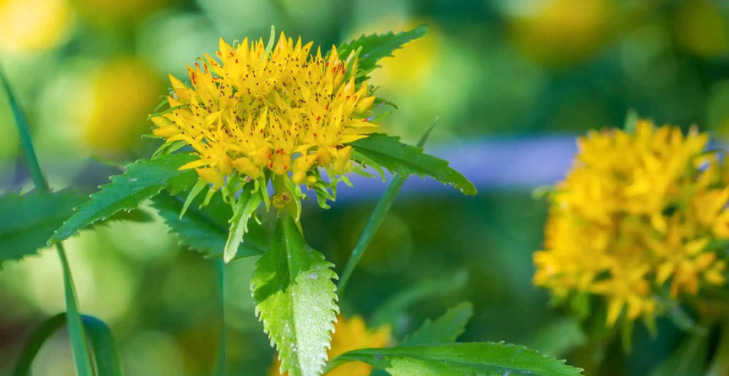
Daily Rhodiola Rosea intake varies by extract strength, individual needs, dosage, and overall health considerations.
What Is Rhodiola Rosea?
Rhodiola rosea is a plant species in the Crassulaceae family, native to cold climates across Europe, Asia, and parts of North America. Its roots and rhizomes contain numerous bioactive compounds, forming the basis for traditional applications and modern research.
Botanical Background
Rhodiola rosea is often called golden root or roseroot. The plant adapts to high-altitude environments, nutrient-poor soil, and extreme temperature conditions. Its vigorous root system is a major component used in supplement preparations.
Key Active Compounds
Characteristic compounds include rosavins, salidroside, and tyrosol. Rosavins are a prominent feature in Rhodiola rosea, while salidroside contributes to its active compound profile, which is of interest in research on stress adaptation.
How Much Rhodiola Rosea Per Day Is Recommended?
The daily dose of Rhodiola rosea depends on the formulation, the active ingredient content, and the intended use. Human studies typically use controlled doses over a defined period.
Common Daily Dosage
Common supplemental doses range from 200–600 mg of Rhodiola rosea extract per day, depending on the product and degree of standardization. Users should start with the lowest dose within the label's recommended range and then assess their tolerance.
Standardized Extracts
Standardized extracts provide specific information on rosavin and salidroside content, making dose determination clearer. The milligram content of the entire extract should therefore be considered along with the standardization information when selecting a product.
Individual Considerations
Age, sensitivity to the product, health condition, and intended use all influence the appropriate dosage.
What Factors Affect Rhodiola Rosea Dosage?
The appropriate dosage of Rhodiola rosea depends on several factors related to product characteristics and individual characteristics. Considering these factors simultaneously helps in choosing a more reasonable dosage.
Extract Strength and Standardization
Extract concentration directly affects the amount of active ingredient in each serving. Standardized products usually specify the ratio of rosavins and salidroside, allowing users to assess the active ingredient content rather than relying solely on the total number of milligrams.
Individual Characteristics
Age, weight, sensitivity level, and health status can affect the tolerance of Rhodiola rosea. Sensitive individuals often require a cautious approach to dosage and monitoring of their body's reaction.
Intended Use
The intended use also helps determine the dosage. The need to support stress adaptation, physical endurance, or alertness may involve different uses and dosage levels.
Rhodiola Rosea Dosage by Supplement Form
The form of the product determines how to convert the Rhodiola rosea dosage and the amount of active ingredient provided per serving. Users should simultaneously check the product weight, extract ratio, and standardization information on the label.
Capsules and Tablets
Capsules and tablets usually clearly state the amount of extract per serving, making it easier for users to determine the total daily dose. Some products also state the rosavins and salidroside content to describe the level of standardization.
Powders and Liquid Extracts
Powdered root extracts are measured by weight according to the manufacturer's specifications, while liquid extracts are usually measured by volume, such as drops or milliliters. The extract concentration determines the actual amount of Rhodiola rosea in each serving.
Teas and Whole-Root Products
Teas and whole-root preparations have varying amounts of active ingredients depending on the amount of raw materials, brewing method, and extraction time. Adhering to the portion size indicated on the label helps maintain consistent usage levels.
When Is the Best Time to Take Rhodiola Rosea?
The timing of Rhodiola rosea use can affect your daily experience, especially for those sensitive to its stimulating effects. Choosing the right time helps maintain a consistent schedule and supports tolerability.
Morning and Daytime Use
Morning is often suitable for Rhodiola rosea as users can take advantage of extended periods of activity throughout the day. Some people split their dose into morning and early afternoon to maintain a consistent usage level.
Sensitivity and Sleep
Rhodiola rosea can cause alertness in some people. Those sensitive to this effect should prioritize taking it early in the day, while maintaining sufficient spacing from bedtime to support sleep quality.
Taking With Food
Users can take Rhodiola rosea with meals or as directed on the product label. A consistent schedule makes it easier to monitor tolerance and body response.
Can You Take Rhodiola Rosea Every Day?
Rhodiola rosea may be suitable for daily use in some cases, especially when users choose an appropriate dose and monitor their tolerance. The duration of supplementation should be based on product characteristics and individual goals.
Daily Supplementation
Some studies use Rhodiola rosea daily for limited periods. Users should adhere to the label's recommended serving size, monitor changes in sleep, digestion, and alertness, and adjust the plan if any unusual reactions occur.
Short-Term and Long-Term Use
Data on long-term use of Rhodiola rosea is limited. Existing studies focus heavily on short- to medium-term use, so users should periodically assess benefits, tolerance, and the need for continued supplementation.
Regular Health Evaluation
Long-term users should consult a healthcare professional, especially if they are taking medication or have a health condition that requires monitoring.
What Happens If You Take Too Much Rhodiola Rosea?
Excessive amounts of Rhodiola rosea may increase the risk of adverse reactions, especially in individuals sensitive to herbs. The severity of the reaction depends on the dose, extract concentration, and individual physiology.
Common Side Effects
High doses may cause digestive upset, headache, dizziness, or dry mouth. Some people may also experience restlessness, irritability, or changes in sleep quality, especially when taken close to bedtime.
Dose and Tolerance
The concentration of the extract and the content of active ingredients such as rosavins and salidroside affect the total amount of active ingredients absorbed by the body. Rapidly increasing the dose may make adverse reactions more apparent.
When to Seek Medical Advice
Prolonged, severe, or significantly impactful symptoms require medical evaluation. Users should discontinue use and seek professional advice if any noticeable or unusual reaction occurs.
Who Should Avoid or Limit Rhodiola Rosea?
Rhodiola rosea may be suitable for many healthy adults, while some groups require more careful evaluation before use. Health conditions, medications being taken, and physiological stages all affect the safety of supplementation.
Medications and Health Conditions
Individuals taking prescription medications, especially those affecting the nervous system or mood, should consult a healthcare professional before using Rhodiola rosea. Individuals with chronic illnesses or health conditions that require regular monitoring should also be evaluated for potential interactions and tolerance.
Pregnancy and Breastfeeding
Pregnant or breastfeeding women should consult their doctor before use. Safety data on pregnancy and breastfeeding are limited, so decisions about supplementation should be based on professional evaluation.
Before Surgery
Individuals preparing for surgery should inform their medical team about their use of Rhodiola rosea. Experts can provide guidance on when to adjust or temporarily suspend the product based on the specific situation.
How to Use Rhodiola Rosea Safely
Safely using Rhodiola rosea requires attention to product quality, daily intake, and body reactions. A consistent usage regimen helps control the amount of supplement and supports the assessment of effectiveness over time.
Choose Quality Supplements
Prioritize products from reputable manufacturers with transparent labeling regarding extract content, active ingredients, and standardization levels. Information on rosavins and salidroside helps users more accurately assess the extract's properties.
Follow the Recommended Dose
Adhere to the manufacturer's recommended dosage and maintain consistent use. New users may start at a low level within the recommended range to monitor their body's tolerance.
Review Medications and Products
Review all medications, supplements, and herbal products you are currently using to reduce the risk of interactions. Consulting with healthcare professionals helps in choosing the option that best suits your individual health condition.
Conclusion
Rhodiola rosea is a popular supplement due to its active compounds, including rosavins and salidroside. The daily dosage should be based on the formulation, level of standardization, and individual tolerance.
The timing of use, frequency of supplementation, and health status also help determine appropriate use. Choosing a product with clear labeling, following the label instructions, and consulting with a healthcare professional will help build a safe, well-founded, and personalized supplementation plan.
Frequently Asked Questions (FAQs)
- How Much Rhodiola Rosea Can You Take Per Day? – The typical dose of Rhodiola rosea ranges from 200–600 mg of extract per day, depending on the product's concentration and standardization. Users should follow label instructions and consider their health condition, intended use, and individual tolerance.
- Can You Take Rhodiola Rosea Every Day? – Rhodiola rosea can be used daily in some cases when an appropriate dose and timing are followed. Users should monitor sleep, digestion, and alertness and periodically assess the need for continued supplementation.
- What Is the Best Time to Take Rhodiola Rosea? – Morning or early afternoon is usually suitable for Rhodiola rosea, especially for people who are sensitive to its effects on alertness. Maintaining a consistent time of use can make it easier to monitor the body's response and minimize effects on sleep.
- Can Rhodiola Rosea Cause Side Effects? – Rhodiola rosea may cause headaches, dizziness, digestive discomfort, dry mouth, or restlessness in some people. Higher doses and individual sensitivity may make these reactions more pronounced, so tolerance should be monitored.
- Who Should Avoid Rhodiola Rosea? – Pregnant women, breastfeeding mothers, people preparing for surgery, those taking prescription medications, or individuals with health conditions requiring monitoring should consult a healthcare professional before using Rhodiola rosea to assess its suitability and potential interactions.
