
What gives some types of extra virgin olive oil their distinctly bitter, spicy taste and exceptional nutritional value? The polyphenol content is a key factor contributing to these characteristics, as it provides numerous bioactive plant compounds.
Polyphenols such as hydroxytyrosol, oleuropein, and oleocanthal help control oxidative stress, support cardiovascular health, and regulate inflammatory processes. Proper selection, storage, and use of olive oil help to effectively utilize these valuable compounds in your daily diet.
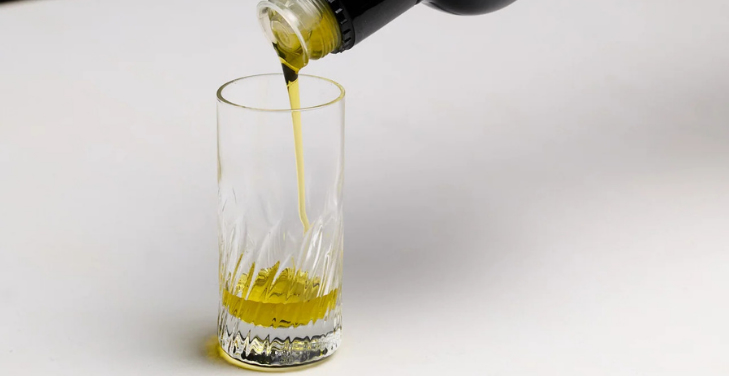
High-polyphenol extra virgin olive oil provides powerful plant compounds that support overall health.
What Is Extra Virgin Olive Oil With High Polyphenols?
Extra virgin olive oil (EVOO) is rich in polyphenols, providing a high content of natural plant compounds that contribute to the oil's outstanding nutritional value and sensory characteristics. The polyphenol content depends on the olive variety, harvest time, growing conditions, and production process.
Definition of Extra Virgin Olive Oil
Extra virgin olive oil is obtained directly from olive fruit using mechanical methods and meets strict chemical and sensory standards. The oil retains many of the natural active compounds from the olive fruit.
What Makes Olive Oil High in Polyphenols?
Oils with a high polyphenol content contain high levels of oleuropein, hydroxytyrosol, oleocanthal, and other phenolic compounds. Olives harvested relatively early often produce oils with significant polyphenol content, along with a characteristic bitterness and spicy sensation.
Why Polyphenol Concentration Matters
Polyphenols act as antioxidants, supporting cells' ability to protect themselves against oxidative stress. The polyphenol content also helps maintain the stability and quality of oils during storage.
Key Polyphenols Found in Extra Virgin Olive Oil
Extra virgin olive oil is rich in polyphenols, containing many bioactive phenolic compounds that contribute to the oil's nutritional value, flavor, and stability. Each polyphenol plays a specific biological role in the body.
Oleocanthal, Oleuropein, and Hydroxytyrosol
Oleocanthal produces the characteristic spicy sensation in the throat and participates in inflammatory response mechanisms. Oleuropein helps protect olive trees from oxidative stress, while hydroxytyrosol exhibits strong antioxidant activity, helping protect cellular structures.
Antioxidant and Anti-Inflammatory Properties
Polyphenols help the body manage oxidative stress by neutralizing reactive molecules. Oleocanthal also affects biological pathways involved in inflammation, adding value to a diet rich in plant-based foods.
Polyphenols and Olive Oil Quality
The polyphenol content helps maintain the oxidative stability of olive oil while also contributing to its characteristic bitterness, spiciness, and aftertaste. Like olives, the harvesting time, climate, and processing methods all significantly affect the final phenolic composition.
Health Benefits of High-Polyphenol Olive Oil
Extra virgin olive oil is rich in polyphenols, providing bioactive plant compounds that support numerous protective and regulatory processes in the body. This effect is consistent with a diet rich in plant-based foods and monounsaturated fats.
Cardiovascular Health
Polyphenols in olive oil help protect LDL cholesterol from oxidation and support endothelial function and vascular health. A diet that regularly includes EVOO also provides oleic acid, a monounsaturated fat valuable for cardiovascular health.
Oxidative Stress and Cellular Protection
Hydroxytyrosol, oleuropein, and other phenolic compounds exhibit antioxidant activity, helping the body control reactive oxidative molecules. This mechanism supports the maintenance of normal cell structure and function.
Metabolic and Inflammatory Benefits
Polyphenols may support the regulation of glucose and lipid metabolism, as well as the biological pathways involved in inflammatory responses. The overall effect depends on the amount consumed, oil quality, and individual dietary habits.
High Polyphenols and Heart Health
Extra virgin olive oil is rich in polyphenols, including oleocanthal, hydroxytyrosol, and many other phenolic compounds that are valuable for cardiovascular health. When incorporated into a balanced diet, these compounds support various mechanisms related to cholesterol, blood vessels, and oxidative stress.
Healthy Cholesterol Levels
Polyphenols help protect LDL cholesterol from oxidation, while oleic acid in extra virgin olive oil supports the maintenance of a healthy lipid profile. Regularly incorporating olive oil into your diet helps build a heart-healthy fat profile.
Blood Vessel Function
Phenolic compounds support endothelial function, the ability to regulate vascular tone, and blood circulation. Their antioxidant activity also helps control the impact of oxidative molecules on vessel walls.
Heart-Healthy Dietary Pattern
EVOO, rich in polyphenols, is particularly beneficial in a Mediterranean-style diet, along with vegetables, legumes, whole grains, fish, and nuts. This combination provides monounsaturated fats and many heart-healthy plant compounds.
Antioxidant and Anti-Inflammatory Effects
Extra virgin olive oil is rich in polyphenols and participates in numerous cellular protective mechanisms, particularly by controlling oxidative stress and regulating inflammatory signaling. These bioactive properties contribute to the outstanding health benefits of high-quality olive oil.
Oxidative Stress
Hydroxytyrosol and other phenolic compounds help neutralize reactive oxidative molecules, thereby supporting the maintenance of lipid, protein, and cell membrane structures. The antioxidant capacity of polyphenols also helps protect the oil from oxidation during storage.
Oleocanthal and Inflammatory Pathways
Oleocanthal interacts with cyclooxygenase enzymes, which are involved in the formation of inflammatory mediators. This activity provides the biological basis for EVOO's role in regulating dietary inflammatory responses.
Cellular Protection
Polyphenols support the body's natural antioxidant defense system, helping maintain normal cell function. A diet rich in phenolic compounds also provides the body with an additional source of plant-based antioxidants.
How to Identify High-Polyphenol Extra Virgin Olive Oil
Choosing extra-virgin olive oil rich in polyphenols requires information about phenolic content, freshness, and testing standards. These details help to assess oil quality more accurately.
Polyphenol Information on Labels
Some producers publish the total polyphenol content in mg/kg on labels or certificates of analysis. The more specific the polyphenol level, the easier it is for buyers to identify the product's characteristics and track quality across batches.
Harvest Date and Freshness
The harvest date provides direct information about the oil's freshness. Olive oil retains more phenolic compounds when properly stored, so prioritize products with a clear harvest date and a reasonable time between harvest and use.
Third-Party Testing and Certifications
Independent testing results can confirm polyphenol content and other important quality indicators. Certifications from reputable organizations, information about origin, and transparent analytical data help consumers evaluate products more reliably.
High-Polyphenol Olive Oil vs. Regular Olive Oil
Extra virgin olive oil is rich in polyphenols, notably phenolic compounds, which contribute to its bitter, spicy flavor and remarkable antioxidant properties. The nutritional value of each oil depends on the olive variety, harvest time, extraction process, and storage conditions.
Polyphenol Concentration
Polyphenol-rich oils provide significant amounts of oleuropein, hydroxytyrosol, oleocanthal, and other phenolic compounds. This content contributes to the oil's oxidative stability and enhances the source of plant compounds in the diet.
Flavor, Bitterness, and Pungency
Polyphenols create a natural bitterness on the tongue along with a mild or pronounced spiciness in the throat. Stronger flavors are often found in extra virgin olive oil with prominent phenolic properties, providing a rich sensory experience.
Processing and Storage
Mechanical pressing, processing temperature, and exposure to oxygen and light all affect the final polyphenol content. Airtight, dark packaging and a cool environment help maintain oil quality throughout its shelf life.
Best Ways to Use High-Polyphenol Olive Oil
Extra virgin olive oil, rich in polyphenols, maximizes its nutritional value when regularly included in everyday meals. Proper use helps preserve its distinctive flavor and utilize its natural phenolic compounds.
Salad Dressings and Dips
Using the oil in salad dressings or mixing it with vinegar, lemon, and herbs helps retain the fresh aroma and phenolic compounds. The oil also provides a light, creamy base for dips served with bread and vegetables.
Vegetables and Grains
Dripping roasted or steamed vegetables, beans, potatoes, or whole grains after cooking helps add oleic acid and polyphenols to your diet. A moderate amount also enhances flavor and improves the absorption of fat-soluble compounds from food.
Cooking and Heat Exposure
EVOO is suitable for many cooking methods at moderate temperatures, such as pan-frying, stir-frying, and grilling. Prolonged high temperatures promote oxidation, so controlling the temperature and cooking time helps maintain oil quality.
How to Store Olive Oil to Preserve Polyphenols
Storage methods directly affect the stability of polyphenols and the sensory quality of extra virgin olive oil. The right environment helps the oil maintain its flavor, nutritional value, and antioxidant properties for longer.
Protection From Light, Heat, and Oxygen
Light, high temperatures, and oxygen promote oxidation, degrading phenolic compounds over time. Storing oil in a cool, dry place away from direct sunlight helps maintain better quality.
Choosing Appropriate Containers
Dark glass bottles or specialized containers help limit light exposure to the oil. Bottle caps should be tightly sealed after each use to reduce oxygen ingress and protect sensitive compounds.
Signs of Lost Freshness
Oil that has lost its freshness often exhibits rancid odors, waxy smells, or a less vibrant flavor profile. The characteristic herbal aroma, fruity notes, and spiciness serve as useful sensory indicators for assessing oil quality.
What to Consider Before Buying
When choosing extra-virgin olive oil rich in polyphenols, consumers should consider polyphenol content, freshness, origin, and testing standards. These factors help to comprehensively assess the nutritional value and quality of the product.
Price and Quality
Price often reflects part of the cost of harvesting, production, testing, and storage. Products that clearly state polyphenol content along with analytical information help buyers assess the true value of the bottle of oil.
Origin and Harvest Information
Olive origin, variety, growing region, and harvest date provide important data about the oil's characteristics. A harvest date close to the purchase date also helps in choosing a product with good freshness.
Reputable Producers and Testing Standards
Reputable producers usually provide transparent information about their processes, raw materials, and quality standards. Independent testing results help confirm polyphenol content, purity, and related chemical parameters.
Conclusion
Extra virgin olive oil is rich in polyphenols, including oleocanthal, hydroxytyrosol, and many other bioactive phenolic compounds that support cardiovascular health, oxidative stress management, and regulation of the inflammatory response.
Choosing oils with clearly stated harvest dates, tested polyphenol content, and transparent origins enhances their value. Storing them in airtight containers, away from light, heat, and oxygen, helps maintain freshness and preserves the phenolic compounds. Regularly using the oil in salads, vegetables, grains, and dishes cooked at moderate temperatures creates a versatile way to incorporate it into your diet.
Frequently Asked Questions (FAQs)
- What Is High-Polyphenol Olive Oil? – Extra-virgin olive oil can be rich in polyphenols such as hydroxytyrosol, oleuropein, and oleocanthal. These compounds contribute to bitter and pungent flavors and support antioxidant mechanisms and cellular health.
- How Do Polyphenols Benefit Health? – Polyphenols help the body manage oxidative stress and regulate inflammatory processes. Hydroxytyrosol and other phenolic compounds also help protect lipids, cells, and blood vessels from oxidative damage.
- How Can You Identify High-Polyphenol Olive Oil? – Look for products that disclose polyphenol content, harvest date, olive origin, and independent testing results. Dark packaging, traceability information, and transparent quality standards can also help assess product quality.
- Is High-Polyphenol Olive Oil Good for the Heart? – High-polyphenol olive oil provides oleic acid and phenolic compounds that support cardiovascular health. These compounds can help protect LDL cholesterol from oxidation and support endothelial function as part of a healthy diet.
- How Should High-Polyphenol Olive Oil Be Stored? – Store olive oil in an airtight container in a cool, dry place away from direct sunlight. Closing the container promptly after use limits oxygen exposure and helps preserve polyphenols and flavor.
